What does John 6:18 mean?
“And the sea arose by reason of a great wind that blew.” — John 6:18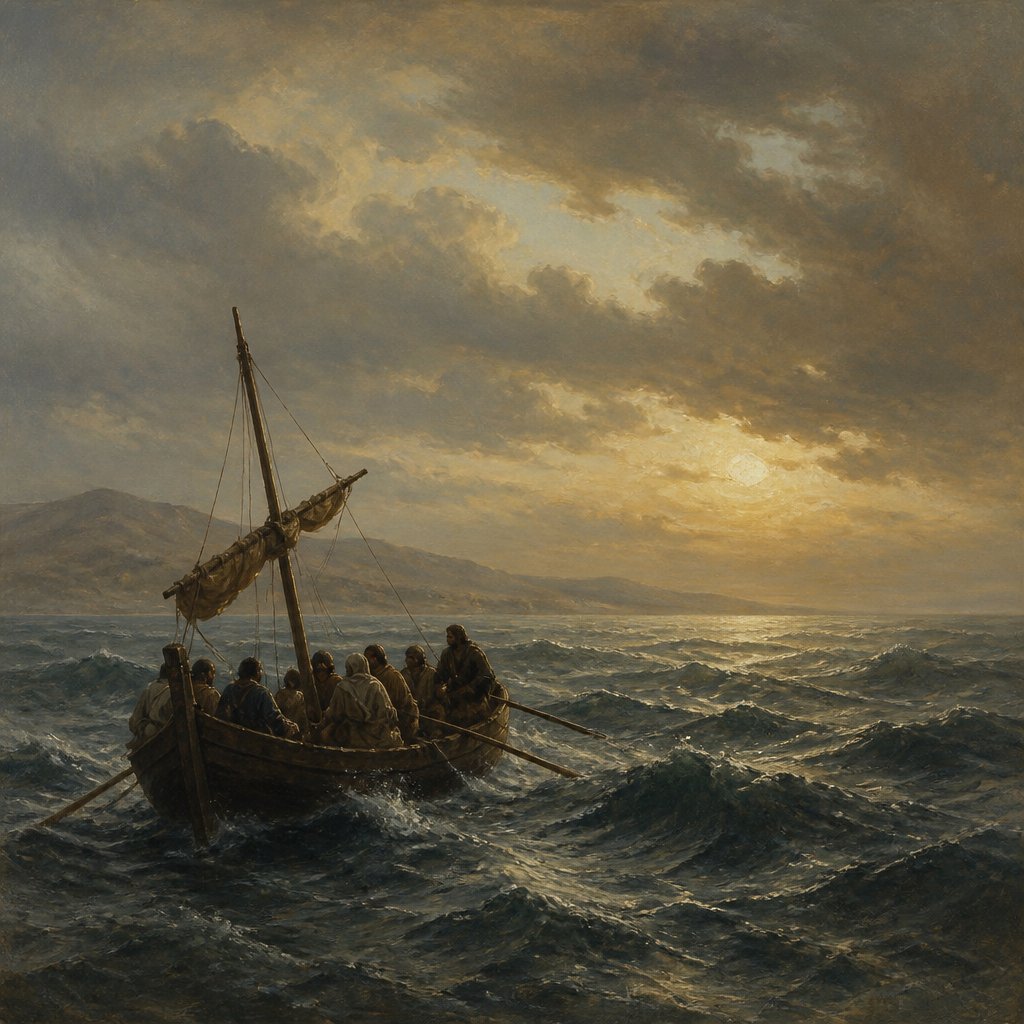
John 6:18 (KJV) reads, "And the sea arose by reason of a great wind that blew." This verse comes from the Gospel of John, which is the fourth book in the New Testament of the Christian Bible. In this passage, Jesus performs one of his most well-known miracles, walking on water. The verse describes the conditions in which this miracle takes place, providing an important context for the event.
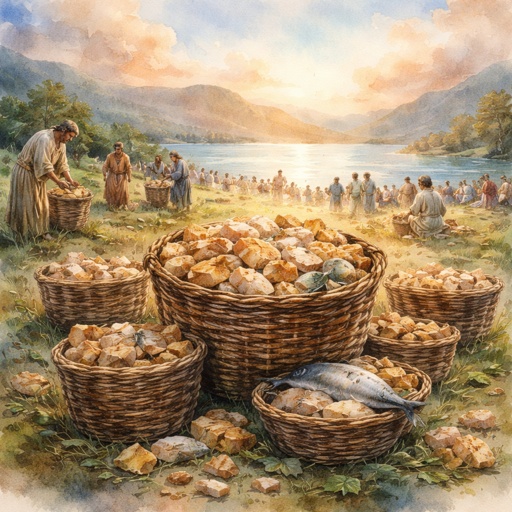
The story of Jesus walking on water is found in all three of the Synoptic Gospels – Matthew, Mark, and Luke – as well as in the Gospel of John. The accounts vary slightly in their details, but all of them emphasize the miraculous power of Jesus over the natural elements. In the Gospel of John, the event follows the feeding of the five thousand, which is significant because it demonstrates Jesus' compassion for those in need and his ability to provide abundantly for his followers.
The specific details in John 6:18 provide a vivid picture of the terrifying situation the disciples found themselves in. The phrase "the sea arose" indicates that the water was turbulent and stormy, while "by reason of a great wind that blew" emphasizes the force of the wind causing the disturbance. This sets the stage for the miraculous nature of Jesus' actions, as he walks across the stormy sea as if it were solid ground.
Furthermore, the phrase "arose by reason of a great wind" can be seen as symbolic of the storms and trials that we face in our own lives. The sea, often used as a metaphor for chaos and danger, represents the tumultuous and unpredictable nature of life. The "great wind" can be seen as representing the challenges and obstacles that rise up against us, threatening to overwhelm and consume us.
In the broader context of the Gospel of John, this verse also serves to highlight the dual nature of Jesus as both fully human and fully divine. By walking on water in the midst of a storm, Jesus demonstrates his authority over the natural world, revealing himself as the Son of God with power over creation. This event serves as a sign to the disciples and the readers of the Gospel that Jesus is not just a teacher or prophet, but the very embodiment of God's power and authority.
The theme of faith is also prevalent in this passage. The disciples were undoubtedly afraid and uncertain in the face of the storm, yet Jesus' ability to walk on water demonstrated the need for faith in him, as well as the power of faith to overcome seemingly insurmountable challenges. This theme is reiterated throughout the Gospels, emphasizing the importance of trust and belief in Jesus as the Son of God and the savior of the world.
In conclusion, John 6:18 provides important context for the miraculous event of Jesus walking on water, emphasizing the stormy and chaotic conditions in which this miracle takes place. The verse serves as a reminder of Jesus' power and authority over the natural world, as well as the importance of faith and trust in him, especially in the face of life's storms and challenges. The symbolism and themes present in this passage make it a powerful and meaningful testament to the divinity of Jesus and the call to trust in him, even in the most turbulent of circumstances.
Get our apps


Artwork for John 6:18

John 6:18 - "And the sea arose by reason of a great wind that blew."
"And the sea arose by reason of a great wind that blew." - John 6:18

Mark 6:18 - "For John had said unto Herod, It is not lawful for thee to have thy brother's wife."

John 18:6 - "As soon then as he had said unto them, I am he, they went backward, and fell to the ground."
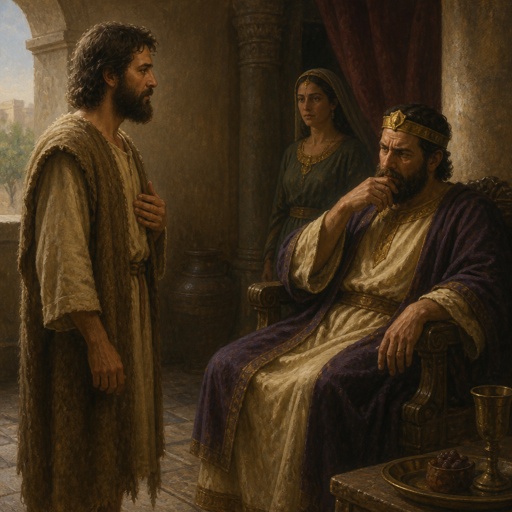
"For John had said unto Herod, It is not lawful for thee to have thy brother's wife." - Mark 6:18

John 7:17-18

John 7:17-18
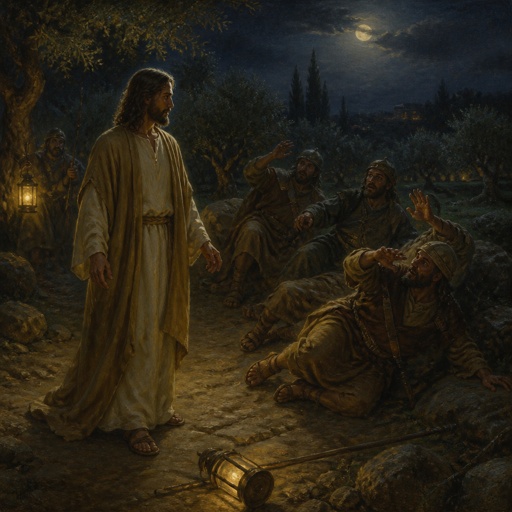
"As soon then as he had said unto them, I am he, they went backward, and fell to the ground." - John 18:6

John 7:17-18

John 7:17-18

John 18:25

john 18:36

John 1:6 - "¶ There was a man sent from God, whose name was John."

John 6:63

John 6:63

John 6:63

John 6:63

1 John 5:18

1 John 4:18

1 John 4:18
John 6:12

John 6:40

John 21:6

John 14:6

John 18:27 - "Peter then denied again: and immediately the cock crew."

John 6:16

John 21:6

John 6:37

John 21:6

John 21:6