What does John 6:2 mean?
“And a great multitude followed him, because they saw his miracles which he did on them that were diseased.” — John 6:2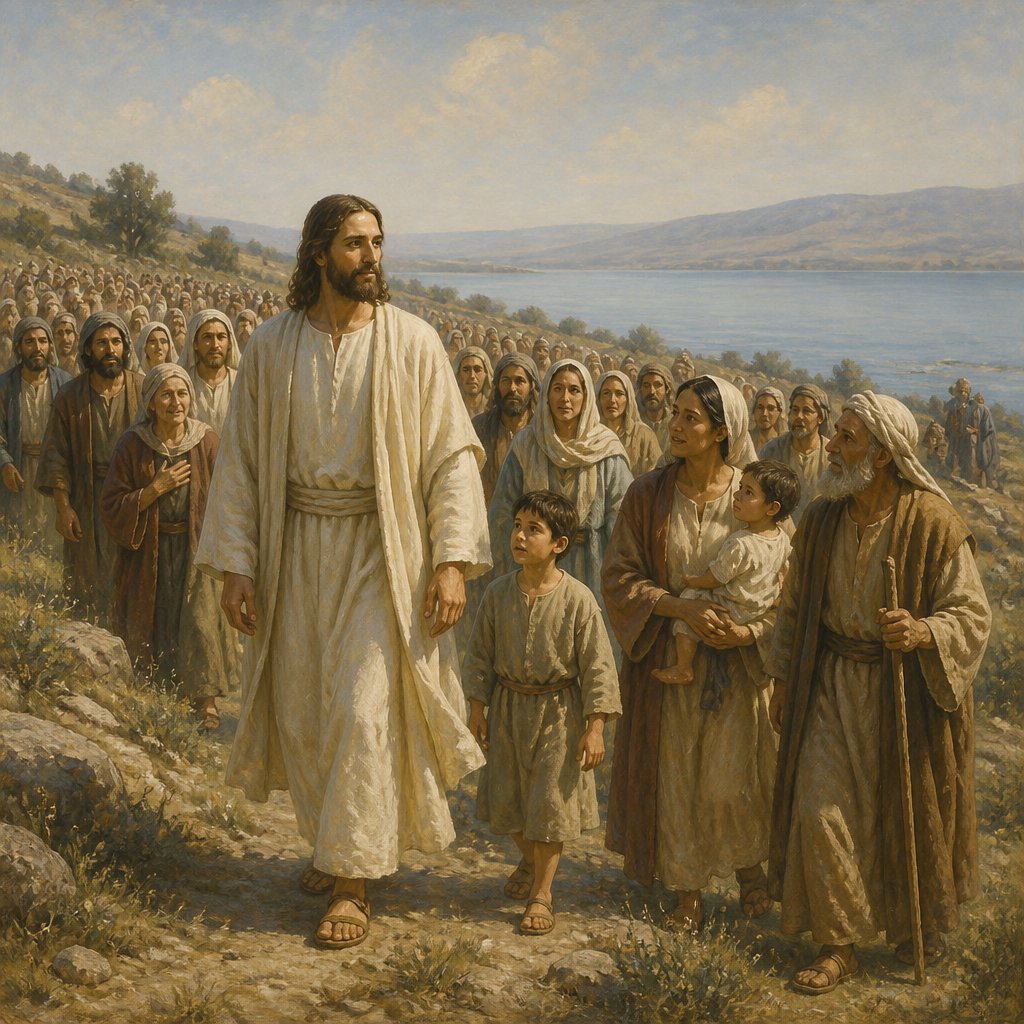
John 6:2 (KJV) reads: "And a great multitude followed him, because they saw his miracles which he did on them that were diseased."
In this verse, we see Jesus being followed by a great multitude of people. This multitude had witnessed the miracles that Jesus performed on those who were diseased, and they were drawn to him because of it. This verse sets the stage for the events that follow in John 6, where Jesus performs the miracle of feeding the 5000 and delivers his discourse on the Bread of Life.
The context of this verse is important to understand its full meaning. At this point in the gospel of John, Jesus had been performing various miracles and signs, which had attracted large crowds of people. These people were drawn to Jesus not only because of the miracles he performed but also because of his teachings and the hope he offered for a better future. In this particular instance, the people had seen Jesus heal those who were diseased, and this had captured their attention and led them to follow him.
One of the key themes in this verse is the idea of Jesus as a healer and miracle-worker. The miracles that Jesus performed were not merely displays of power; they were signs pointing to his identity as the Son of God. The fact that the people followed Jesus because they had seen his miracles indicates their recognition of his divine authority and the realization that he was someone special.
Another important theme in this verse is the concept of faith. The people who followed Jesus had faith in his ability to perform miracles and heal the sick. Their faith in Jesus as a miracle-worker led them to follow him and seek his presence and teachings. This faith in Jesus would later be challenged as Jesus performed the miracle of feeding the 5000, and the people struggled to understand the true nature of his identity and mission. However, at this point, their faith in Jesus was strong, and they were eager to be in his presence.
Symbolism plays a significant role in this verse as well. The miracles that Jesus performed were not only physical acts of healing; they also carried a deeper spiritual significance. The healing of the diseased symbolizes the spiritual healing and restoration that Jesus came to offer to all who would come to him in faith. The miracles pointed to the power of Christ to heal not only physical ailments but also to restore the brokenness of humanity and bring about reconciliation with God.
Overall, John 6:2 serves as a prelude to the miraculous feeding of the 5000 and the subsequent discourse on the Bread of Life. It highlights the themes of Jesus as a healer and miracle-worker, the importance of faith in following him, and the symbolic nature of his miracles. This verse sets the stage for the events that follow and invites readers to consider the identity and mission of Jesus in light of the signs and wonders that he performed. It is a reminder of the power and authority of Christ and an invitation to place our faith in him as the one who can bring healing and restoration to our lives.
Get our apps


Artwork for John 6:2

John 6:2 - "And a great multitude followed him, because they saw his miracles which he did on them that were diseased."
"And a great multitude followed him, because they saw his miracles which he did on them that were diseased." - John 6:2

2 John 1:6 – "And this is love: that we walk in obedience to his commands."

2 John 1:6 – "And this is love: that we walk in obedience to his commands."

1 John 2:6 - "He that saith he abideth in him ought himself also so to walk, even as he walked."

John 2:6 - "And there were set there six waterpots of stone, after the manner of the purifying of the Jews, containing two or three firkins apiece."

2 John 1:6 - "And this is love, that we walk after his commandments. This is the commandment, That, as ye have heard from the beginning, ye should walk in it."

John 1:6 - "¶ There was a man sent from God, whose name was John."

John 6:63

John 6:63

John 6:63

John 6:63
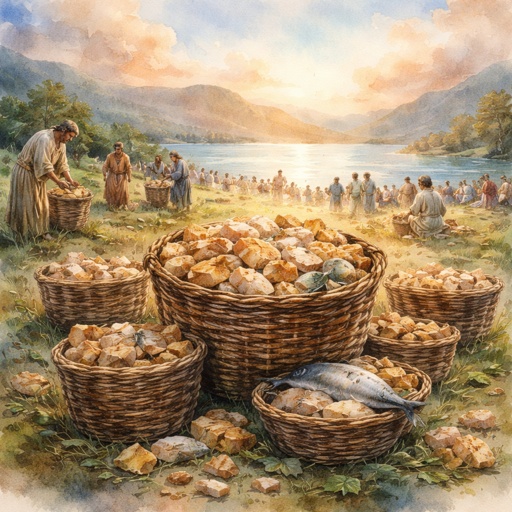
John 6:12

John 6:40

John 21:6

John 14:6

John 21:6

John 6:16

John 6:37

John 21:6

John 6:40

John 21:6

John 6:8-9

JOHN 6:11-13

John 6:6 - "And this he said to prove him: for he himself knew what he would do."

John 4:6-7

John 6:48 - "I am that bread of life."

John 6:4 - "And the passover, a feast of the Jews, was nigh."

"¶ There was a man sent from God, whose name was John." - John 1:6

John 6:18 - "And the sea arose by reason of a great wind that blew."