What does John 6:30 mean?
“They said therefore unto him, What sign shewest thou then, that we may see, and believe thee? what dost thou work?” — John 6:30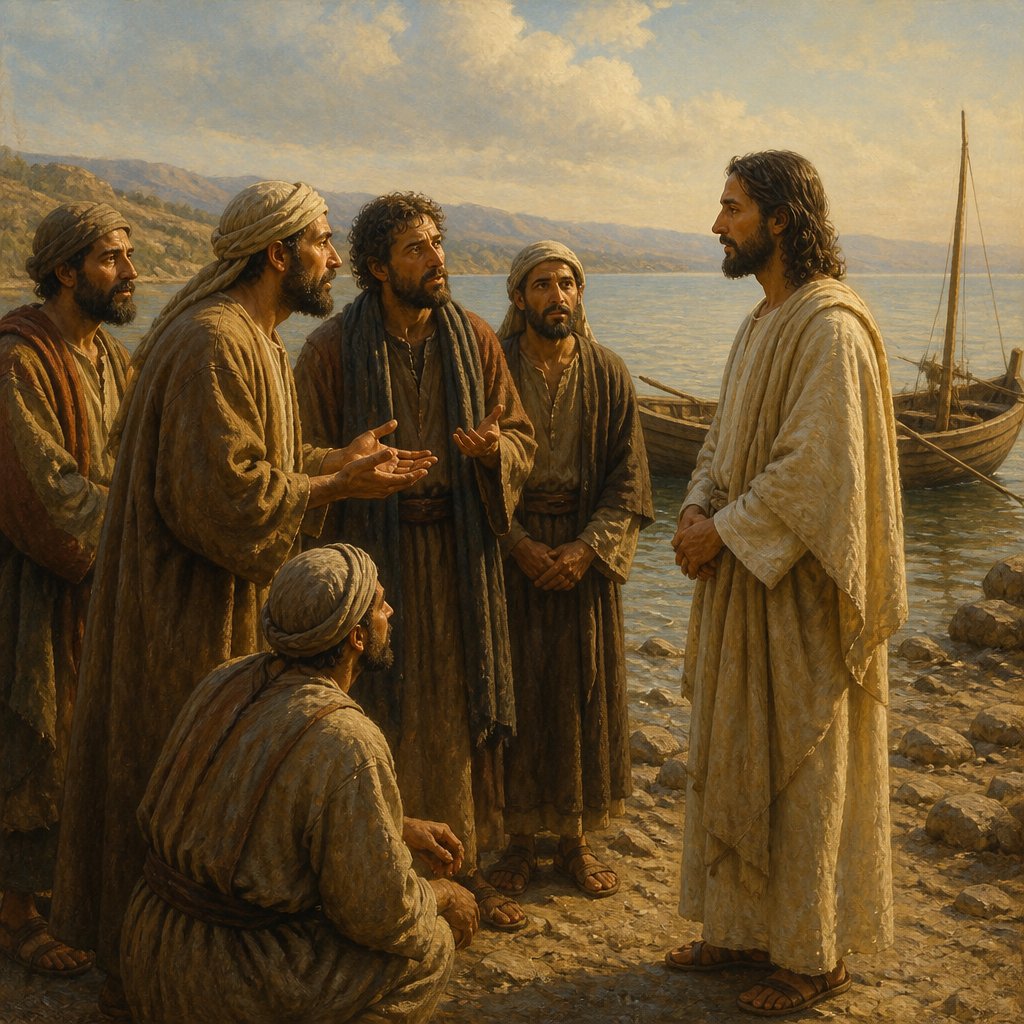
The verse John 6:30 from the King James Version (KJV) of the Bible reads, "They said therefore unto him, What sign shewest thou then, that we may see, and believe thee? what dost thou work?" This particular verse is part of a larger passage in the book of John, which details Jesus' miraculous feeding of the five thousand and the events that followed.
In order to fully understand the meaning and significance of this verse, it is important to first consider the context in which it is situated. In the preceding verses, we learn about the feeding of the five thousand, a significant miracle performed by Jesus. Following this miraculous event, the people who witnessed it were filled with amazement and wonder. In verse 14, the people even declare that Jesus is "that prophet that should come into the world," referencing the prophecy from Deuteronomy 18:15 about a prophet like Moses who would come. Seeing the opportunity to capitalize on their amazement, the people seek further signs from Jesus to validate his identity and authority.
The request for a sign in John 6:30 reveals the people's desire for further evidence of Jesus' divinity. They had witnessed the miracle of the loaves and fishes, but they were still uncertain about who Jesus truly was and what he had come to do. They were looking for more tangible proof that Jesus was the Messiah they had been waiting for. This mindset of seeking signs and wonders as a means of validating one's faith and belief is a recurring theme throughout the Gospels, and it reflects the tendency of humanity to desire certainty and proof in matters of faith.
In response to the people's request for a sign, Jesus challenges their motivations and understanding of faith. He points out that it was not Moses who provided the bread in the wilderness, but God himself. Jesus is urging the people to shift their focus from seeking earthly signs and miracles to recognizing and believing in the true source of nourishment and life, which is God.
This verse, therefore, serves as a reminder of the tension between faith and the desire for tangible evidence. It calls into question the nature of authentic belief and the role of signs and miracles in fostering genuine faith. Jesus challenges the people to look beyond their immediate physical needs and to recognize the spiritual truth he embodies. This theme of spiritual discernment and the importance of genuine faith is one that is woven throughout the Gospel of John and continues to be relevant in the lives of believers today.
Symbolically, the request for a sign in John 6:30 can also be seen as a reflection of the broader human quest for certainty and assurance in matters of faith. The desire for a sign points to the longing for tangible evidence and the need to validate one's beliefs. It speaks to the human desire for proof and confirmation, which can often overshadow the deeper spiritual truths that lie at the heart of faith.
In conclusion, John 6:30 from the KJV of the Bible is a verse that offers profound insights into the nature of faith, the quest for certainty, and the challenge of discerning spiritual truth. It reminds believers to look beyond worldly signs and to seek a deeper, more authentic understanding of God's presence and power. As Jesus invites the people to shift their focus from seeking signs to recognizing the true source of nourishment in God, this verse continues to offer valuable lessons for believers in navigating their own faith journeys.
Get our apps


Artwork for John 6:30
John 6:30 - "They said therefore unto him, What sign shewest thou then, that we may see, and believe thee? what dost thou work?"
‘What sign will you show us that we should believe in you?’ (Jn 6:30)
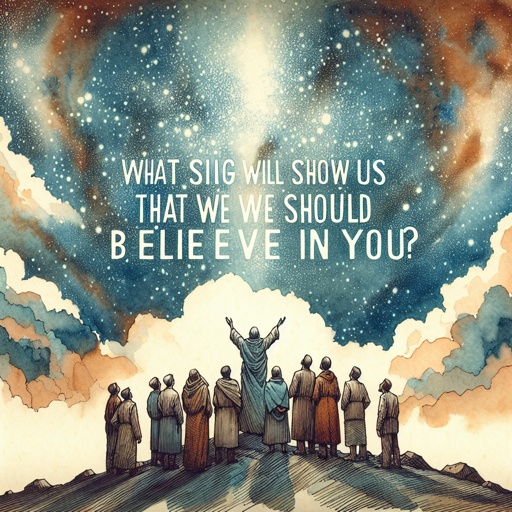
They said to him, ‘What sign will you show us that we should believe in you?’ (Jn 6:30)
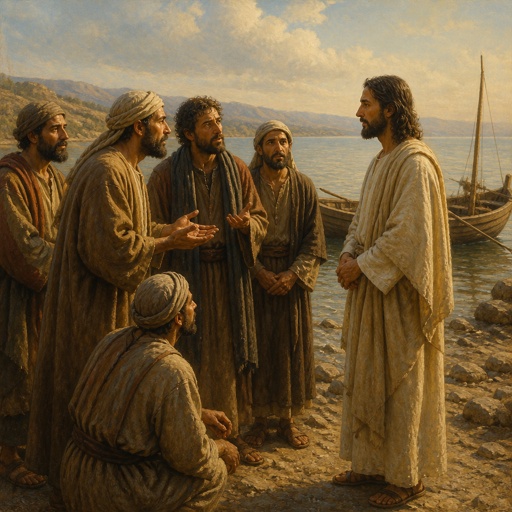
"They said therefore unto him, What sign shewest thou then, that we may see, and believe thee? what dost thou work?" - John 6:30

John 14:30

John 10:30

John 10:30

John 3:30

John 20:30-31

John 10:30 - "I and my Father are one."

John 4:30 - "Then they went out of the city, and came unto him."

John 3:30 - "He must increase, but I must decrease."

John 8:30 - "As he spake these words, many believed on him."

Mark 11:30 - "The baptism of John, was it from heaven, or of men? answer me."

Matthew 6:30

John 13:30 - "He then having received the sop went immediately out: and it was night."

luke 6:30

"I and my Father are one." - John 10:30

John 12:30 - "Jesus answered and said, This voice came not because of me, but for your sakes."

John 11:30 - "Now Jesus was not yet come into the town, but was in that place where Martha met him."

"I and my Father are one." - John 10:30
John 1:6 - "¶ There was a man sent from God, whose name was John."

John 6:63

John 6:63

John 14:30 - "Hereafter I will not talk much with you: for the prince of this world cometh, and hath nothing in me."

John 6:63

John 6:63

John 20:30 - "¶ And many other signs truly did Jesus in the presence of his disciples, which are not written in this book:"

John 7:30 - "Then they sought to take him: but no man laid hands on him, because his hour was not yet come."

Job 30:6 - "To dwell in the clifts of the valleys, in caves of the earth, and in the rocks."