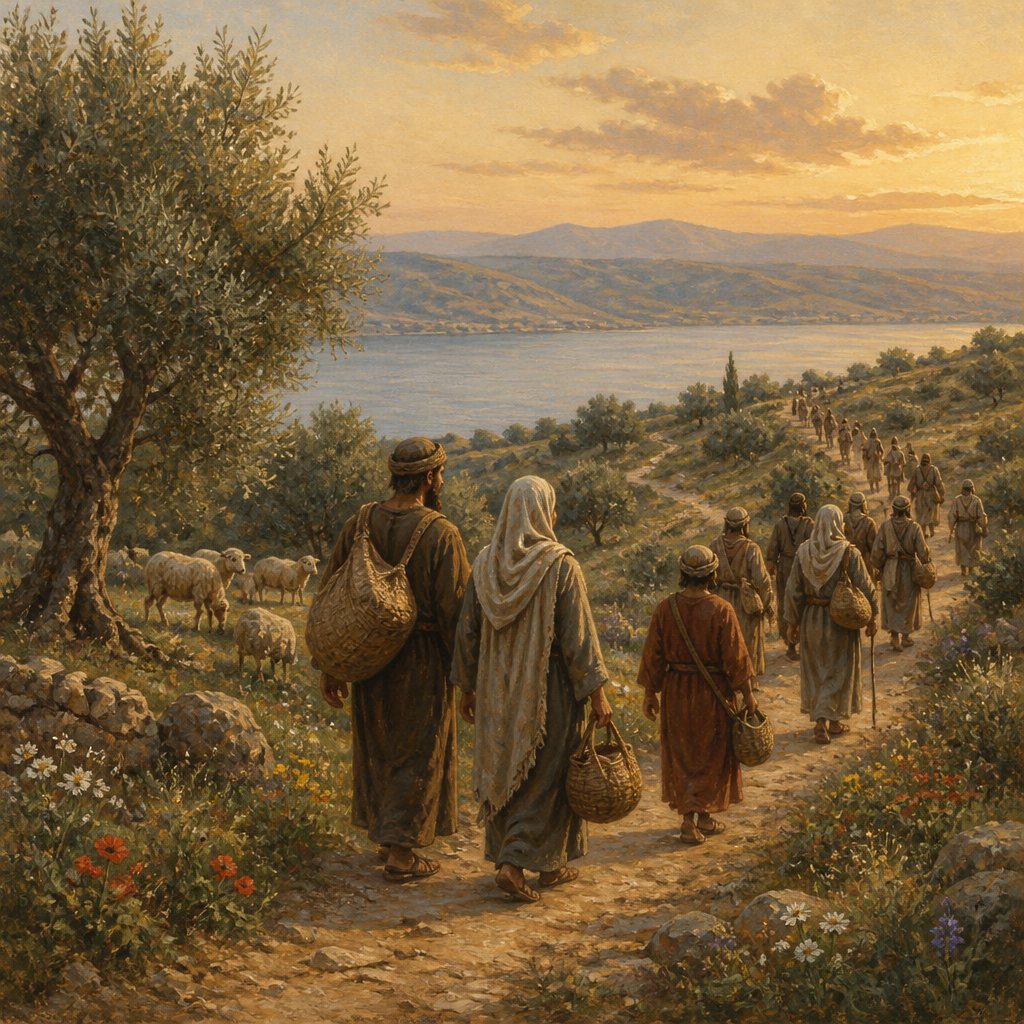
"John 6:4 (KJV) - And the passover, a feast of the Jews, was nigh."
In this verse, the Gospel of John mentions the time frame of the events that are about to unfold. The passage refers to the approaching Passover, which was a significant Jewish festival commemorating the liberation of the Israelites from slavery in Egypt. The context in which this verse is set is crucial to understanding its deeper meaning and significance.
The Passover festival was a time of great importance in the Jewish calendar, and it was during this time that Jesus would carry out some of his most impactful teachings and miracles, including the feeding of the five thousand (John 6:1-14) and the institution of the Lord's Supper (John 13:1-20). The correlation between the Passover and Jesus' ministry signifies the fulfillment of the Old Testament's prophecies and the establishment of a new covenant with God through Jesus Christ.
In a broader sense, the mention of the Passover in this verse also serves as a reminder of God's faithfulness to His people throughout history. It highlights the continuity and unity of God's plan for redemption, as the events of the Passover in the Old Testament find their ultimate fulfillment in the life, death, and resurrection of Jesus Christ in the New Testament.
The Passover feast itself is a symbol of liberation, sacrifice, and redemption. The feast commemorates the Israelites' deliverance from bondage in Egypt, with the blood of the sacrificial lamb marking the doorposts of their homes, saving them from the final plague of death. This act of redemption prefigures the sacrifice of Jesus as the Lamb of God, whose blood would ultimately deliver humanity from the bondage of sin and death.
The approaching Passover in John 6:4 also serves as a backdrop for the events that follow in the Gospel of John, particularly the discourse on the Bread of Life. Jesus uses the symbolism of the manna in the wilderness (John 6:31-35) to teach about the spiritual sustenance that he offers, emphasizing the need for faith in him as the source of eternal life.
The mention of the Passover in John 6:4 also underscores the Jewish identity of Jesus and his early followers, as well as the cultural and religious context of his ministry. Understanding the Jewish feasts and traditions helps to situate Jesus' message within its original context, illuminating the deep connections between the Old Testament and the New Testament, and the continuity of God's plan of salvation for all people.
In conclusion, John 6:4 holds profound significance within the broader narrative of the Gospel of John and the message of Jesus Christ. It serves as a reminder of God's faithfulness, the fulfillment of Old Testament prophecies, and the establishment of a new covenant through the sacrifice of Jesus. The mention of the approaching Passover highlights the symbolism of liberation, sacrifice, and redemption, while also situating Jesus' ministry within its Jewish cultural and religious context. Ultimately, this verse points to the central themes of faith, salvation, and the abundant life offered through the person and work of Jesus Christ.
Get our apps


Artwork for John 6:4

John 6:4 - "And the passover, a feast of the Jews, was nigh."

"And the passover, a feast of the Jews, was nigh." - John 6:4

John 4:6-7

John 4:6 - "Now Jacob's well was there. Jesus therefore, being wearied with his journey, sat thus on the well: and it was about the sixth hour."

Acts 4:6 - "And Annas the high priest, and Caiaphas, and John, and Alexander, and as many as were of the kindred of the high priest, were gathered together at Jerusalem."

1 John 4:6 - "We are of God: he that knoweth God heareth us; he that is not of God heareth not us. Hereby know we the spirit of truth, and the spirit of error."
John 1:6 - "¶ There was a man sent from God, whose name was John."

John 6:63

John 6:63

John 6:63

John 6:63
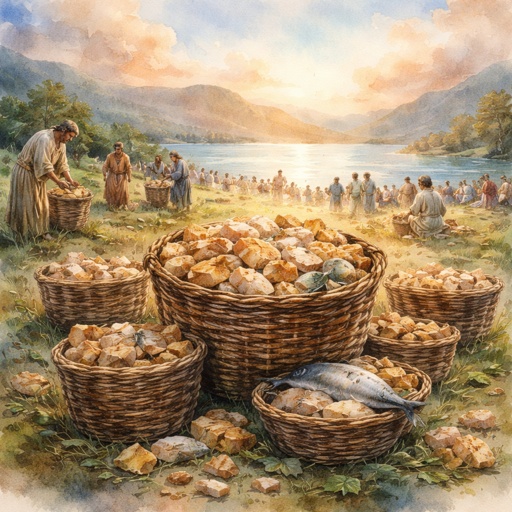
John 6:12

John 6:40

John 21:6

John 14:6

John 4:4 - "And he must needs go through Samaria."

John 6:16

John 21:6

John 6:37

John 21:6

John 21:6

John 6:40

John 4:16

John 3:4

John 4:16

John 4:16

John 4:16

John 4:16

John 6:8-9

JOHN 6:11-13