What does John 6:51 mean?
“I am the living bread which came down from heaven: if any man eat of this bread, he shall live for ever: and the bread that I will give is my flesh, which I will give for the life of the world.” — John 6:51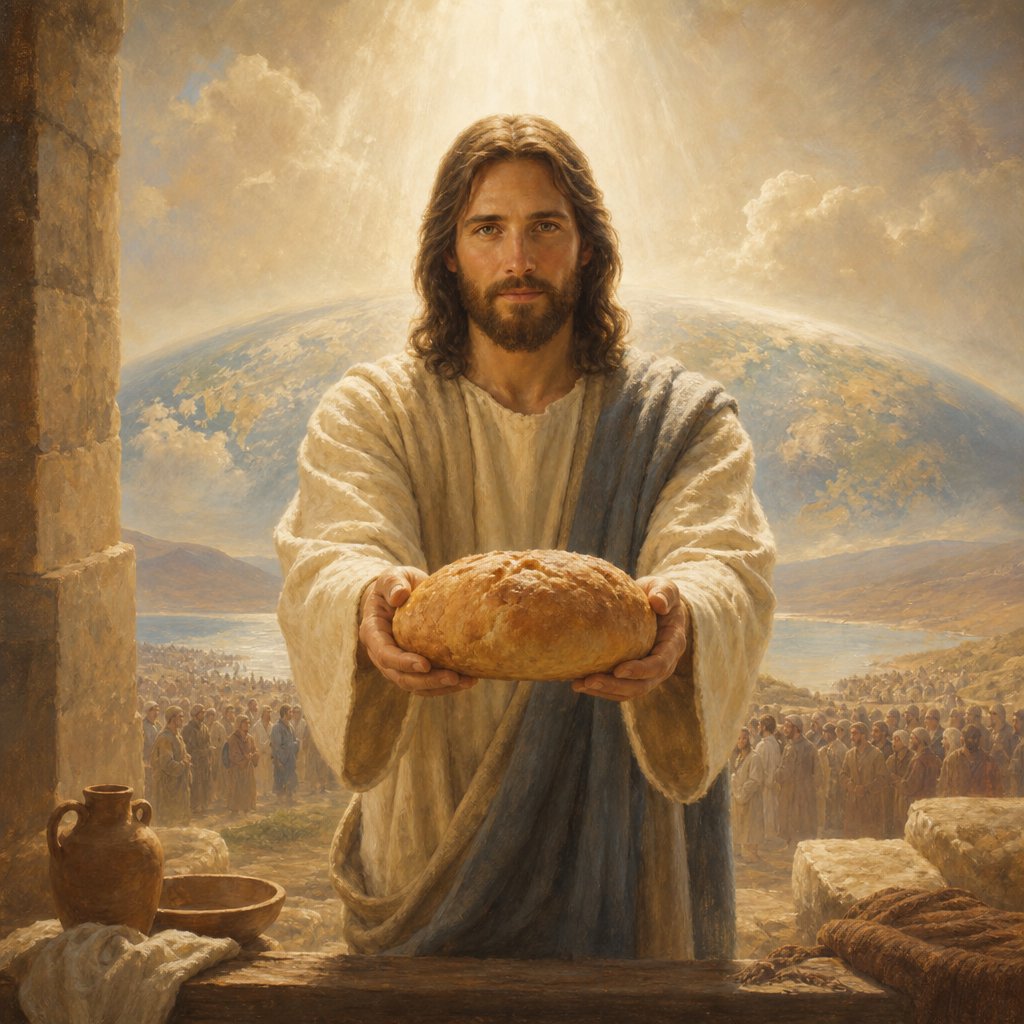
John 6:51 in the King James Version reads, “I am the living bread which came down from heaven: if any man eat of this bread, he shall live for ever: and the bread that I will give is my flesh, which I will give for the life of the world.”
In this verse Jesus identifies himself with one of the most basic necessities of human life: bread. Bread is ordinary, daily, and sustaining; by calling himself “the living bread,” Christ is saying that he is not merely a teacher who offers guidance, but the very source of true life. “Living” sets him apart from all earthly food, which can only maintain a mortal life for a time. What he gives sustains life that does not end. The phrase “which came down from heaven” anchors the claim in his divine origin. He is not simply raised up from among men; he is sent from above. The verse therefore speaks at once of Christ’s incarnation and of his authority to give what no earthly source can give: everlasting life.
The immediate context of John 6 is crucial. The chapter follows the feeding of the five thousand, where the multitude ate literal bread and were filled. That miracle becomes a doorway into a longer discourse in which Jesus turns their hunger into a spiritual question. The people pursue him, and Jesus exposes that they are drawn by the satisfaction of their appetite more than by the sign itself. In the KJV, he directs them away from food that perishes toward “that meat which endureth unto everlasting life” (John 6:27). Against the background of a crowd that wants more loaves, Jesus presents himself as the true provision of God. John 6:51 is a climactic statement in that argument: the sign of multiplied bread was never meant to terminate on full stomachs; it was meant to point to him.
The verse also consciously evokes Israel’s memory of manna. In the wilderness God fed the people with bread from heaven, and it was a daily gift that kept them alive on their journey. In John 6 Jesus explicitly compares that earlier bread with what he now offers: “Your fathers did eat manna in the wilderness, and are dead” (John 6:49). Manna was real and gracious, yet it could not overcome death. By contrast, the “living bread” gives life “for ever.” The symbolism is therefore not merely about nourishment but about a greater exodus and a greater wilderness need: humanity’s bondage to sin and death and its need for a redemption only God can provide. Christ presents himself as the fulfillment of what manna foreshadowed, the substance of what the sign predicted.
The heart of the verse is the invitation and the promise: “if any man eat of this bread, he shall live for ever.” In ordinary speech, to eat is to take something into oneself, to receive it, to appropriate it so that it becomes inward life rather than external object. Jesus uses the language of eating to describe a personal, vital participation in him. It is not enough to admire bread, discuss bread, or stand near bread; bread must be received. In the wider discourse, Jesus expresses the same reality with the language of faith: “He that believeth on me hath everlasting life” (John 6:47). The eating imagery therefore presses beyond bare intellectual agreement into dependence, trust, and union. Christ is not presented as an accessory to life but as life’s indispensable sustenance, so that to “eat” is to come to him as the one on whom the soul must feed.
The most arresting portion is where Jesus adds, “and the bread that I will give is my flesh, which I will give for the life of the world.” Here the symbol sharpens into the concrete work of redemption. “My flesh” points to his real humanity: the Word truly became flesh, and salvation is not an abstract decree but something accomplished in the embodied life of Christ. The words “I will give” introduce sacrifice and self-offering. Bread is something that is broken and distributed; Jesus speaks of giving his flesh in a way that anticipates the gift of himself unto death. The verse thus looks forward to the cross, where he would lay down his life. In John’s Gospel, the giving of life is central to Christ’s mission, and here he defines the gift as his own flesh offered “for the life of the world.” The scope is deliberately expansive. The language does not confine the benefit to one nation or one class; it declares a provision with the world in view, answering the universal human condition with a universal sufficiency in Christ.
The themes woven through the verse are therefore incarnation, atonement, faith, and eternal life. Incarnation appears in “came down from heaven” and “my flesh.” Atonement appears in “I will give” and in the purpose clause “for the life of the world,” which presents his death not as tragedy but as life-giving sacrifice. Faith and personal appropriation are portrayed in “eat of this bread,” not as a mere ritual act in itself, but as the inward receiving of Christ as the soul’s necessary food. Eternal life is the promised outcome: “he shall live for ever,” a phrase that in John is not only unending duration but a quality of life rooted in communion with God through the Son.
Even the reactions surrounding this statement illuminate its significance. In John 6 many who hear Jesus stumble at the “hard” saying, because he refuses to be reduced to a political deliverer or a provider of endless earthly bread. He insists that the deepest human need is not primarily economic or physical, but spiritual and eternal, and that meeting it will require his self-giving. The offense of the verse lies in its insistence that life comes only through him, and that the way he gives life is by giving himself. The comfort of the verse lies in its openness—“if any man”—and in its certainty—“he shall live for ever.”
John 6:51, then, gathers up the miracle of the loaves, the memory of manna, the reality of Christ’s divine origin, and the coming gift of his sacrificed life into a single claim: Jesus is God’s true provision. To receive him is to receive life that cannot be taken away, because the bread he gives is not a thing but himself, given in the flesh “for the life of the world.”
Get our apps


Artwork for John 6:51

John 6:51 - "I am the living bread which came down from heaven: if any man eat of this bread, he shall live for ever: and the bread that I will give is my flesh, which I will give for the life of the world."

I am the living bread that came down out of heaven; if anyone eats of this bread, he shall live forever; and the bread also which I shall give for the life of the world is My flesh." (Joh 6:51 NAS)

Jesus said, ‘The bread that I shall give is my flesh for the life of the world.’ (Jn 6:51)
"I am the living bread which came down from heaven: if any man eat of this bread, he shall live for ever: and the bread that I will give is my flesh, which I will give for the life of the world." - John 6:51

Psalm 51:6

John 11:51 - "And this spake he not of himself: but being high priest that year, he prophesied that Jesus should die for that nation;"

John 7:51 - "Doth our law judge any man, before it hear him, and know what he doeth?"

Luke 8:51 - "And when he came into the house, he suffered no man to go in, save Peter, and James, and John, and the father and the mother of the maiden."

John 4:51 - "And as he was now going down, his servants met him, and told him, saying, Thy son liveth."
John 8:51 - "Verily, verily, I say unto you, If a man keep my saying, he shall never see death."

1 Chronicles 6:51 - "Bukki his son, Uzzi his son, Zerahiah his son,"

Psalms 51:6 - "Behold, thou desirest truth in the inward parts: and in the hidden part thou shalt make me to know wisdom."

Mark 6:51 - "And he went up unto them into the ship; and the wind ceased: and they were sore amazed in themselves beyond measure, and wondered."

John 1:51 - "And he saith unto him, Verily, verily, I say unto you, Hereafter ye shall see heaven open, and the angels of God ascending and descending upon the Son of man."

Jeremiah 51:6 - "Flee out of the midst of Babylon, and deliver every man his soul: be not cut off in her iniquity; for this is the time of the LORD'S vengeance; he will render unto her a recompence."
John 1:6 - "¶ There was a man sent from God, whose name was John."

John 6:63

John 6:63
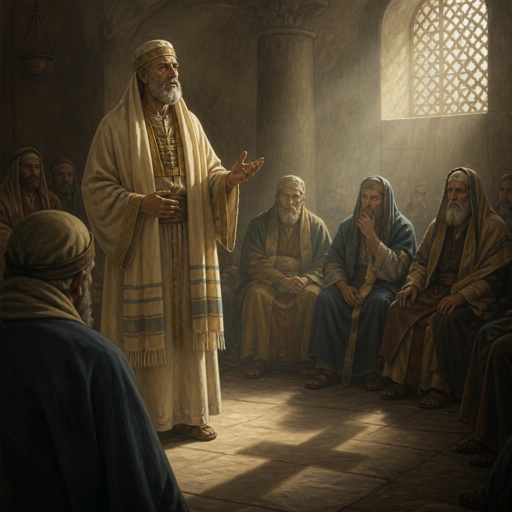
"And this spake he not of himself: but being high priest that year, he prophesied that Jesus should die for that nation;" - John 11:51

John 6:63

John 6:63
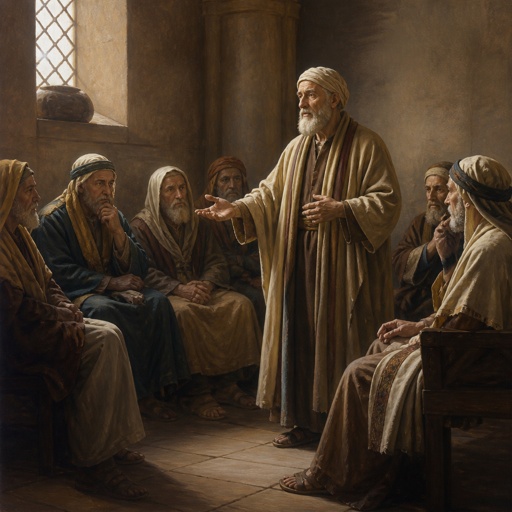
"Doth our law judge any man, before it hear him, and know what he doeth?" - John 7:51

"Bukki his son, Uzzi his son, Zerahiah his son," - 1 Chronicles 6:51
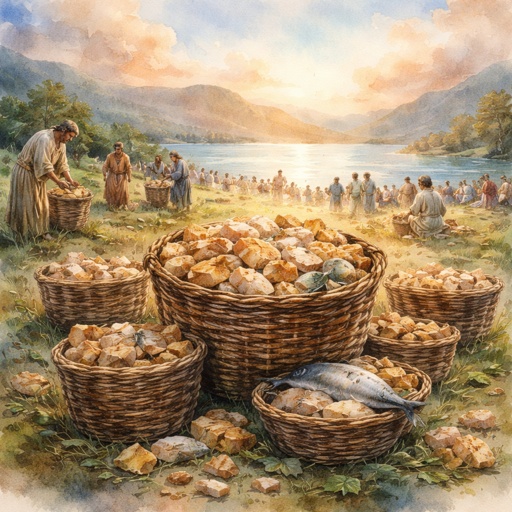
John 6:12

John 6:40

John 21:6

John 14:6
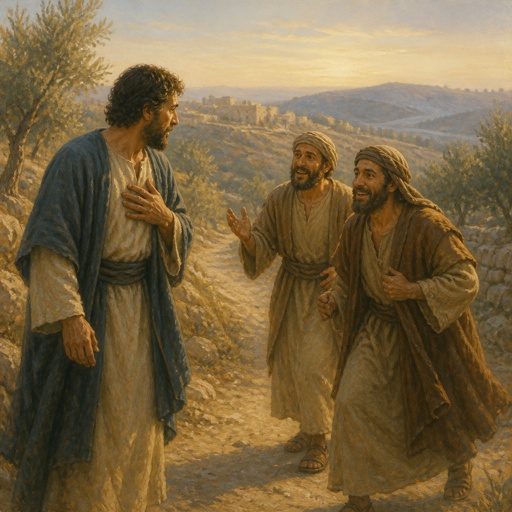
"And as he was now going down, his servants met him, and told him, saying, Thy son liveth." - John 4:51

John 21:6

John 6:16