What does John 6:58 mean?
“This is that bread which came down from heaven: not as your fathers did eat manna, and are dead: he that eateth of this bread shall live for ever.” — John 6:58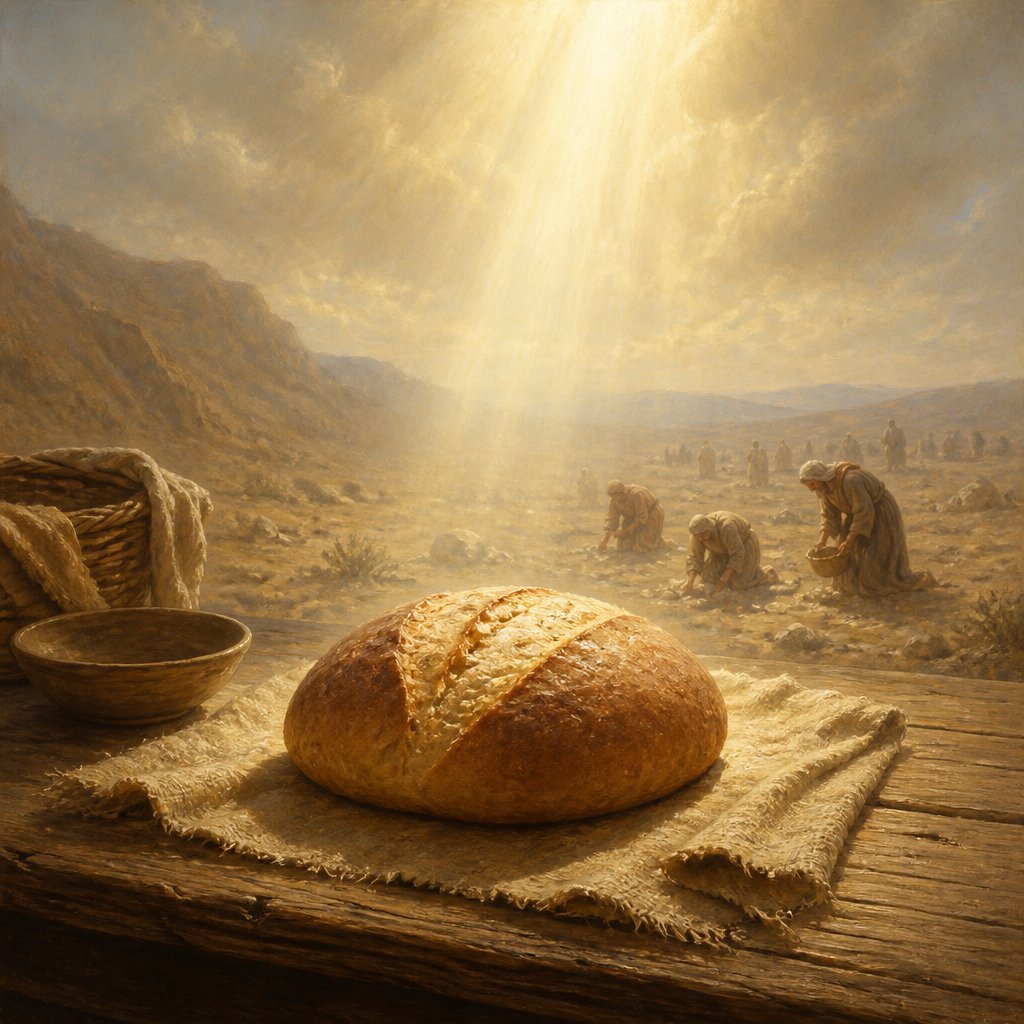
John 6:58 (KJV) reads: "This is that bread which came down from heaven: not as your fathers did eat manna, and are dead: he that eateth of this bread shall live for ever."
This verse is part of the larger passage where Jesus is speaking to a group of Jews, explaining to them the significance of the bread of life. In the verses leading up to this, Jesus tells the crowd that he is the bread of life that came down from heaven, and that anyone who believes in him will never hunger or thirst. He continues by saying that anyone who eats of the bread of life will live forever, and that the bread he will give for the life of the world is his flesh.
The verse carries a deep spiritual and theological meaning, with several layers of interpretation. At its core, this verse speaks about the concept of eternal life and the sustaining power of Jesus as the bread of life. It also references the past experiences of the Jewish people, particularly their time in the wilderness when God provided them with manna, the bread from heaven.
The theme of sustenance and provision is prevalent in this verse. The reference to manna, the bread that sustained the Israelites in the wilderness, and the comparison to Jesus as the true bread from heaven, highlights the idea that Jesus provides spiritual nourishment that goes beyond physical sustenance. While manna served as a temporary and physical provision, Jesus offers eternal and spiritual sustenance through his sacrifice and resurrection.
Additionally, this verse emphasizes the contrast between the temporal and the eternal. While the manna provided by God sustained the Israelites physically for a time, it ultimately could not prevent their physical death. In contrast, the bread of life, Jesus, offers the promise of eternal life to those who partake of him. This speaks to the transformative power of faith in Jesus and the hope of resurrection and eternal life for believers.
The symbolism in this verse is rich and significant. The bread of life represents Jesus himself, who, as the Son of God, gives life to the world. By partaking of him, believers receive spiritual sustenance and the promise of eternal life. The contrast with manna serves as a reminder of the limitations of physical provision and the surpassing value of spiritual nourishment.
The context of this verse within the larger narrative of the Gospel of John is essential for understanding its significance. Throughout the gospel, John presents Jesus as the divine Son of God who has come down from heaven to bring salvation to the world. The bread of life discourse in chapter 6 is a pivotal moment in Jesus' ministry, where he reveals himself as the source of eternal life and invites people to partake of him in faith.
In conclusion, John 6:58 holds a significant place in the theological and spiritual understanding of Jesus as the bread of life. It speaks to the themes of eternal life, spiritual nourishment, and the transformative power of faith in Jesus. The verse underscores the contrast between temporal and eternal provisions and emphasizes the promise of resurrection and eternal life for those who partake of the bread of life. It serves as a powerful reminder of the central role of Jesus in providing ultimate sustenance and salvation for believers.
Get our apps


Artwork for John 6:58

John 6:58 - "This is that bread which came down from heaven: not as your fathers did eat manna, and are dead: he that eateth of this bread shall live for ever."
"This is that bread which came down from heaven: not as your fathers did eat manna, and are dead: he that eateth of this bread shall live for ever." - John 6:58

1 Chronicles 6:58 - "And Hilen with her suburbs, Debir with her suburbs,"

John 8:58 - "Jesus said unto them, Verily, verily, I say unto you, Before Abraham was, I am."

Psalms 58:6 - "Break their teeth, O God, in their mouth: break out the great teeth of the young lions, O LORD."
"Jesus said unto them, Verily, verily, I say unto you, Before Abraham was, I am." - John 8:58
"And Hilen with her suburbs, Debir with her suburbs," - 1 Chronicles 6:58

Isaiah 58:6 - "Is not this the fast that I have chosen? to loose the bands of wickedness, to undo the heavy burdens, and to let the oppressed go free, and that ye break every yoke?"

"Break their teeth, O God, in their mouth: break out the great teeth of the young lions, O LORD." - Psalms 58:6
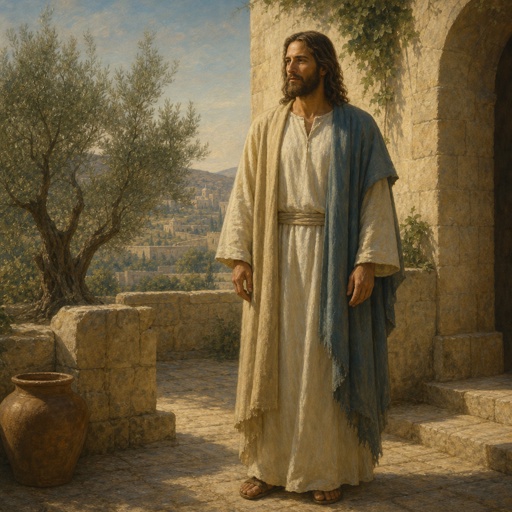
"Jesus said unto them, Verily, verily, I say unto you, Before Abraham was, I am." - John 8:58
John 1:6 - "¶ There was a man sent from God, whose name was John."

John 6:63

John 6:63

John 6:63

John 6:63
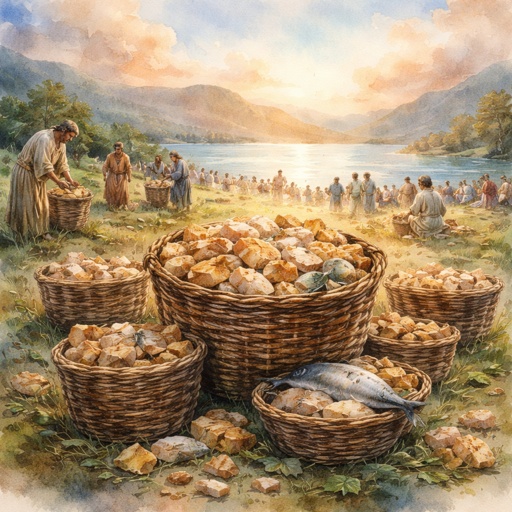
John 6:12

John 6:40

John 21:6

John 14:6

John 6:16

John 21:6

John 6:37

John 21:6

John 21:6

John 6:40

John 6:8-9

JOHN 6:11-13

John 6:6 - "And this he said to prove him: for he himself knew what he would do."

John 4:6-7

Isaiah 58:6-7 - "Is not this the kind of fasting I have chosen: to loose the chains of injustice and untie the cords of the yoke, to set the oppressed free and break every yoke? Is it not to share your food with the hungry and to provide the poor wanderer with shelter— when you see the naked, to clothe them, and not to turn away from your own flesh and blood?"