What does John 6:62 mean?
“What and if ye shall see the Son of man ascend up where he was before?” — John 6:62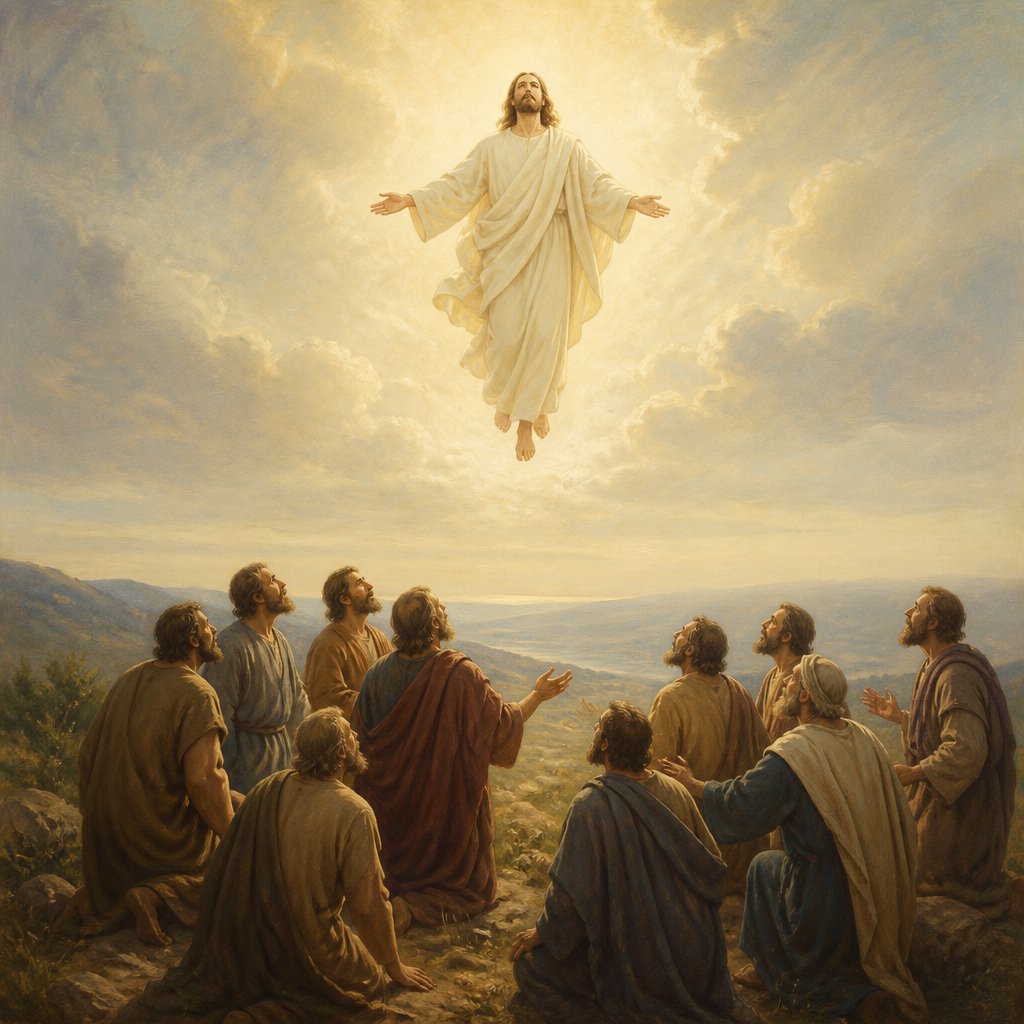
John 6:62 (KJV) - "What and if ye shall see the Son of man ascend up where he was before?"
This verse is part of a larger discourse given by Jesus to a crowd of people, known as the "Bread of Life Discourse," found in the Gospel of John. The discourse begins with Jesus feeding the five thousand and then declaring himself as the "Bread of Life" (John 6:35). The crowd, intrigued by this statement, questions Jesus and demands a sign to prove his authority. Jesus then goes on to explain that he is the living bread that came down from heaven, and that whoever eats of this bread will live forever.
In John 6:62, Jesus poses a hypothetical question to the crowd, asking them what they would think if they were to see the Son of Man ascending to where he was before. This statement serves as a reflection of Jesus' divine nature and his pre-existence before coming to earth. By referring to himself as the "Son of Man," Jesus is asserting his identity as the prophesied Messiah in the Old Testament, specifically in the book of Daniel (Daniel 7:13-14). This reference to his pre-existence and his return to glory also points to the eventual ascension of Jesus after his resurrection, as outlined in the book of Acts.
The theme of Jesus' divine nature is central to this verse, as it emphasizes his identity as both fully human and fully divine. This dual nature is a cornerstone of Christian theology, as it reaffirms Jesus' ability to bridge the gap between God and humanity, and to serve as the ultimate mediator between the two. This theme is also echoed throughout the Gospel of John, particularly in the prologue where it declares that the Word became flesh and dwelt among us (John 1:14).
Furthermore, the context of this verse within the larger Bread of Life Discourse highlights the theme of spiritual nourishment and the concept of faith in Jesus as the source of eternal life. Throughout this discourse, Jesus speaks of himself as the bread that gives life to the world and invites the crowd to partake in this life-giving sustenance. This serves as a metaphor for the necessity of believing in Jesus as the Messiah and the source of salvation, as well as the importance of spiritual sustenance for the soul.
Symbolically, the ascension mentioned in John 6:62 represents Jesus' return to the heavenly realm and his eventual enthronement at the right hand of God. This event is crucial to Christian faith as it signifies Jesus' victory over sin and death, as well as his eternal reign as Lord and Savior. The ascension also serves as a promise of Jesus' return, as he reassures his disciples that he will come back to gather his followers and establish his kingdom.
In summary, John 6:62 holds significant theological and symbolic meaning within the broader context of the Bread of Life Discourse. It emphasizes Jesus' divine nature, his pre-existence, and his eventual ascension, while also inviting the crowd to partake in the life-giving sustenance that he offers. This verse underscores the central themes of spiritual nourishment, faith in Jesus, and the promise of eternal life, all of which are foundational to the Christian faith.
Get our apps


Artwork for John 6:62

John 6:62 - "What and if ye shall see the Son of man ascend up where he was before?"
Jesus said, ‘What if you should see the Son of Man ascend to where he was before?’ (Jn 6:62)
"What and if ye shall see the Son of man ascend up where he was before?" - John 6:62

Psalms 62:6 - "He only is my rock and my salvation: he is my defence; I shall not be moved."

John 6:2 - "And a great multitude followed him, because they saw his miracles which he did on them that were diseased."

1 Chronicles 6:62 - "And to the sons of Gershom throughout their families out of the tribe of Issachar, and out of the tribe of Asher, and out of the tribe of Naphtali, and out of the tribe of Manasseh in Bashan, thirteen cities."

Isaiah 62:6 - "I have set watchmen upon thy walls, O Jerusalem, which shall never hold their peace day nor night: ye that make mention of the LORD, keep not silence,"
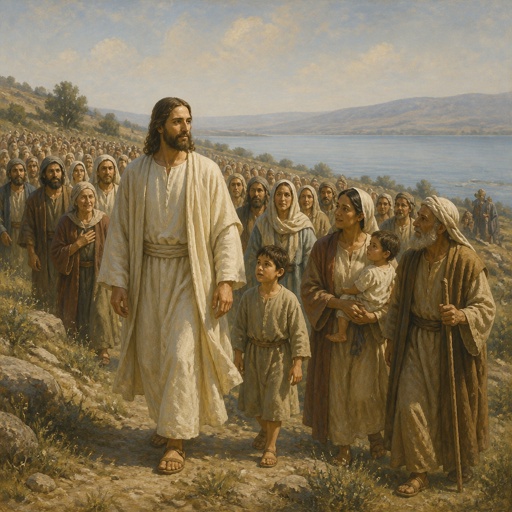
"And a great multitude followed him, because they saw his miracles which he did on them that were diseased." - John 6:2
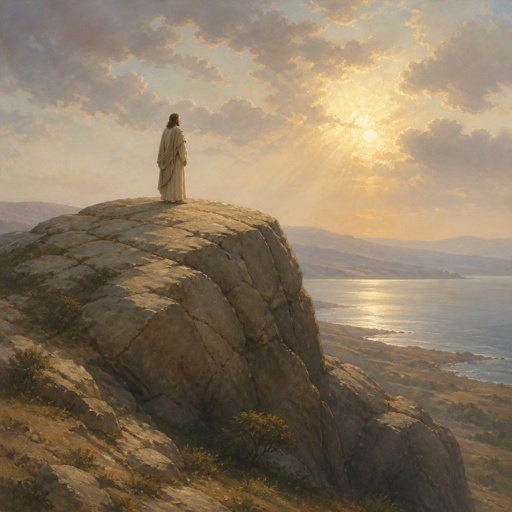
"He only is my rock and my salvation: he is my defence; I shall not be moved." - Psalms 62:6

John 1:6 - "¶ There was a man sent from God, whose name was John."

John 6:63

John 6:63

John 6:63

John 6:63
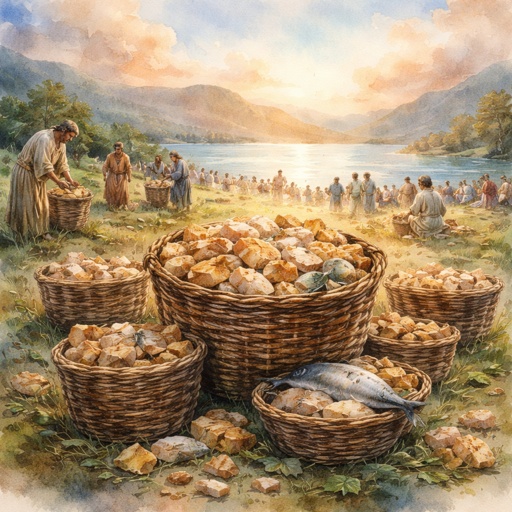
John 6:12

John 6:40

John 21:6

John 14:6

John 21:6

John 6:16

John 6:37

John 21:6

John 6:40

John 21:6

John 6:8-9

JOHN 6:11-13

John 6:6 - "And this he said to prove him: for he himself knew what he would do."

John 4:6-7
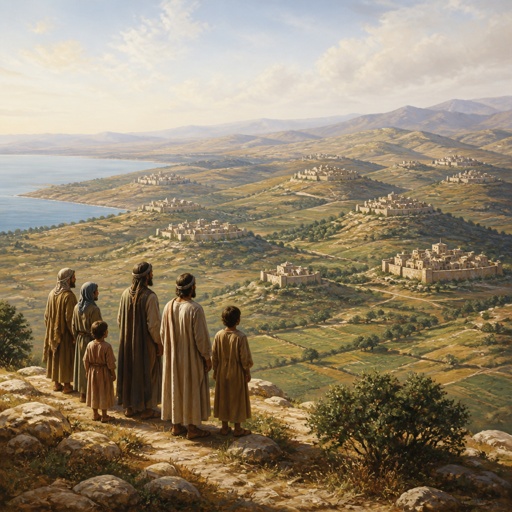
"And to the sons of Gershom throughout their families out of the tribe of Issachar, and out of the tribe of Asher, and out of the tribe of Naphtali, and out of the tribe of Manasseh in Bashan, thirteen cities." - 1 Chronicles 6:62

John 6:48 - "I am that bread of life."