What does John 6:67 mean?
“Then said Jesus unto the twelve, Will ye also go away?” — John 6:67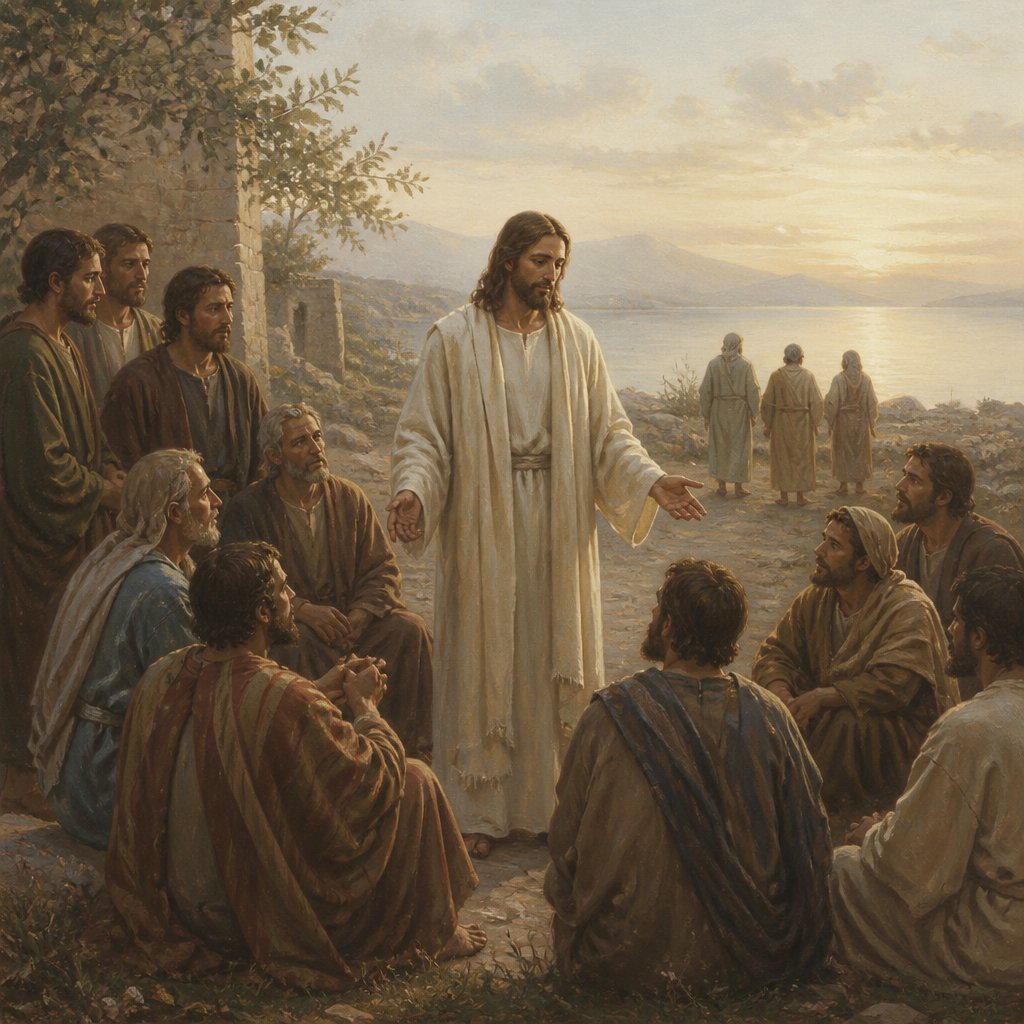
John 6:67 in the King James Version (KJV) of the Bible reads, "Then said Jesus unto the twelve, Will ye also go away?" This verse occurs in the context of Jesus' teaching about the necessity of partaking of his body and blood in order to have eternal life. In the preceding verses, Jesus had just finished speaking to a large crowd of people, many of whom had been following him because they had seen his miracles and wanted to witness more.
After hearing Jesus speak about the necessity of consuming his flesh and blood, many of his disciples were confused and troubled by these words. As a result, they began to grumble and question Jesus' teaching. The disciples were struggling to understand the deeper spiritual meaning behind Jesus' words, and some of them began to turn away from him.
It is in response to this turning away that Jesus turns to the twelve disciples and poses the question, "Will ye also go away?" This question captures the heart of the struggle that the disciples are facing. Jesus is essentially asking them if they are going to abandon their faith in him like others have done. This question is a test of loyalty and commitment to following Jesus, even when his teachings are difficult to understand or accept.
The themes present in this verse are those of faith, loyalty, and the cost of discipleship. Jesus' question reveals the tension that often exists between following Jesus and the challenges that come with that decision. It serves as a reminder that being a disciple of Jesus requires steadfast faith and unwavering commitment, even when confronted with difficult and challenging teachings.
The context of this verse is also significant. Jesus' words about consuming his flesh and blood were a foreshadowing of the Eucharist, a central sacrament in Christian faith. Jesus' invitation to partake of his body and blood is a symbol of the intimate communion and union that believers have with Christ. It is a call to participate in the life, death, and resurrection of Jesus and to receive the spiritual nourishment that comes from this act of faith.
The symbolism in this verse is profound. The question Jesus poses to the disciples is not just a rhetorical one; it is a call to reaffirm their commitment to following him. The question also highlights the contrast between the superficial followers who turn away when confronted with challenging teachings and the true disciples who are willing to wrestle with difficult truths and remain steadfast in their faith.
In conclusion, John 6:67 is a powerful and poignant verse that captures the essence of discipleship and faith. It challenges believers to remain loyal and committed to Jesus, even in the face of difficult and perplexing teachings. It also serves as a reminder of the deep spiritual communion that believers have with Christ through the sacrament of the Eucharist. This verse is a testament to the enduring truth that the cost of discipleship is great, but the reward of intimate communion with Christ is even greater.
Get our apps


Artwork for John 6:67

John 6:67 - "Then said Jesus unto the twelve, Will ye also go away?"
"Then said Jesus unto the twelve, Will ye also go away?" - John 6:67
Psalms 67:6 - "Then shall the earth yield her increase; and God, even our own God, shall bless us."

1 Chronicles 6:67 - "And they gave unto them, of the cities of refuge, Shechem in mount Ephraim with her suburbs; they gave also Gezer with her suburbs,"
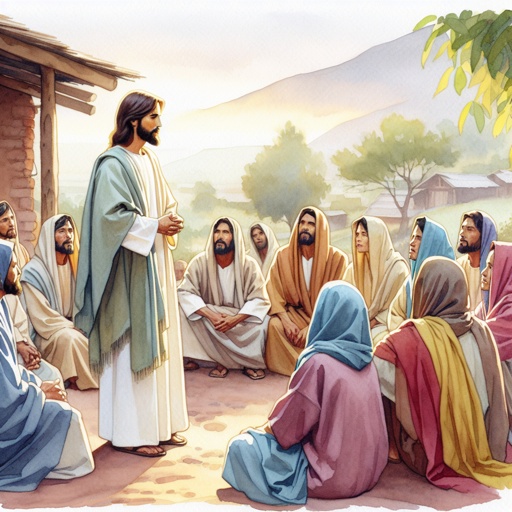
Jesus said to the Twelve, ‘What about you, do you want to go away too?’ (Jn 6:67)

"Then shall the earth yield her increase; and God, even our own God, shall bless us." - Psalms 67:6

John 6:7 - "Philip answered him, Two hundred pennyworth of bread is not sufficient for them, that every one of them may take a little."
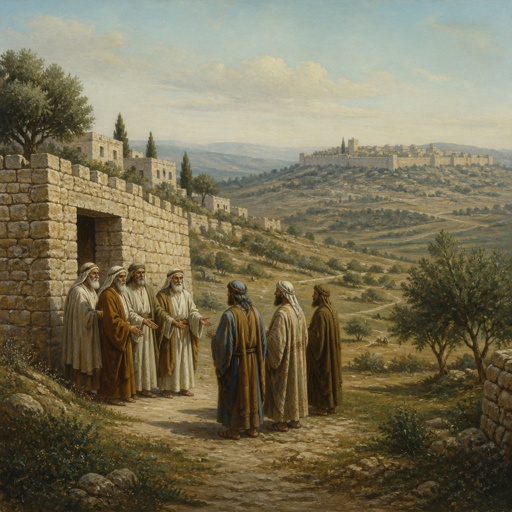
"And they gave unto them, of the cities of refuge, Shechem in mount Ephraim with her suburbs; they gave also Gezer with her suburbs," - 1 Chronicles 6:67

John 1:6 - "¶ There was a man sent from God, whose name was John."

John 6:63

John 6:63

John 6:63

John 6:63
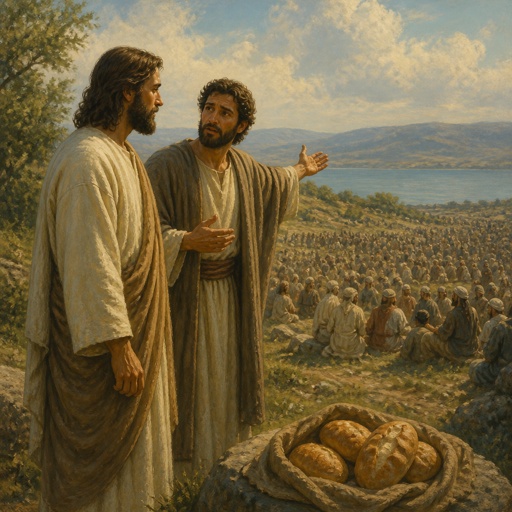
"Philip answered him, Two hundred pennyworth of bread is not sufficient for them, that every one of them may take a little." - John 6:7
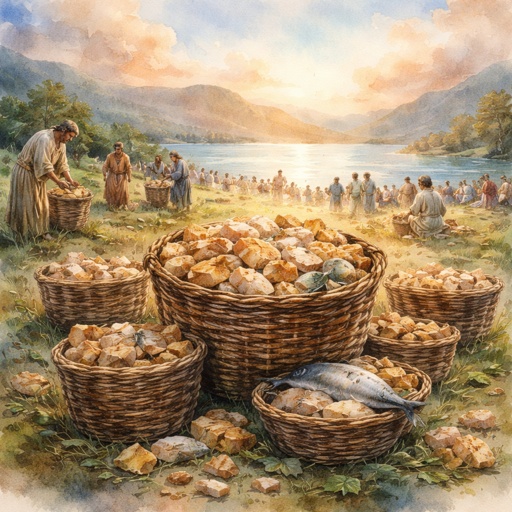
John 6:12

John 6:40

John 21:6

John 14:6

John 21:6

John 6:16

John 6:37

John 21:6

John 6:40

John 21:6

John 6:8-9

JOHN 6:11-13

John 6:6 - "And this he said to prove him: for he himself knew what he would do."

John 4:6-7

John 6:48 - "I am that bread of life."

John 6:4 - "And the passover, a feast of the Jews, was nigh."