What does John 6:70 mean?
“Jesus answered them, Have not I chosen you twelve, and one of you is a devil?” — John 6:70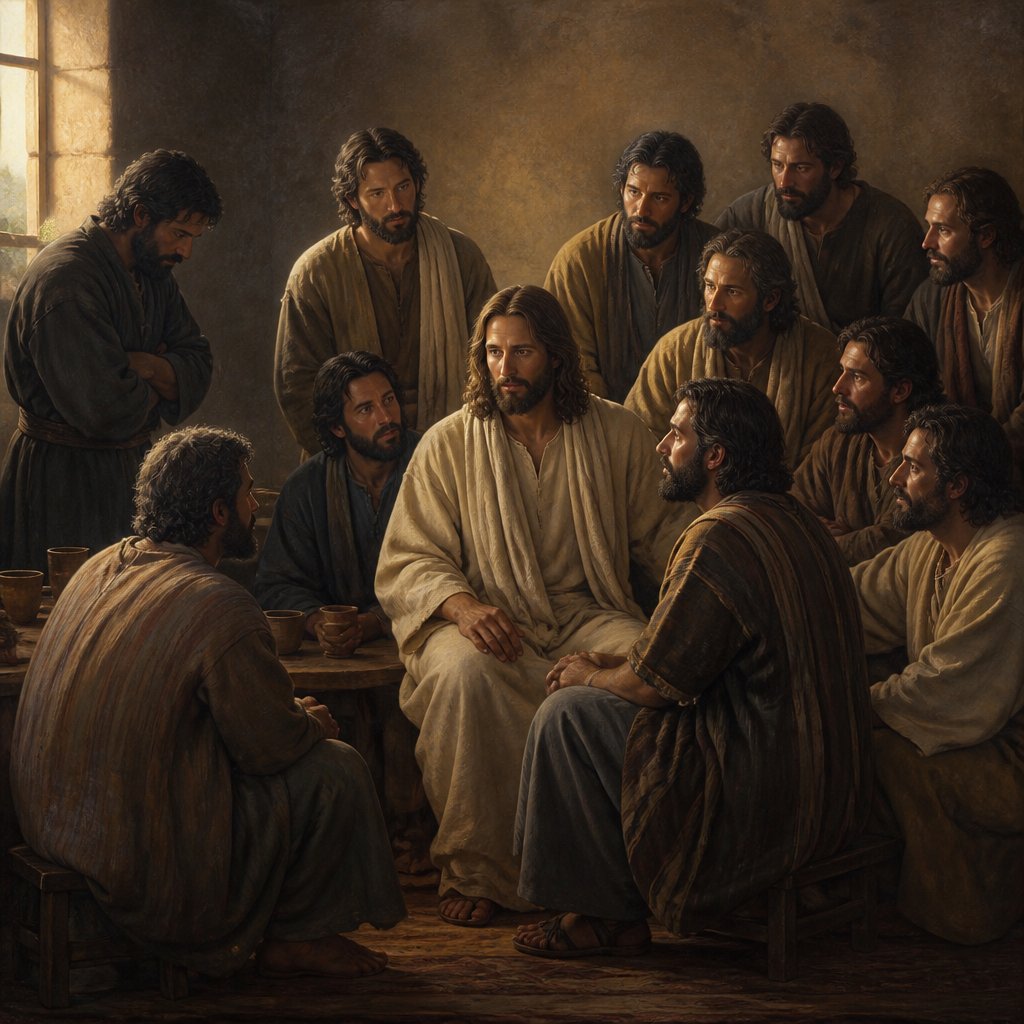
John 6:70 in the King James Version of the Bible reads, "Jesus answered them, Have not I chosen you twelve, and one of you is a devil?" This verse occurs in the context of Jesus' ministry on earth, specifically during the time of His public teaching and miracles. At this point in the narrative, Jesus had been gathering a following and had just performed the miracle of feeding the five thousand with only five loaves of bread and two fish.
In this verse, Jesus is speaking to His twelve disciples, including Judas Iscariot, who would later betray Him. The comment about one of them being a devil is a reference to Judas, who had the appearance of a faithful disciple but was actually harboring sinful intentions and would ultimately betray Jesus for thirty pieces of silver.
The theme of betrayal is central to this verse, as it reflects the ultimate betrayal that Jesus would experience at the hands of one of His closest followers. This theme is woven throughout the larger narrative of the Bible, as it is a recurring motif in the stories of both the Old and New Testaments. The story of Joseph being sold into slavery by his own brothers and the prophecies of betrayal in the Psalms are just a few examples of betrayal in the Old Testament. In the New Testament, the betrayal of Jesus by Judas is a pivotal event that leads to His crucifixion and eventual resurrection.
The context of Jesus' statement in John 6:70 is also significant. At this point in His ministry, Jesus had been teaching and performing miracles, which had attracted a large following. Despite the outward appearance of loyalty among His disciples, Jesus saw through their facade and recognized the true intentions of Judas. This serves as a reminder that outward appearances can be deceiving, and true loyalty and faithfulness come from the heart.
The symbolism in this verse is apparent in Jesus' characterization of Judas as a devil. This serves as a reminder of the ongoing spiritual battle between good and evil, and the presence of evil even within the ranks of those who profess to follow Jesus. It also serves as a cautionary tale about the dangers of hypocrisy and the importance of genuine faith and devotion.
The deeper meaning of this verse extends beyond the historical context of Jesus and His disciples. It serves as a warning to all believers about the potential for betrayal and deceit, both from external sources and from within the community of faith. It also highlights the importance of discernment and spiritual insight, as Jesus was able to see through the outward appearances of His disciples and recognize the true intentions of Judas.
In conclusion, John 6:70 in the King James Version of the Bible offers a powerful commentary on the theme of betrayal, the context of Jesus' ministry, and the symbolism of good versus evil. It serves as a reminder of the ongoing spiritual battle and the importance of discernment and genuine faith. Despite the betrayal of Judas, this verse also points to the ultimate triumph of Jesus over sin and death, as He would go on to fulfill His mission of redemption through His crucifixion and resurrection.
Get our apps


Artwork for John 6:70

John 6:70 - "Jesus answered them, Have not I chosen you twelve, and one of you is a devil?"
"Jesus answered them, Have not I chosen you twelve, and one of you is a devil?" - John 6:70

1 Chronicles 6:70 - "And out of the half tribe of Manasseh; Aner with her suburbs, and Bileam with her suburbs, for the family of the remnant of the sons of Kohath."
"And out of the half tribe of Manasseh; Aner with her suburbs, and Bileam with her suburbs, for the family of the remnant of the sons of Kohath." - 1 Chronicles 6:70

John 1:6 - "¶ There was a man sent from God, whose name was John."

John 6:63

John 6:63

John 6:63

John 6:63
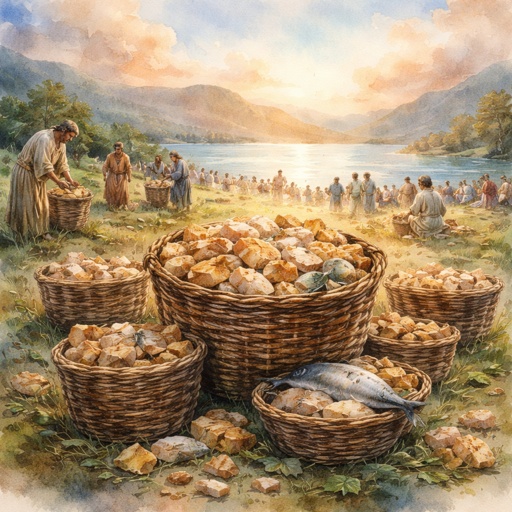
John 6:12

John 6:40

John 21:6

John 14:6

John 6:16

John 21:6

John 6:37

John 21:6

John 21:6

John 6:40

John 6:8-9

JOHN 6:11-13

John 6:6 - "And this he said to prove him: for he himself knew what he would do."

John 4:6-7

John 6:48 - "I am that bread of life."

John 6:4 - "And the passover, a feast of the Jews, was nigh."

"¶ There was a man sent from God, whose name was John." - John 1:6

John 6:18 - "And the sea arose by reason of a great wind that blew."

John 6:20 - "But he saith unto them, It is I; be not afraid."

John 14:6 Three dimensional

2 John 1:6 – "And this is love: that we walk in obedience to his commands."