What does John 7:13 mean?
“Howbeit no man spake openly of him for fear of the Jews.” — John 7:13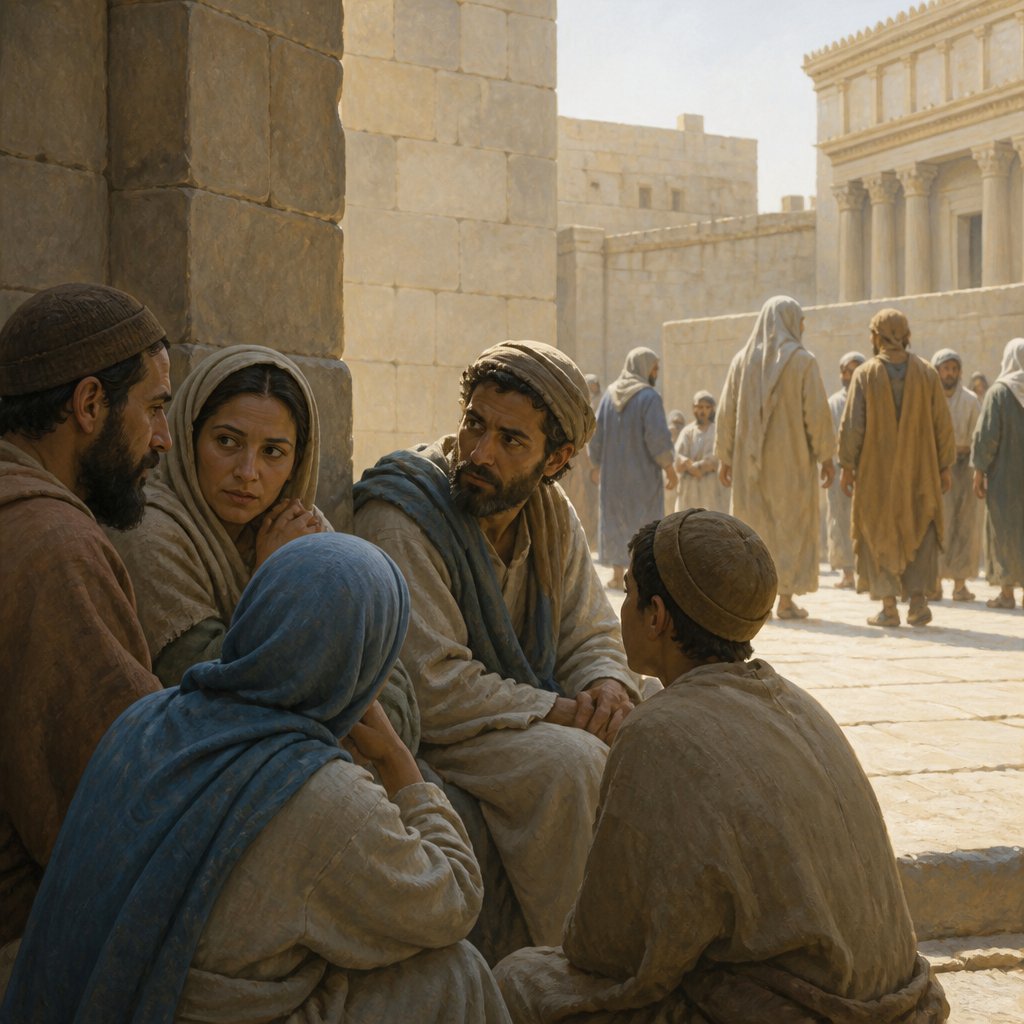
John 7:13 from the King James Version (KJV) states, "Howbeit no man spake openly of him for fear of the Jews." This verse takes place during the Feast of Tabernacles in Jerusalem, where Jesus is teaching in the temple. The context of this verse is significant, as it sheds light on the fear and hesitation that surrounded Jesus during his time on earth.
The Book of John paints a vivid picture of the life and ministry of Jesus Christ. It offers a unique perspective on the events surrounding Jesus' time on earth and often delves into the deep spiritual truths he taught. In this particular verse, the theme of fear is prevalent, as people are hesitant to speak openly about Jesus due to the opposition and hostility of the Jewish leaders.
The fear mentioned in this verse is indicative of the opposition and rejection that Jesus faced throughout his ministry. The Jewish religious leaders, known as the Pharisees and Sadducees, were threatened by Jesus' teachings and the influence he had on the people. They sought to discredit and ultimately eliminate Jesus, which created an atmosphere of fear and caution among the people.
The context of the Feast of Tabernacles also adds depth to this verse. This was a significant Jewish festival that commemorated the forty years the Israelites spent in the wilderness. It was a time of celebration, feasting, and dwelling in temporary shelters to remember God's provision and protection. Jesus' presence and teachings during this festival would have carried immense weight, as he often presented himself as the fulfillment of the Old Testament prophecies and traditions.
Symbolism plays a crucial role in understanding the depth of this verse. The fear of speaking openly about Jesus symbolizes the spiritual warfare and opposition that exists in the world. It serves as a reminder of the courage and boldness required to stand firm in faith, even in the face of adversity. This verse also highlights the contrast between the fear of man and the fear of God, emphasizing the importance of prioritizing obedience to God above all else.
Furthermore, this verse serves as a precursor to the events that would unfold leading up to Jesus' crucifixion. The fear and opposition of the Jewish leaders ultimately led to Jesus' betrayal, arrest, and crucifixion. This verse foreshadows the escalating tension and conflict that would culminate in the ultimate sacrifice of Jesus for the redemption of humanity.
In a broader sense, John 7:13 serves as a reminder of the human tendency to prioritize the approval of man over allegiance to God. It challenges believers to examine their own lives and consider whether fear or hesitation prevents them from openly professing their faith in Jesus Christ. It encourages individuals to seek courage and boldness in their walk with God, regardless of the opposition or obstacles they may face.
In conclusion, John 7:13 from the King James Version offers deep insight into the atmosphere of fear and hesitation that surrounded Jesus during his earthly ministry. It delves into themes of opposition, spiritual warfare, and the contrast between the fear of man and the fear of God. This verse serves as a poignant reminder of the courage and boldness required to stand firm in faith, even in the face of adversity. It also foreshadows the events leading up to Jesus' crucifixion, emphasizing the ultimate sacrifice he made for the redemption of humanity. Overall, this verse challenges believers to prioritize their allegiance to God above all else and to seek courage in professing their faith openly.
Get our apps


Artwork for John 7:13

John 7:13 - "Howbeit no man spake openly of him for fear of the Jews."
"Howbeit no man spake openly of him for fear of the Jews." - John 7:13

John 13:7 - "Jesus answered and said unto him, What I do thou knowest not now; but thou shalt know hereafter."

John 13

John 7:38

John 15:7

John 7:38

John 15:7

John 7:38

John 7:38

John 7:17-18

John 7:37-39

John 7:17-18

John 7:37-39

John 13:13 - "Ye call me Master and Lord: and ye say well; for so I am."

John 7:17-18

John 7:17-18
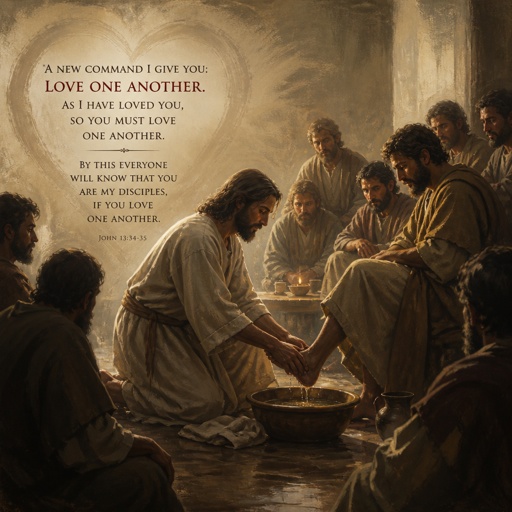
John 13: 34-35

John 13:4-9

JOHN 6:11-13

John 20:11-13

John 7:38
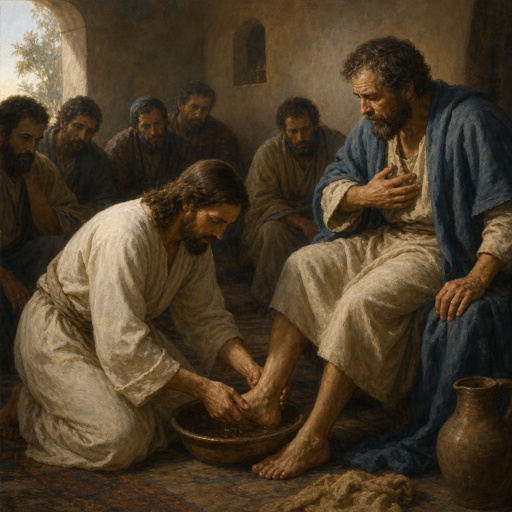
"Jesus answered and said unto him, What I do thou knowest not now; but thou shalt know hereafter." - John 13:7

John 7:38

John 7:38

1 John 4:13

John 13:31-35

John 9:13 - "¶ They brought to the Pharisees him that aforetime was blind."

John 7:7 - "The world cannot hate you; but me it hateth, because I testify of it, that the works thereof are evil."

John 4:6-7