What does John 7:18 mean?
“He that speaketh of himself seeketh his own glory: but he that seeketh his glory that sent him, the same is true, and no unrighteousness is in him.” — John 7:18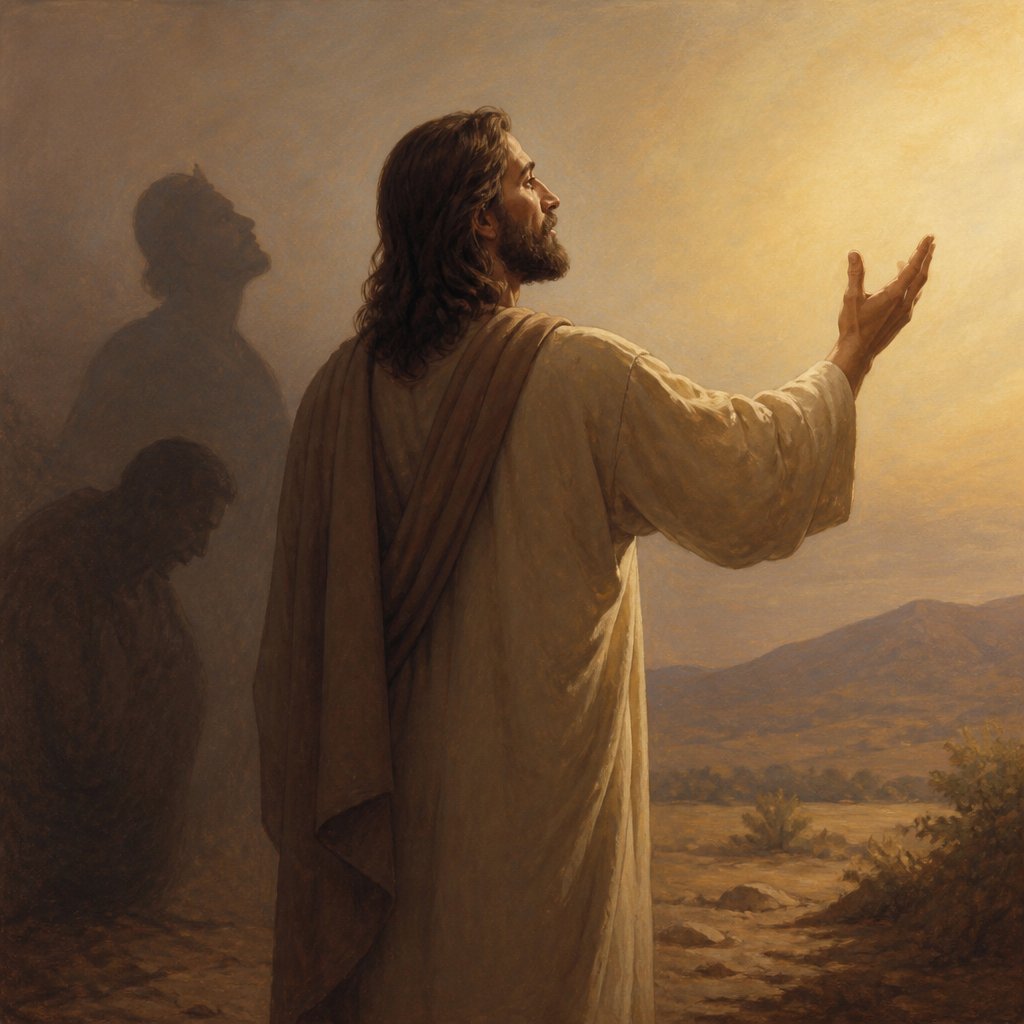
John 7:18 in the King James Version of the Bible reads, "He that speaketh of himself seeketh his own glory: but he that seeketh his glory that sent him, the same is true, and no unrighteousness is in him."
This verse is spoken by Jesus during the Feast of Tabernacles, as he teaches in the temple. He is addressing the crowd, emphasizing the importance of seeking to glorify God rather than oneself. This verse contains several themes and layers of meaning that are worth exploring in detail.
One of the central themes of this verse is the concept of humility. Jesus is teaching that those who speak to seek their own glory are acting out of pride and selfishness. He contrasts this with those who seek to glorify the one who sent them, meaning God. This speaks to the importance of humility in the Christian faith, as Jesus himself is the ultimate example of humility. His entire life and ministry were focused on glorifying his Father in Heaven rather than himself. This selfless attitude is one that Christians are called to imitate, putting the needs and glory of God above their own ambitions and desires.
Another important theme in this verse is the idea of true righteousness. Jesus states that those who seek the glory of the one who sent them are true, and no unrighteousness is in them. This ties into the broader biblical theme of righteousness and the importance of pursuing a life in accordance with God's will. Those who seek to glorify themselves are acting in unrighteousness, as they are driven by their own selfish desires rather than a desire to honor God. This verse serves as a reminder of the importance of living a righteous life and seeking to align one's actions with God's will.
The context of this verse is also significant in understanding its meaning. Jesus is speaking in the temple during the Feast of Tabernacles, a week-long Jewish festival that commemorated God's provision for the Israelites during their time in the wilderness. It was a time of celebration and remembrance, during which the people would live in temporary shelters and participate in various rituals and ceremonies. In this context, Jesus' teaching about seeking God's glory rather than one's own would have resonated with the crowd, reminding them of the importance of humility and righteousness in their relationship with God.
Symbolism is also present in this verse, particularly in the contrasting ideas of seeking one's own glory versus seeking the glory of God. The image of seeking one's own glory can be seen as representing the self-centered and prideful nature of humanity, while seeking the glory of God represents a selfless and humble attitude. This symbolism serves to reinforce the broader themes of humility and righteousness found in the verse, providing further depth to its meaning.
In conclusion, John 7:18 contains rich and nuanced themes related to humility, righteousness, and the pursuit of God's glory. Jesus' words serve as a powerful reminder for Christians to live with a selfless and humble attitude, seeking to glorify God rather than themselves. This verse challenges believers to examine their motives and actions, striving to live in accordance with God's will and to prioritize his glory above all else. The context of the Feast of Tabernacles and the symbolism present in the verse further enhance its significance, making it a powerful and timeless message for all who seek to follow Christ.
Get our apps


Artwork for John 7:18

John 7:18 - "He that speaketh of himself seeketh his own glory: but he that seeketh his glory that sent him, the same is true, and no unrighteousness is in him."
"He that speaketh of himself seeketh his own glory: but he that seeketh his glory that sent him, the same is true, and no unrighteousness is in him." - John 7:18

John 7:17-18

John 7:17-18

John 7:17-18

John 7:17-18
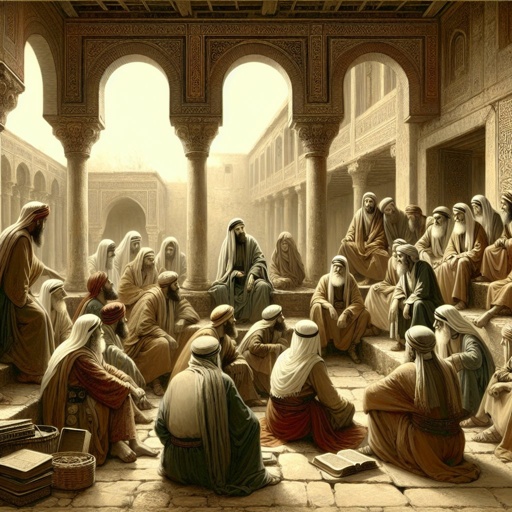
Luke 7:18 - "And the disciples of John shewed him of all these things."

John 18:7 - "Then asked he them again, Whom seek ye? And they said, Jesus of Nazareth."
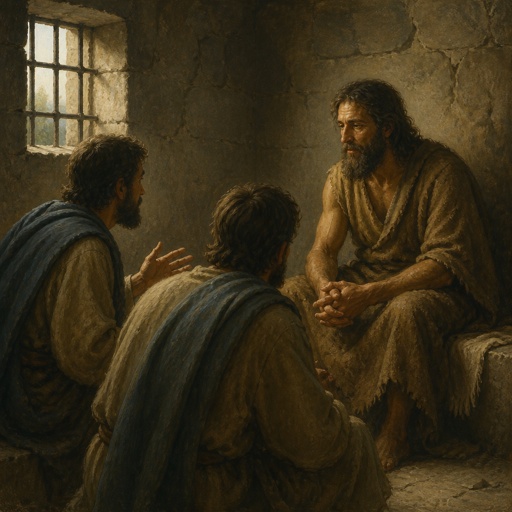
"And the disciples of John shewed him of all these things." - Luke 7:18
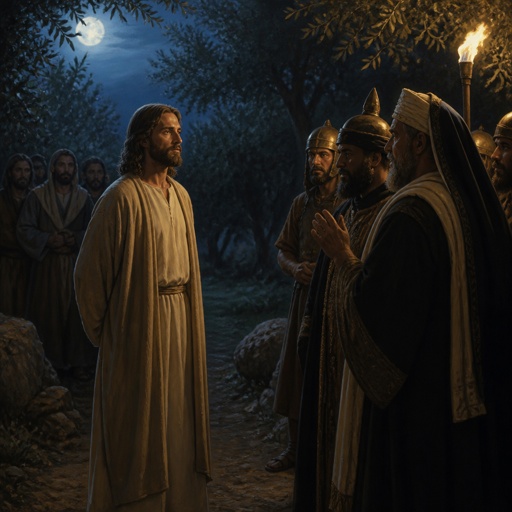
"Then asked he them again, Whom seek ye? And they said, Jesus of Nazareth." - John 18:7

John 18:25

john 18:36
John 7:38

John 15:7

John 7:38

John 15:7

John 7:38

John 7:38

1 John 5:18

1 John 4:18

1 John 4:18

John 7:37-39

John 7:37-39

John 7:38

John 6:18 - "And the sea arose by reason of a great wind that blew."

John 18:27 - "Peter then denied again: and immediately the cock crew."

John 7:38

John 7:38

Mark 2:18 - "And the disciples of John and of the Pharisees used to fast: and they come and say unto him, Why do the disciples of John and of the Pharisees fast, but thy disciples fast not?"

John 18:18 - "And the servants and officers stood there, who had made a fire of coals; for it was cold: and they warmed themselves: and Peter stood with them, and warmed himself."