What does John 7:20 mean?
“The people answered and said, Thou hast a devil: who goeth about to kill thee?” — John 7:20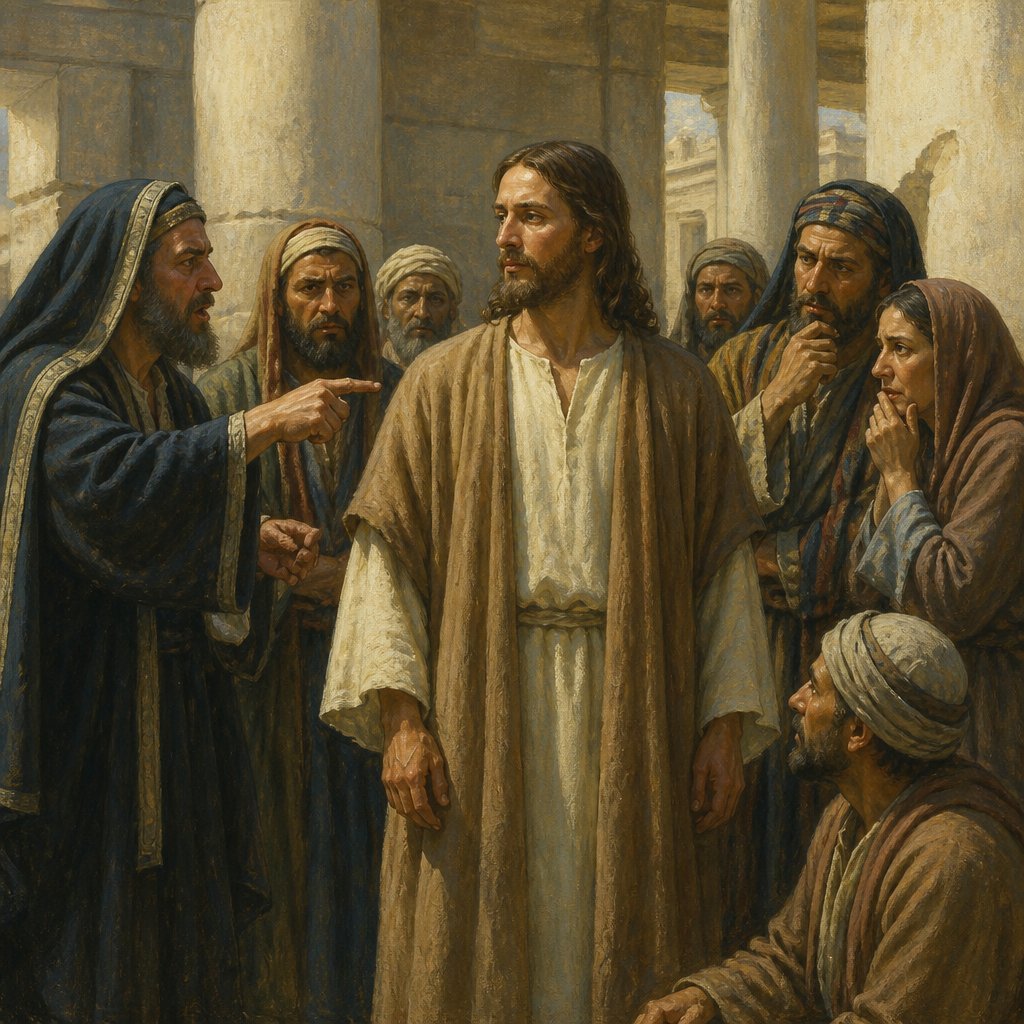
John 7:20 (KJV) states, "The people answered and said, Thou hast a devil: who goeth about to kill thee?"
This verse from the Gospel of John is part of a larger passage that captures the escalating tension and conflict surrounding Jesus Christ during the Feast of Tabernacles. In this instance, Jesus is in Jerusalem and is teaching at the temple. The people in the temple are divided in their opinions about him – some believe he is a good man, while others accuse him of being a deceiver. This verse is a response from the people to Jesus' question about why they are seeking to kill him.
The themes present in this verse include the questioning of Jesus' identity, his divine mission, and the skepticism and misunderstanding of those around him. The people's accusation that Jesus has a devil and is seeking to kill him reveals their disbelief in his message and mission. Furthermore, it speaks to the larger theme of spiritual warfare and the ongoing battle between good and evil, which is a pervasive theme throughout the Gospel of John.
The context of this verse is also significant. It takes place during the Feast of Tabernacles, a Jewish festival that commemorates the Israelites' journey through the wilderness and God's provision for them during that time. The feast involves the drawing of water from the pool of Siloam and the pouring of it on the altar, which is meant to symbolize God's faithfulness in providing water for the Israelites in the desert. This context adds depth to the accusations made against Jesus, as they undermine his authority and legitimacy during a time of spiritual significance.
Symbolism is also present in this verse. The accusation that Jesus has a devil is symbolic of the spiritual blindness and resistance to the truth that is prevalent among the people. By attributing Jesus' actions and words to demonic influence, they are denying his divinity and rejecting his message. This symbolizes the larger spiritual conflict at play and reflects the spiritual warfare that is a central theme throughout the Gospel of John.
In this verse, we see a clear demonstration of the division and disbelief that Jesus faced during his ministry. The people's response to Jesus highlights the spiritual blindness and animosity that characterized his interactions with the religious leaders and the crowds. It also sets the stage for the conflict that will ultimately lead to Jesus' crucifixion, demonstrating the growing opposition to his teachings and his divine identity.
In conclusion, John 7:20 (KJV) captures the intense and escalating tension surrounding Jesus Christ during his time in Jerusalem. The verse reflects the themes of spiritual warfare, disbelief, and the rejection of Jesus' message and mission. The context of the Feast of Tabernacles adds depth and significance to the accusations made against Jesus, and the symbolism present in the verse highlights the spiritual conflict at play. This verse serves as a poignant reminder of the challenges Jesus faced during his ministry and the ongoing battle between good and evil.
Get our apps


Artwork for John 7:20
"The people answered and said, Thou hast a devil: who goeth about to kill thee?" - John 7:20

John 20:7 - "And the napkin, that was about his head, not lying with the linen clothes, but wrapped together in a place by itself."

Luke 7:20 - "When the men were come unto him, they said, John Baptist hath sent us unto thee, saying, Art thou he that should come? or look we for another?"
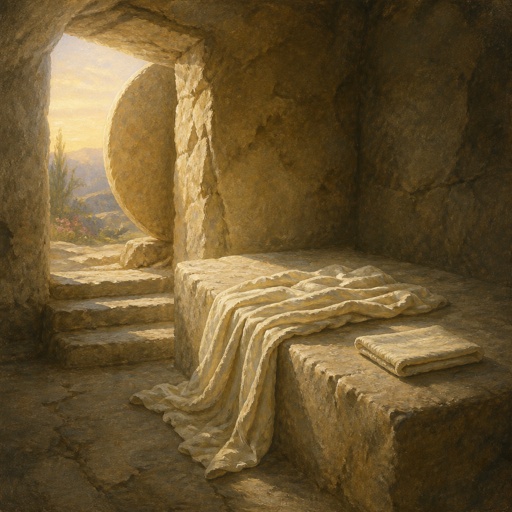
"And the napkin, that was about his head, not lying with the linen clothes, but wrapped together in a place by itself." - John 20:7

John 20:21

John 20:14

John 20:27

John 20:27
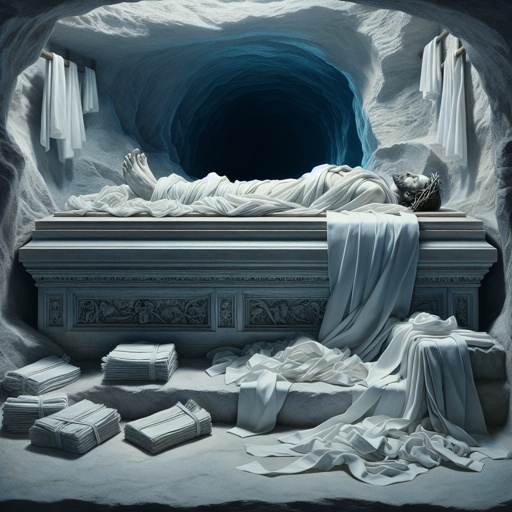
John 20:7 - Show inside the tomb - Nobody should be there - Show the strips of linen and the linen all in white - Show a folded white napkin next to the linen - A spiritual theme with a white and cold tone

John 20:11-12

John 20:11-13

John 20:30-31
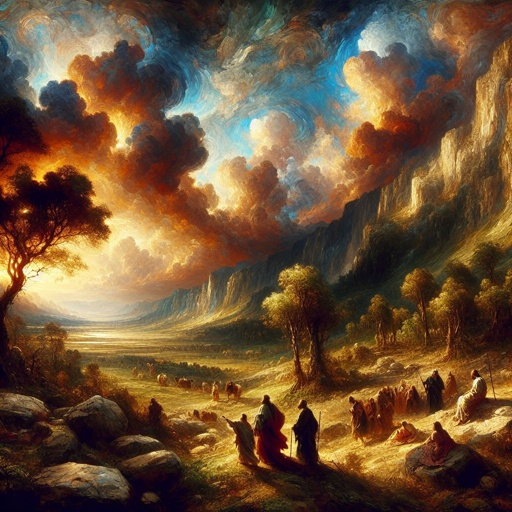
John 7:38

John 15:7

John 7:38

John 20:7 - Show inside the tomb - Nobody should be there - Show the strips of linen and the linen all in white - Show only one folded white napkin next to the linen - A spiritual theme with a white and cold tone - No human body

John 15:7

John 7:38

John 7:38
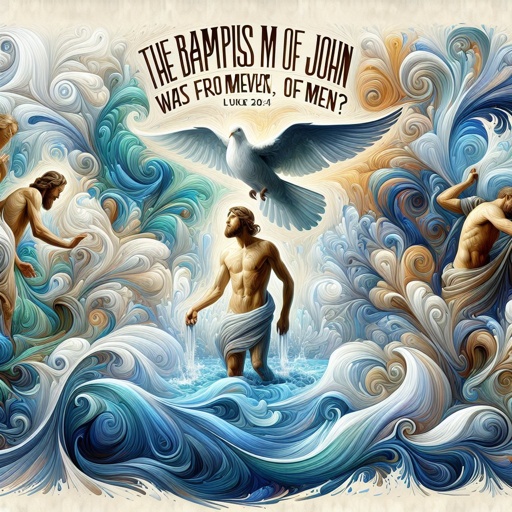
Luke 20:4 - "The baptism of John, was it from heaven, or of men?"

John 7:17-18

John 7:37-39

John 7:17-18

John 7:37-39

John 7:17-18

John 7:17-18

John 6:20 - "But he saith unto them, It is I; be not afraid."

John 7:38
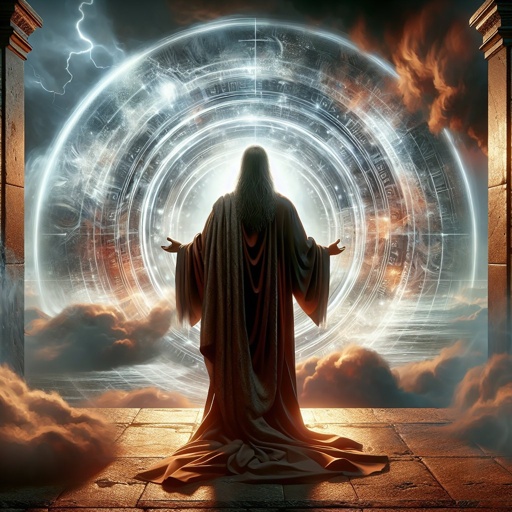
John 1:20 - "And he confessed, and denied not; but confessed, I am not the Christ."

John 7:38