What does John 7:30 mean?
“Then they sought to take him: but no man laid hands on him, because his hour was not yet come.” — John 7:30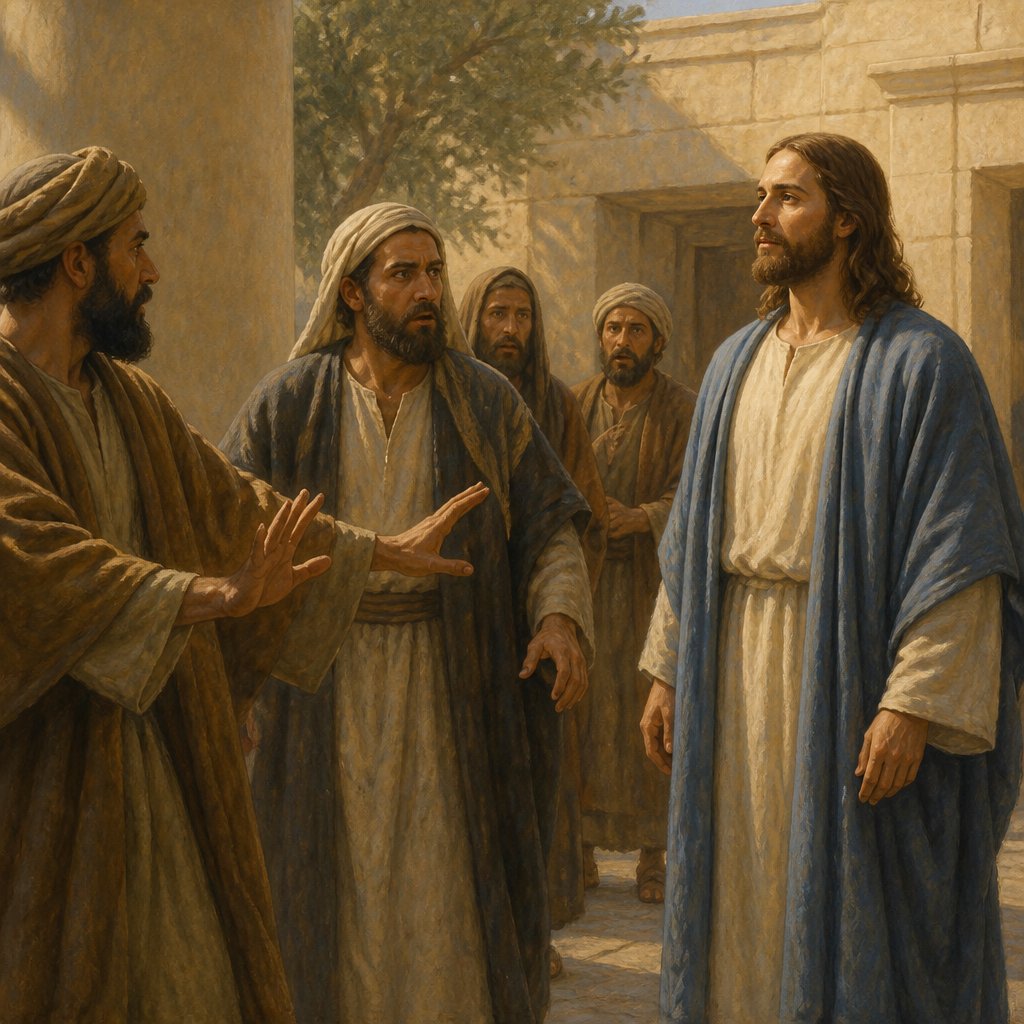
In the King James Bible, John 7:30 reads, “Then they sought to take him: but no man laid hands on him, because his hour was not yet come.” This verse comes from the New Testament, in the Gospel of John, which is primarily concerned with the divine nature of Jesus and his role as the Savior. This particular verse occurs in the context of a discourse between Jesus and a group of people who were divided in their opinions about him. Some believed he was the Messiah, while others did not. The Pharisees, in particular, were seeking to arrest Jesus, but they were unable to do so because his time had not yet come.
This verse highlights an important aspect of Jesus’ life and ministry – his divine timing. Throughout the Gospels, there are numerous instances where people attempt to harm or arrest Jesus, but he is able to elude them or slip away because it was not yet the appointed time for his death. This reinforces the idea that Jesus was in complete control of his own destiny and was following the plan of God. It also serves as a reminder that God’s timing is perfect and that everything happens according to his will.
The overarching theme of John 7:30 is the sovereignty of God and the fulfillment of his plan. This verse reflects the belief that Jesus’ life and death were part of a larger divine plan for the salvation of humanity. The idea that Jesus’ “hour” had not yet come suggests that there was a predetermined time for his crucifixion, and until that time arrived, he was protected from harm.
Additionally, this verse also speaks to the concept of divine protection. Despite the Pharisees’ intentions to seize Jesus, they were unable to do so because God was providing him with divine protection until the appointed time. This emphasizes the idea that Jesus was not a passive victim of circumstance, but an active participant in God’s plan, and that he was ultimately in control of his own fate.
From a broader theological perspective, this verse can also be seen as a demonstration of Jesus’ obedience to God’s will. Throughout the Gospels, Jesus consistently submits to the will of the Father, even when faced with persecution and suffering. In this instance, he does not resist the plot against him, but instead accepts the timing ordained by God. This underscores Jesus’ faithfulness to his mission and highlights his willingness to endure suffering for the sake of humanity.
Symbolically, the idea of Jesus’ “hour” carries great significance. It represents the culmination of his earthly ministry, leading to his crucifixion and ultimately his victory over sin and death. This notion of a specific “hour” aligns with the broader biblical theme of redemption and restoration, and it serves as a pivotal moment in God’s plan for salvation.
In conclusion, John 7:30 captures the divine timing and protection of Jesus as he faced opposition from those who sought to harm him. It underscores the sovereignty of God, the obedience of Jesus, and the fulfillment of God’s plan for the salvation of humanity. This verse offers a profound theological insight into the nature of Jesus’ earthly ministry and his ultimate sacrifice for the forgiveness of sins. It serves as a reminder of the divine timing of events and the assurance that God’s plan will ultimately be fulfilled.
Get our apps


Artwork for John 7:30

John 7:30 - "Then they sought to take him: but no man laid hands on him, because his hour was not yet come."
"Then they sought to take him: but no man laid hands on him, because his hour was not yet come." - John 7:30

John 14:30

John 10:30

John 10:30

John 3:30

John 20:30-31

John 10:30 - "I and my Father are one."

John 4:30 - "Then they went out of the city, and came unto him."

John 3:30 - "He must increase, but I must decrease."

John 8:30 - "As he spake these words, many believed on him."

Mark 11:30 - "The baptism of John, was it from heaven, or of men? answer me."
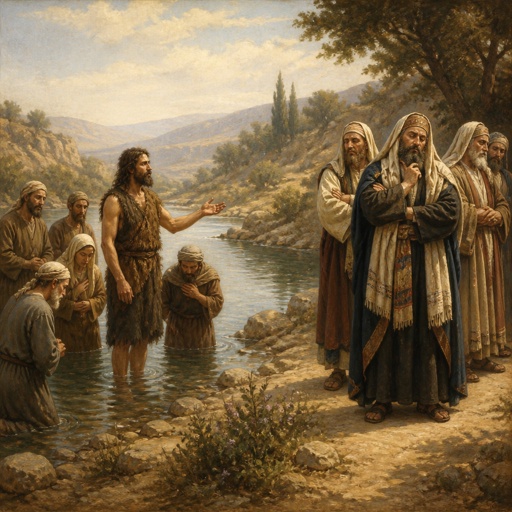
"But the Pharisees and lawyers rejected the counsel of God against themselves, being not baptized of him." - Luke 7:30

John 13:30 - "He then having received the sop went immediately out: and it was night."

"I and my Father are one." - John 10:30

John 12:30 - "Jesus answered and said, This voice came not because of me, but for your sakes."

John 11:30 - "Now Jesus was not yet come into the town, but was in that place where Martha met him."

"I and my Father are one." - John 10:30

John 7:38

John 15:7

John 7:38

John 14:30 - "Hereafter I will not talk much with you: for the prince of this world cometh, and hath nothing in me."

John 15:7

John 7:38

John 7:38

John 7:17-18

John 7:37-39

John 7:17-18

John 7:37-39

John 20:30 - "¶ And many other signs truly did Jesus in the presence of his disciples, which are not written in this book:"