What does John 7:8 mean?
“Go ye up unto this feast: I go not up yet unto this feast; for my time is not yet full come.” — John 7:8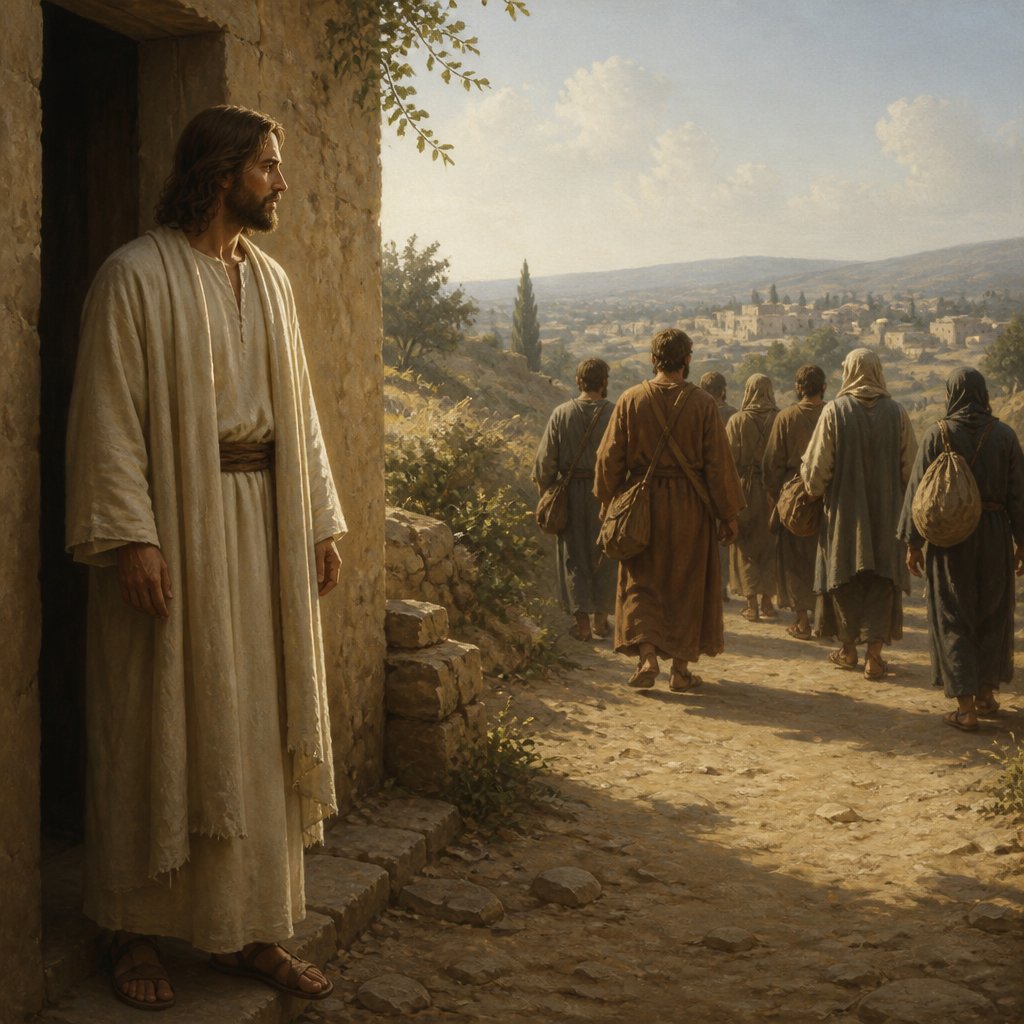
The verse John 7:8 from the King James Version of the Bible reads, "Go ye up unto this feast: I go not up yet unto this feast; for my time is not yet full come." This verse is part of a larger passage in the Book of John that tells the story of Jesus attending the Feast of Tabernacles. In this particular verse, Jesus is speaking to his disciples and telling them that he is not going to the feast just yet because his time has not yet come.
This verse carries several layers of meaning and significance within the context of the larger narrative and within the broader themes of the Gospel of John. One of the central themes in the Book of John is the idea of the divine timing and plan of God. Throughout the Gospel, Jesus frequently refers to the concept of "his time" or "the hour" which signifies the predetermined moment for him to fulfill his mission on earth, including his death and resurrection. In this verse, Jesus is once again alluding to this divine timetable, indicating that he will not go to the feast until the appointed time has come.
The Feast of Tabernacles itself is also rich with symbolism and meaning. It was one of the three major Jewish festivals, and it commemorated the Israelites' journey through the wilderness and God's faithfulness in providing for them. The feast also looked forward to the coming of the Messianic age and the final harvest. By placing this verse within the context of the Feast of Tabernacles, the Gospel of John is highlighting the significance of Jesus's timing and his role as the fulfillment of God's promises.
Furthermore, the verse also speaks to the tension and conflict surrounding Jesus's identity and mission. Throughout the Gospel of John, there is a recurring theme of misunderstanding and opposition to Jesus. In this specific instance, Jesus's statement that he will not yet go to the feast may have caused confusion or concern among his disciples and the people around him. This verse is a reminder that Jesus's actions and decisions are guided by the divine plan, even if they are not fully understood or accepted by others.
In terms of symbolism, the act of going up to the feast can be interpreted as a metaphor for Jesus's ultimate purpose and destination. Just as he delays his physical journey to the feast, he is also biding his time before he takes the ultimate journey to fulfill his mission on the cross. The verse also underscores the idea of obedience and submission to God's timing, as Jesus willingly waits for the appointed moment to carry out the Father's will.
Overall, John 7:8 from the King James Version of the Bible reflects the complex interplay of divine timing, overarching themes of fulfillment and symbolism, and the ongoing tension surrounding Jesus's identity and mission. It serves as a crucial piece in the larger narrative of the Gospel of John, capturing the profound theological and spiritual significance of Jesus's actions and teachings.
Get our apps


Artwork for John 7:8

John 7:8 - "Go ye up unto this feast: I go not up yet unto this feast; for my time is not yet full come."
"Go ye up unto this feast: I go not up yet unto this feast; for my time is not yet full come." - John 7:8

"Beloved, let us love one another, for love is from God, and whoever loves has been born of God and knows God. Anyone who does not love does not know God, because God is love." - 1 John 4:7-8

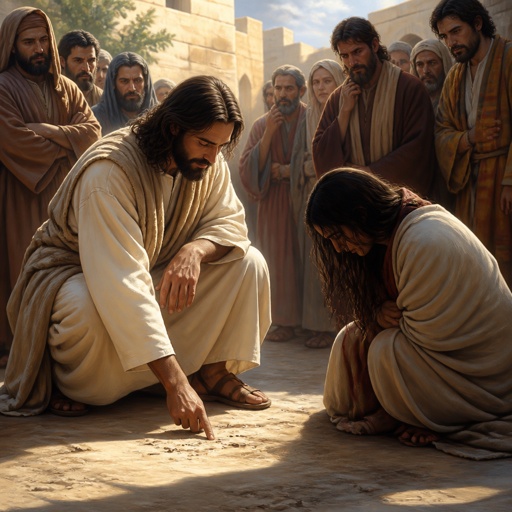
John 8:7 - "So when they continued asking him, he lifted up himself, and said unto them, He that is without sin among you, let him first cast a stone at her."
John 8

John 8

John 8:44

John 8:44

John 8:44
John 7:38

John 15:7

John 7:38

John 8:8 - "And again he stooped down, and wrote on the ground."

1 John 4:7-8 - "Beloved, let us love one another, for love is from God, and whoever loves has been born of God and knows God. Anyone who does not love does not know God, because God is love."

John 15:7-8 - "If ye abide in me, and my words abide in you, ye shall ask what ye will, and it shall be done unto you. Herein is my Father glorified, that ye bear much fruit; so shall ye be my disciples."

John 15:7

John 7:38

John 7:38

John 7:17-18

John 7:37-39

John 7:17-18

John 7:37-39

John 8:12

John 7:17-18

John 7:17-18

John 8:12

John 8:12

John 8:12

John 8:12

John 7:38