What does John 8:10 mean?
"When Jesus had lifted up himself, and saw none but the woman, he said unto her, Woman, where are those thine accusers? hath no man condemned thee?" - John 8:10
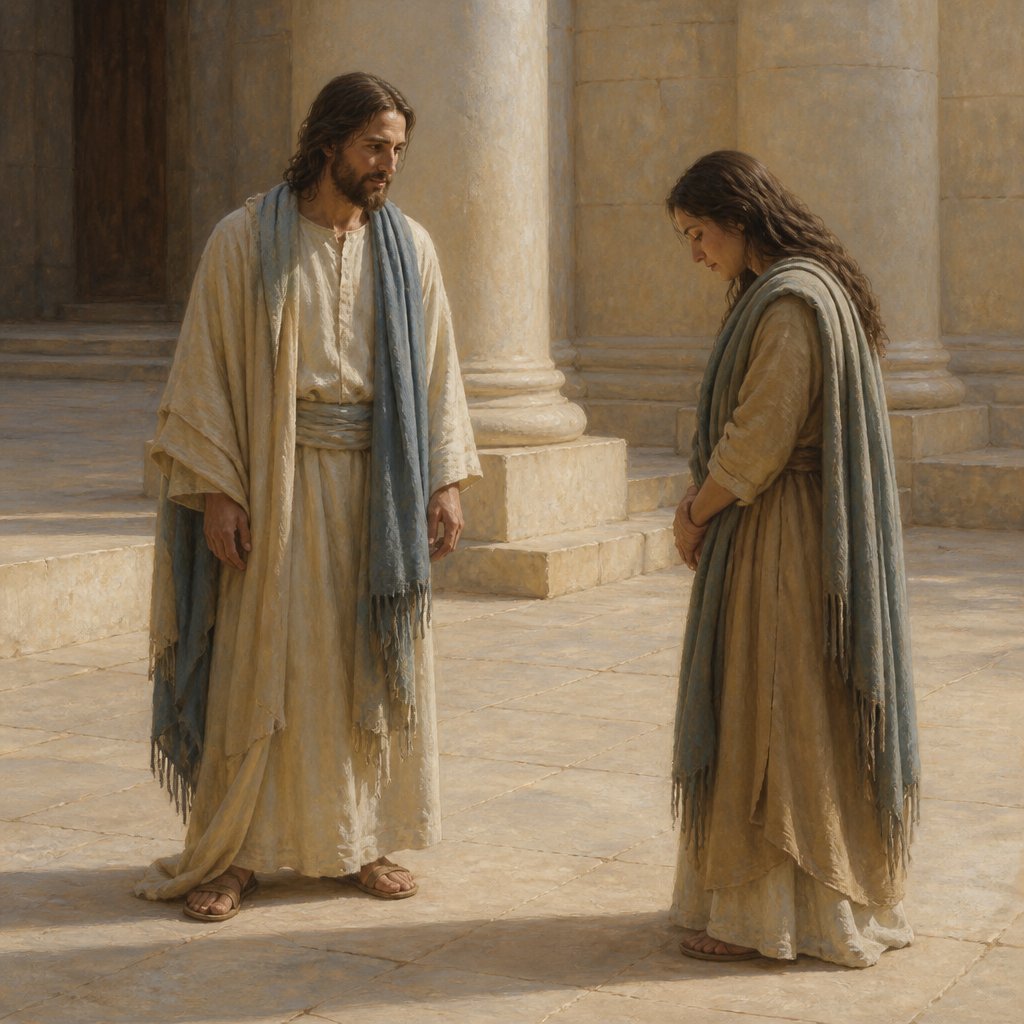
John 8:10 (KJV) reads, "When Jesus had lifted up himself, and saw none but the woman, he said unto her, Woman, where are those thine accusers? hath no man condemned thee?" This verse is part of a larger story in the Gospel of John, which tells the account of the woman caught in adultery. The story is a powerful example of Jesus' compassion and forgiveness, as well as his teachings on judgment and grace.
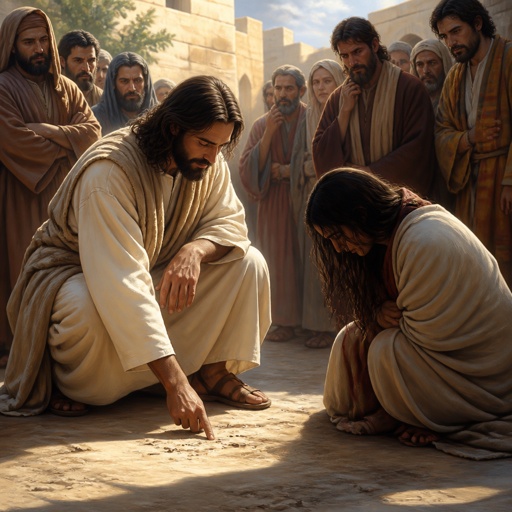
The context of this verse is crucial to understanding its meaning. In the verses preceding John 8:10, a group of scribes and Pharisees brings a woman to Jesus who was caught in the act of adultery. They ask Jesus what they should do with her, as the law of Moses commanded that such women be stoned to death. This was a test for Jesus, as the scribes and Pharisees were trying to trap him and find grounds to accuse him. Instead of responding immediately, Jesus stoops down and writes in the sand. When he finally speaks, he challenges the crowd: "He that is without sin among you, let him first cast a stone at her" (John 8:7, KJV). This statement causes the crowd to disperse one by one, leaving only Jesus and the woman.
After the crowd dissipates, Jesus asks the woman where her accusers are and if anyone has condemned her. This is a pivotal moment in the story, as it illustrates the themes of forgiveness, compassion, and mercy. Jesus, who is without sin, chooses not to condemn the woman, opting instead to show her love and understanding. Despite the fact that she was caught in a grievous sin, Jesus offers her a second chance, a fresh start, and a new beginning.
The underlying themes of this passage are central to the teachings of Jesus. Throughout the gospels, Jesus consistently demonstrates grace and forgiveness, particularly toward those who have made mistakes or are considered outcasts by society. In this instance, Jesus challenges the self-righteousness of the scribes and Pharisees and emphasizes the importance of compassion and understanding. He upholds the value of mercy over judgment, showing that God's love is not based on human standards of righteousness.
The symbolism in this verse is also rich and multifaceted. The actions of Jesus—especially his stooping to write in the sand and his offer of forgiveness to the woman—serve as symbols of humility, mercy, and redemption. Jesus' act of writing in the sand has long been a subject of debate and speculation among scholars and theologians. Some suggest that Jesus was writing the sins of the accusers in the sand, symbolizing that all humans are sinners and are in need of forgiveness. Others propose that he was writing the names of the woman's accusers, calling them out for their hypocrisy and judgmental attitude. Regardless of the specific meaning, the act of writing in the sand underscores the deeper spiritual truths that Jesus is imparting in this moment.
Furthermore, the woman herself becomes a symbol of all those who have sinned and are in need of grace. Her encounter with Jesus represents the possibility of redemption and forgiveness for all who come to him with a contrite heart. In this way, she becomes a powerful symbol of the universal human experience of guilt and the need for forgiveness.
In conclusion, John 8:10 is a profound and resonant passage that encapsulates the essence of Jesus' teachings on compassion, forgiveness, and second chances. It reminds us of the boundless love and mercy of God, and it challenges us to extend the same grace to others. The story of the woman caught in adultery is a timeless reminder that none of us are without sin, and yet we are all offered the gift of forgiveness and new life through the love of Christ.
Have questions about John 8:10?
Dive deeper into this scripture with Bible Chat — an AI-powered tool for exploring God's Word through conversation. Ask questions, get context, and grow in your understanding of the Bible.
Get Our Apps


John 8:10 Artwork

John 8:10 - "When Jesus had lifted up himself, and saw none but the woman, he said unto her, Woman, where are those thine accusers? hath no man condemned thee?"
"When Jesus had lifted up himself, and saw none but the woman, he said unto her, Woman, where are those thine accusers? hath no man condemned thee?" - John 8:10

John 10:8 - "All that ever came before me are thieves and robbers: but the sheep did not hear them."

John 10:10

John 10:10

John 10:10

John 10:10

John 10:10

John 10:10

John 10:10

"All that ever came before me are thieves and robbers: but the sheep did not hear them." - John 10:8
John 8

John 8

John 8:44

John 8:44

John 8:44

John 8:8 - "And again he stooped down, and wrote on the ground."

John 10:41 - "And many resorted unto him, and said, John did no miracle: but all things that John spake of this man were true."

John 10:30

John 8:12

John 8:12

John 8:12

John 8:12

John 8:12

John 10:30

John 10:9

John 10:9

John 10:9

John 10:40 - "And went away again beyond Jordan into the place where John at first baptized; and there he abode."

John 3:5-8