What does John 8:12 mean?
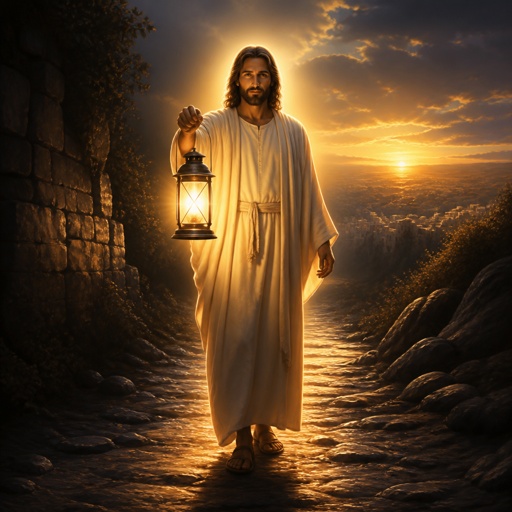
"Then spake Jesus again unto them, saying, I am the light of the world: he that followeth me shall not walk in darkness, but shall have the light of life." - John 8:12

John 8:12 in the King James Version reads, “Then spake Jesus again unto them, saying, I am the light of the world: he that followeth me shall not walk in darkness, but shall have the light of life.”
In its immediate setting, Jesus is speaking publicly in Jerusalem, addressing “them,” meaning the people around him in the temple context of John’s narrative. The verse stands as a clear self-declaration. It is not merely a description of what Jesus does, but of who he is: “I am the light of the world.” In John’s Gospel, this kind of statement carries the weight of identity and authority. Jesus is not presented as one lamp among many, nor as a guide limited to one nation or one class, but as light for “the world,” a word that widens the claim beyond Israel to all humanity, beyond one generation to every generation, and beyond private spirituality to the whole human condition.
The central symbolism is “light” versus “darkness.” In Scripture’s ordinary language, darkness can be literal night, but it is also a fitting image for ignorance, error, fear, confusion, hiddenness, and moral evil. Light, by contrast, reveals what is real; it makes a path visible; it exposes what is concealed; it gives safety for walking; it enables work and life to flourish. When Jesus calls himself “the light,” he is claiming to be the one who reveals God truly, reveals man truly, and reveals the way of salvation truly. Light does not argue a person into sight; it gives sight by shining. The verse therefore presents Jesus as God’s decisive illumination in a world otherwise unable to see rightly.
The phrase “of the world” deepens the claim. Light is not simply for an inner circle, and not only for those who already understand; it is for a world characterized in John’s broader testimony by blindness and resistance. The significance is that Jesus addresses a universal need. The world, as the place where people “walk,” needs light not only for information but for direction. In that sense, “light” is also moral and spiritual guidance. It is the opposite of wandering. It is the end of stumbling.
The verse then ties this identity claim to a promise with a condition: “he that followeth me.” The image shifts from mere seeing to walking. Life is pictured as a journey, and discipleship as movement after Jesus. To “follow” is not only to admire at a distance or agree in theory, but to take him as the leading one, to align one’s steps with his words and way. The promise is stated negatively and positively. Negatively, “shall not walk in darkness.” This does not mean the follower will never experience grief, perplexity, or trial, but it does mean that darkness will not be the defining realm in which that person lives and moves. The follower is not left to navigate by guesswork, nor abandoned to the blindness that keeps a person from recognizing God and truth.
Positively, “but shall have the light of life.” This phrase is rich because it does not only say the follower will see light, but will “have” it. The light becomes a possessed gift, an inward reality, not merely an external illumination. And it is “the light of life,” suggesting that true life and true light are inseparable. Light is not just guidance; it is vitality, awakening, and the presence of what is living. In John’s way of speaking, this points to a life that is more than biological existence: a life from God that conquers death’s meaninglessness and sin’s dominion. To have “the light of life” is to receive a kind of life that carries its own illumination—life that knows God, walks with God, and is shaped by truth.
The verse also functions as a dividing line in the chapter’s wider tension. Jesus speaks as one who bears witness to himself, and his hearers are forced to decide what to do with such a claim. If he is truly “the light of the world,” then neutrality becomes difficult: light either is welcomed and followed, or it is resisted because it exposes what darkness prefers to hide. That is part of the verse’s searching power. Light comforts those who want to see, but threatens those who wish to remain concealed.
In sum, John 8:12 presents Jesus as God’s universal, sufficient, and personal illumination. It declares that the world’s fundamental problem is not merely lack of education or opportunity, but darkness of the soul, and it offers a remedy not primarily as an idea but as a person to be followed. The significance is that Jesus claims to be the source by which people truly see, truly walk, and truly live; and the promise is that whoever follows him is not left in darkness, but is given the light that belongs to life itself.
Have questions about John 8:12?
Dive deeper into this scripture with Bible Chat — an AI-powered tool for exploring God's Word through conversation. Ask questions, get context, and grow in your understanding of the Bible.
Get Our Apps


John 8:12 Artwork

John 8:12
John 8:12

John 8:12

John 8:12

John 8:12

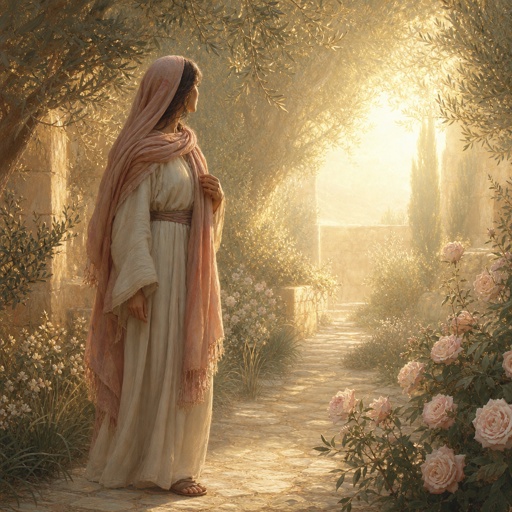
"Then spake Jesus again unto them, saying, I am the light of the world: he that followeth me shall not walk in darkness, but shall have the light of life." - John 8:12

John 8:12 - "¶ Then spake Jesus again unto them, saying, I am the light of the world: he that followeth me shall not walk in darkness, but shall have the light of life."
"Then spake Jesus again unto them, saying, I am the light of the world: he that followeth me shall not walk in darkness, but shall have the light of life." - John 8:12

"¶ Then spake Jesus again unto them, saying, I am the light of the world: he that followeth me shall not walk in darkness, but shall have the light of life." - John 8:12

John 12:8 - "For the poor always ye have with you; but me ye have not always."

"For the poor always ye have with you; but me ye have not always." - John 12:8
John 8

John 8

John 8:44

John 8:44

John 8:44

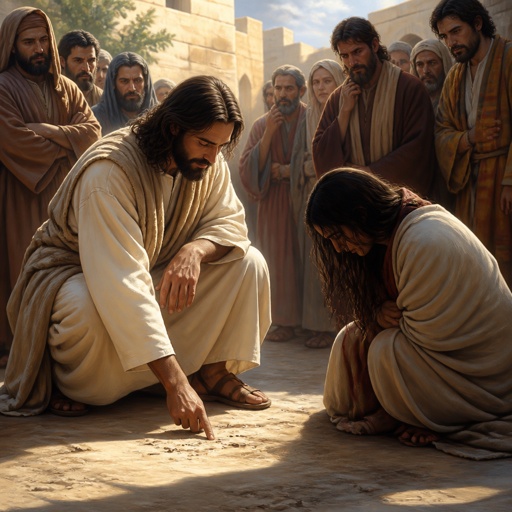
John 8:8 - "And again he stooped down, and wrote on the ground."
John 6:12

John 12:25
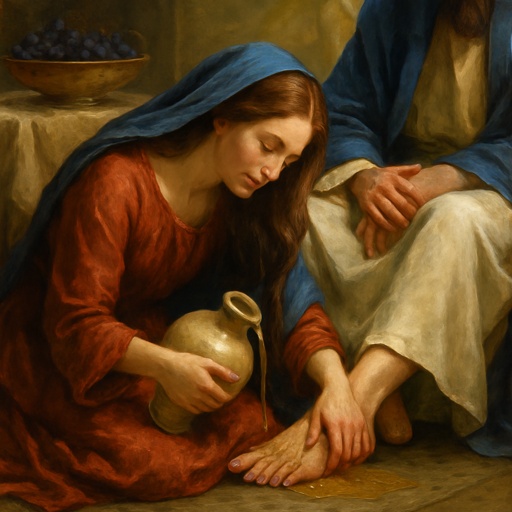
John 12:3

John 20:11-12

John 12:12 - "¶ On the next day much people that were come to the feast, when they heard that Jesus was coming to Jerusalem,"
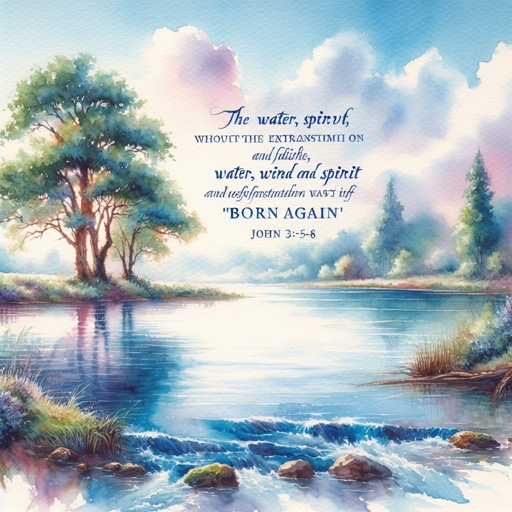
John 3:5-8

John 6:8-9

John 15:1-8

John 3:5-8

John 8:4-11

John 3:5-8

John 3:3-8

John 8:1 - "Jesus went unto the mount of Olives."