What does John 8:23 mean?
“And he said unto them, Ye are from beneath; I am from above: ye are of this world; I am not of this world.” — John 8:23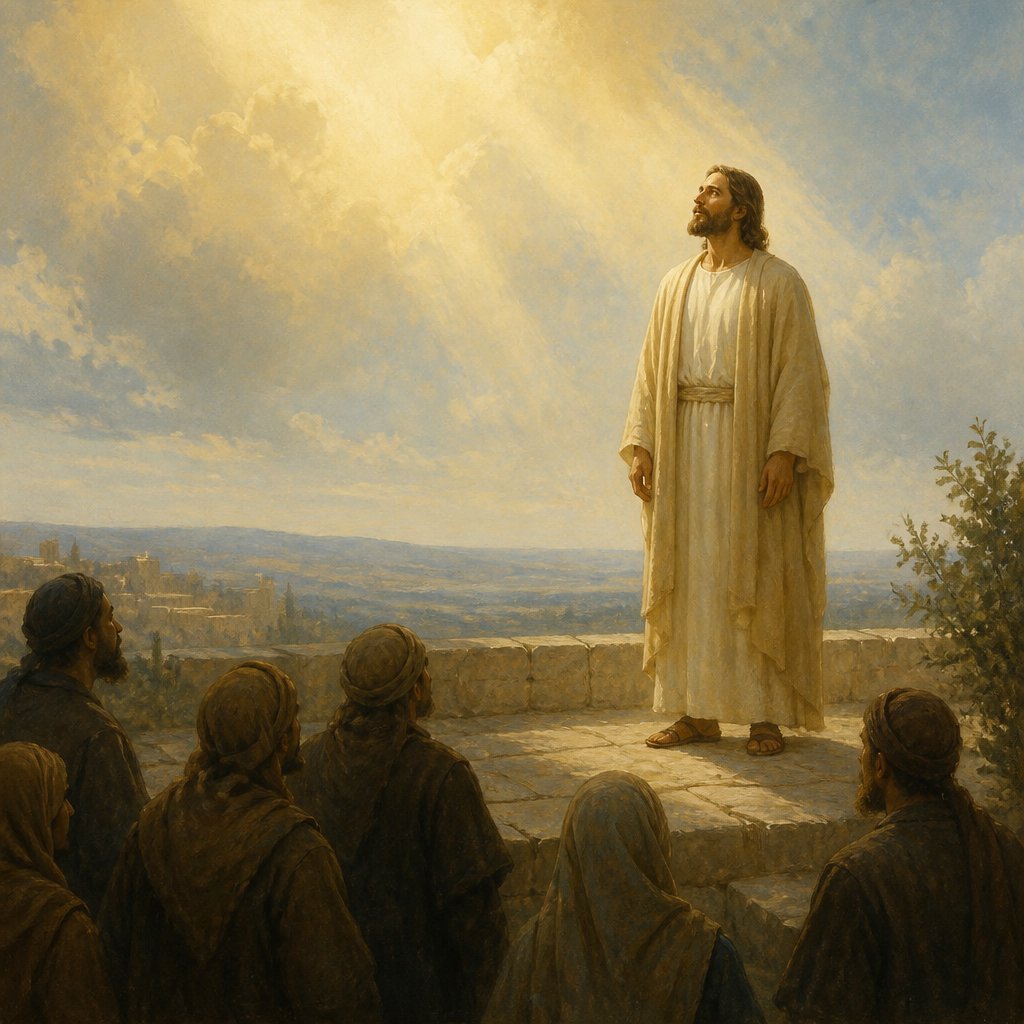
John 8:23 King James Version (KJV)
And he said unto them, Ye are from beneath; I am from above: ye are of this world; I am not of this world.
In this verse, Jesus is speaking to a group of people, making a clear distinction between them and Himself. He tells them that they are from beneath, meaning they are rooted in the things of this world, while He is from above, indicating His divine origin and nature. He further emphasizes this point by stating that the people are of this world, while He is not of this world.
This verse demonstrates several important themes and principles that are central to Christian theology and the teachings of Jesus. Firstly, it highlights the dichotomy between the spiritual and the earthly realms. Jesus is the embodiment of the divine, having come from above, while humanity is firmly rooted in the things of this world. This concept of the spiritual realm being above and separate from the earthly realm is a recurring theme in the Bible and underscores the idea that God's ways and thoughts are higher than those of humans (Isaiah 55:8-9).
Furthermore, this verse also speaks to the doctrine of the incarnation, which is the belief that Jesus, as the Son of God, took on human form and entered into the world. By asserting that He is not of this world, Jesus is affirming His divine nature and origin, while also acknowledging His presence and active involvement in the affairs of the earth. This concept is central to the Christian faith, as it speaks to the belief in the union of fully divine and fully human natures in the person of Jesus Christ.
Moreover, this verse also addresses the theme of spiritual separation and distinction. Jesus' statement serves to differentiate Himself from the people He is addressing, highlighting the chasm that exists between the ways of God and the ways of the world. This theme of separation is echoed in other parts of the Bible, such as in 2 Corinthians 6:17, where believers are called to separate themselves from the ungodly ways of the world.
In addition to these themes, this verse also holds significant contextual and symbolic meaning within the larger narrative of the Gospel of John. Throughout the book, there is a recurring theme of the contrast between light and darkness, truth and falsehood, and belief and unbelief. Jesus consistently presents Himself as the light of the world and the embodiment of truth, while also revealing the spiritual blindness and ignorance of those who reject Him.
The symbolic imagery of being "from beneath" and "from above" also carries profound implications. The idea of being from beneath evokes imagery of being rooted in the earth and the lower, worldly things, while being from above symbolizes heavenly origins and divine authority. This imagery serves to underscore the otherworldly nature of Jesus' mission and purpose, as well as the eternal significance of His teachings and redemptive work.
In conclusion, John 8:23 conveys deep theological truths and themes that are fundamental to the Christian faith. It speaks to the spiritual dichotomy between the earthly and divine realms, the doctrine of the incarnation, the theme of spiritual separation, and the symbolic contrast between worldly and heavenly origins. As believers reflect on this verse, they are challenged to consider their own allegiance and relation to the things of this world, and to embrace the transcendent and transformative truth of the Gospel.
Get our apps


Artwork for John 8:23
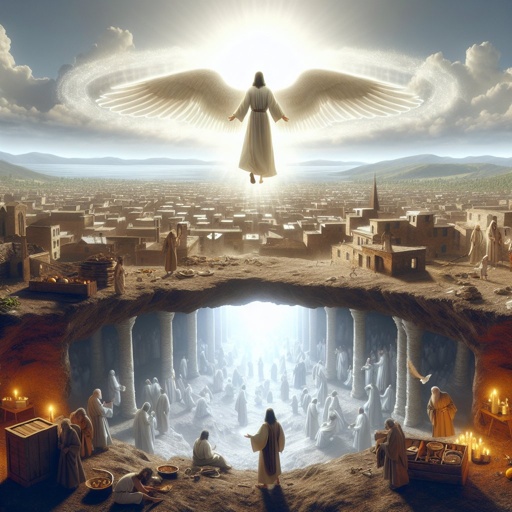
John 8:23 - "And he said unto them, Ye are from beneath; I am from above: ye are of this world; I am not of this world."
"And he said unto them, Ye are from beneath; I am from above: ye are of this world; I am not of this world." - John 8:23

John 3:23 - "¶ And John also was baptizing in Aenon near to Salim, because there was much water there: and they came, and were baptized."

John 14:23-29

John 14:23-29

John 14:23-29

John 10:23 - "And Jesus walked in the temple in Solomon's porch."

John 8
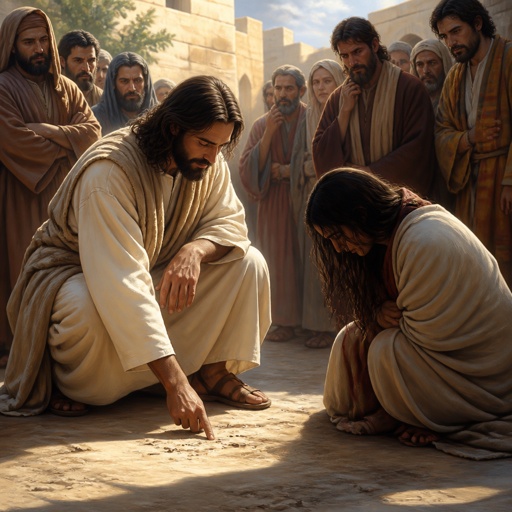
John 8

John 8:44

John 8:44

John 8:44

John 8:8 - "And again he stooped down, and wrote on the ground."

John 15:23 - "He that hateth me hateth my Father also."

John 8:12

John 9:23 - "Therefore said his parents, He is of age; ask him."

John 8:12

John 8:12

John 8:12

John 8:12

Genesis 23-8

John 3:5-8

John 6:8-9

John 15:1-8

John 3:5-8

John 8:4-11

John 13:23 - "Now there was leaning on Jesus' bosom one of his disciples, whom Jesus loved."

John 12:23 - "¶ And Jesus answered them, saying, The hour is come, that the Son of man should be glorified."

John 11:23 - "Jesus saith unto her, Thy brother shall rise again."

John 3:3-8