What does John 8:4 mean?
“They say unto him, Master, this woman was taken in adultery, in the very act.” — John 8:4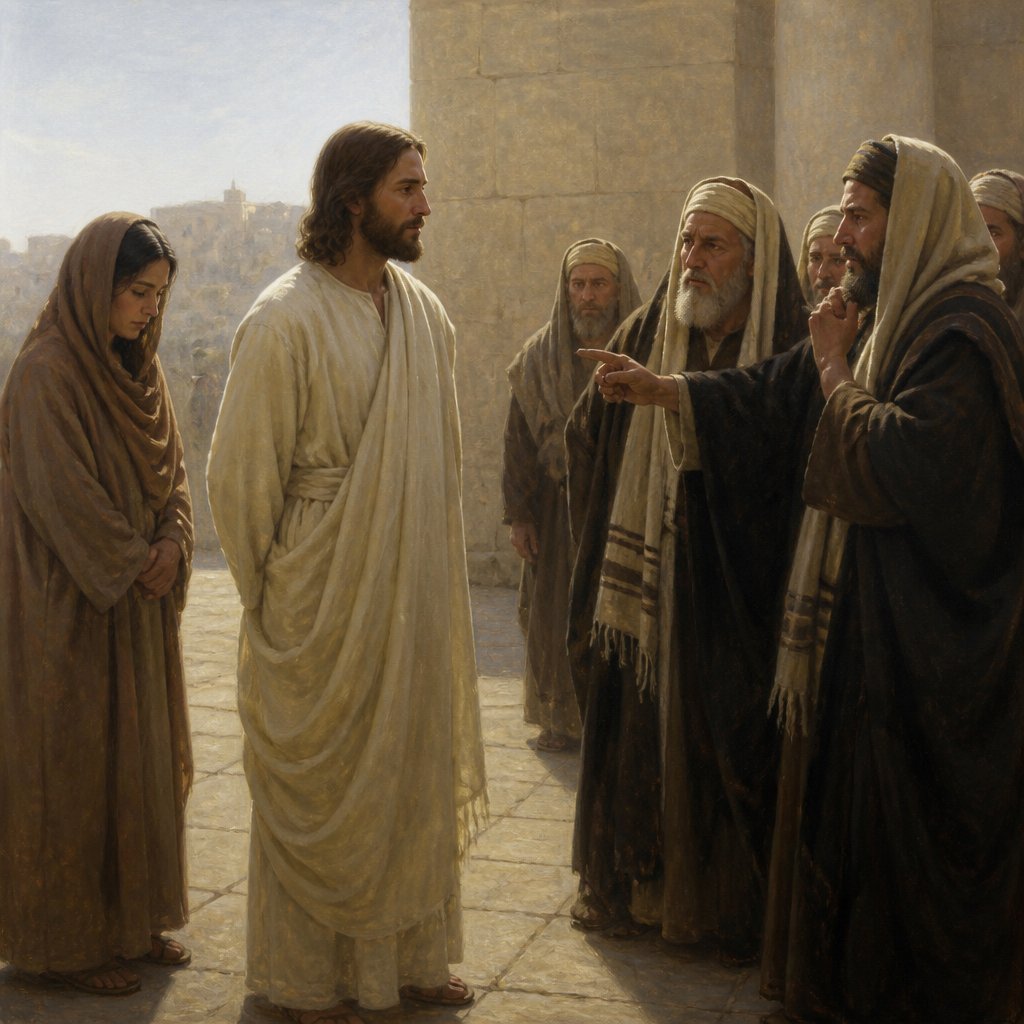
The Bible verse John 8:4 in the King James Version states, "They say unto him, Master, this woman was taken in adultery, in the very act." This verse is part of a larger passage that tells the story of a woman who was brought before Jesus by the scribes and Pharisees, who were trying to test Jesus and trap him with a question about the Mosaic Law. The passage is rich in themes of judgement, forgiveness, and grace, and offers profound insights into the nature of sin and the love of God.
The context of this verse is important for understanding its full meaning. In the verses preceding John 8:4, the scribes and Pharisees bring a woman who had been caught in the act of adultery to Jesus, seeking to trap him by presenting a dilemma. According to the Mosaic Law, such a woman was to be stoned to death. The scribes and Pharisees asked Jesus what should be done with the woman, hoping to catch him in a contradiction. If Jesus advocated for stoning the woman, they could accuse him of being harsh and lacking in compassion. If he did not, they could accuse him of defying the Law of Moses. This was a test not only of Jesus' knowledge of the Law, but also of his wisdom and compassion.
The symbolism in this passage is profound. The woman caught in adultery represents all of humanity, fallen and sinful. The scribes and Pharisees represent the self-righteous and judgmental attitudes of the religious leaders of the time, and indeed of all people who are quick to condemn others. Jesus, in this story, represents the mercy and compassion of God, and his response to the scribes and Pharisees reveals the true nature of God's love and forgiveness.
The themes in this passage are also deeply significant. The theme of judgement and forgiveness is central, as Jesus turns the tables on the scribes and Pharisees by challenging them to examine their own hearts and consciences before casting stones at the woman. This challenges us to examine our own attitudes towards others, and to remember that only God has the right to judge. The theme of grace is also present, as Jesus extends forgiveness and compassion to the woman, despite her sin. This is a powerful reminder of the boundless love and grace of God, which is available to all who come to him in repentance and faith.
The passage also sheds light on the nature of sin and the need for redemption. The woman caught in adultery was undoubtedly guilty, yet Jesus does not dismiss or excuse her sin. Instead, he offers her a chance to repent and start anew. This is a reminder that we are all sinners in need of God's grace, and that no sin is beyond the reach of God's forgiveness.
In conclusion, John 8:4 in the King James Version offers a profound meditation on the themes of judgement, forgiveness, and grace. The context and symbolism of the passage allow us to see the deep compassion and mercy of God, as well as the reality of sin and the need for redemption. This verse challenges us to examine our own attitudes towards others, and to remember the limitless love and forgiveness of God. It is a powerful reminder of the transformative power of God's grace in our lives.
Get our apps


Artwork for John 8:4

John 8:4-11

John 8:4 - "They say unto him, Master, this woman was taken in adultery, in the very act."
"They say unto him, Master, this woman was taken in adultery, in the very act." - John 8:4
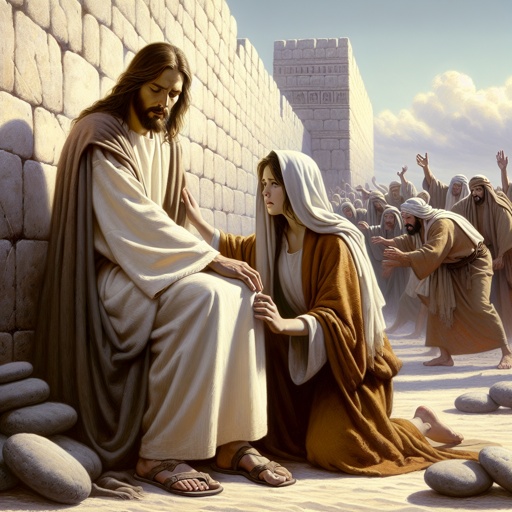
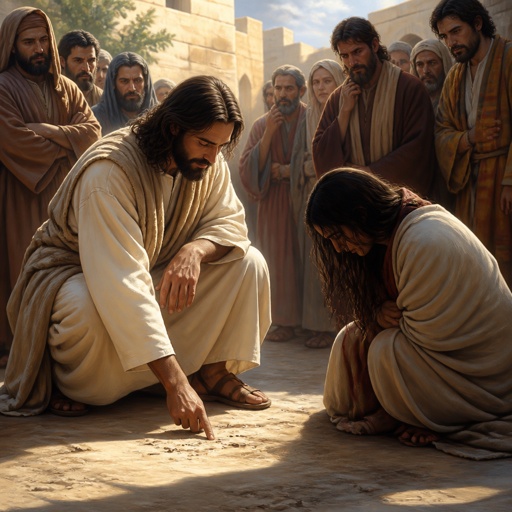
Visualize a scene from biblical times inspired by John 8:4-12, A woman is resting on one arm as she sits to the side of Jesus. Jesus is depicted as a long-haired, bearded man in loose, ancient clothing, outdoors under a sunny sky. There is a tall beige block wall behind the men in the background. The woman's demeanor communicates shame, while Jesus expresses understanding and benevolence. Jesus is writing in the dirt. There is a group of angry men standing in front of the wall holding stones
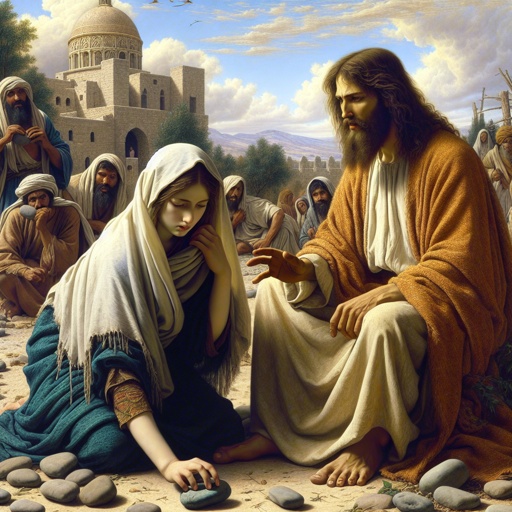
Visualize a scene from biblical times inspired by John 8:4-12, A woman is resting on one arm as she sits to the side of Jesus. Jesus is depicted as a long-haired, bearded man in loose, ancient clothing, outdoors under a sunny sky with the Jewish temple in the background. The woman's demeanor communicates shame, while Jesus expresses understanding and benevolence. Jesus is writing in the dirt. There is a group of angry men in the background holding stones

1 John 4:8 - "He that loveth not knoweth not God; for God is love."
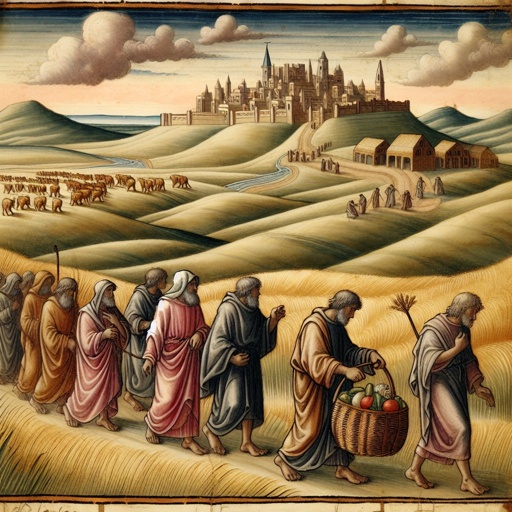
John 4:8 - "(For his disciples were gone away unto the city to buy meat.)"

"He that loveth not knoweth not God; for God is love." - 1 John 4:8
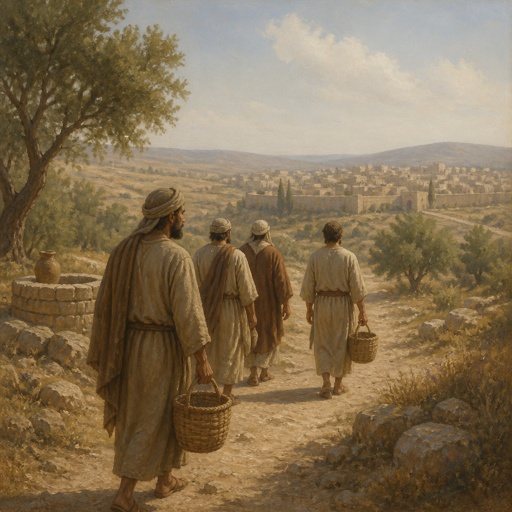
"(For his disciples were gone away unto the city to buy meat.)" - John 4:8

"Beloved, let us love one another, for love is from God, and whoever loves has been born of God and knows God. Anyone who does not love does not know God, because God is love." - 1 John 4:7-8

John 8
John 8

John 8:44

John 8:44

John 8:44

John 8:8 - "And again he stooped down, and wrote on the ground."

1 John 4:7-8 - "Beloved, let us love one another, for love is from God, and whoever loves has been born of God and knows God. Anyone who does not love does not know God, because God is love."

John 8:12

John 8:12

John 8:12

John 8:12

John 8:12

1 John 4:8-9 - "Whoever does not love does not know God, because God is love. This is how God showed his love among us: He sent his one and only Son into the world that we might live through him."

John 4:4 - "And he must needs go through Samaria."

John 3:5-8

John 6:8-9

John 15:1-8

John 3:5-8

John 4:16

John 3:4