What does John 8:49 mean?
“Jesus answered, I have not a devil; but I honour my Father, and ye do dishonour me.” — John 8:49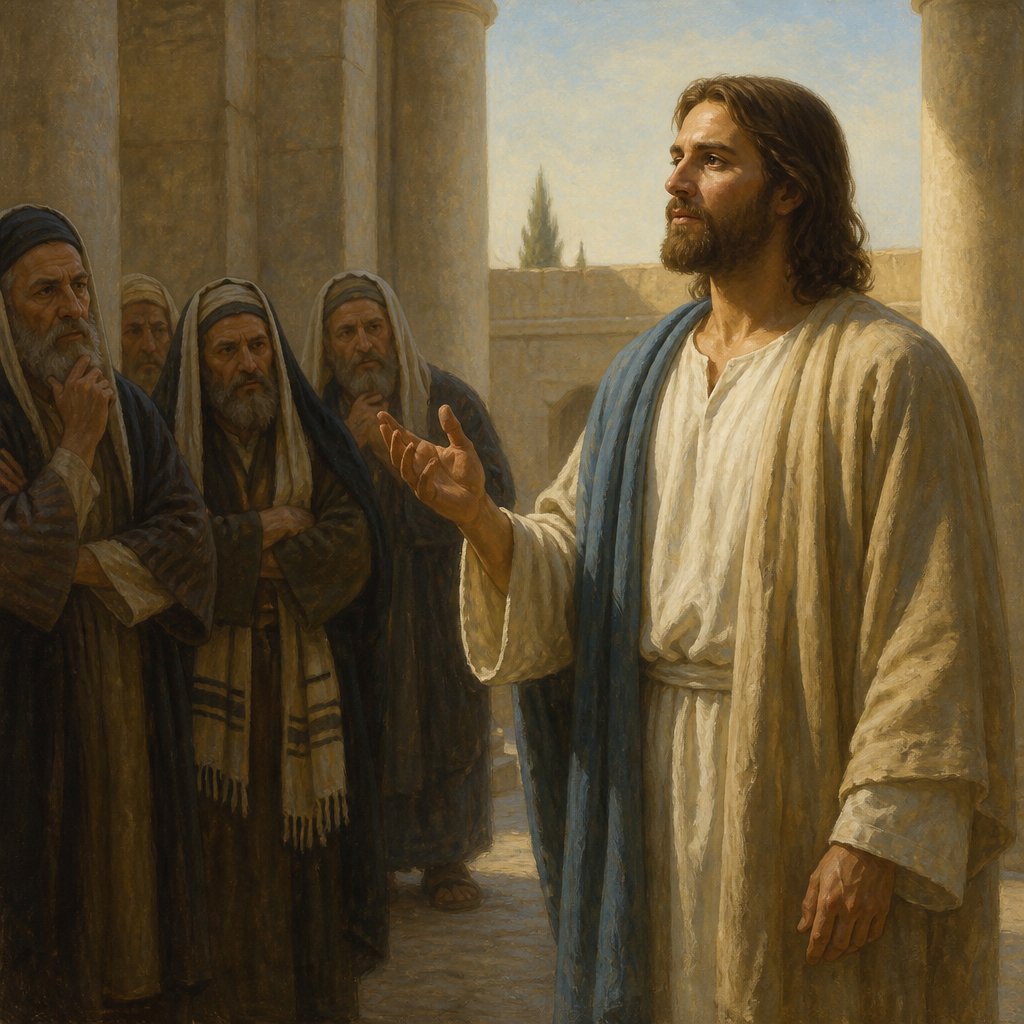
John 8:49 in the King James Version of the Bible reads, "Jesus answered, I have not a devil; but I honour my Father, and ye do dishonour me." This verse is part of a larger passage in the Gospel of John, where Jesus is engaged in a heated debate with the Jews who are challenging His authority and questioning His true identity. This verse is a response from Jesus to the accusations and insults directed at Him by the Jews.
There are several key themes and concepts present in this verse. One of the most significant themes is the idea of honor and dishonor. Jesus is expressing His deep commitment to honoring His Father, who is God, and contrasting that with the dishonor He is experiencing from the Jews. This theme of honor and dishonor is a recurring one throughout the New Testament, particularly in relation to the relationship between Jesus and God, and the treatment of Jesus by those who reject Him.
Another important theme in this verse is the assertion of Jesus' true nature and identity. In response to the Jews' accusation that He has a devil or is possessed by evil, Jesus emphatically denies this and reaffirms His commitment to honoring His Father. This is a clear statement of Jesus' divinity and His alignment with God's will. Throughout the Gospels, Jesus repeatedly defends His identity as the Son of God and the Messiah, and this verse is another example of His unwavering confidence in His true nature.
The context of this verse is also crucial to understanding its significance. It comes at a moment of intense confrontation between Jesus and the Jewish religious leaders. They are challenging Him, trying to discredit Him, and ultimately seeking to destroy Him. In this charged atmosphere, Jesus' response serves as a powerful declaration of His commitment to God and His refusal to be swayed by the dishonor and rejection He is experiencing.
Symbolism is also present in this verse, particularly in the contrast between honor and dishonor. Jesus represents ultimate honor and righteousness, while the Jews who are opposing Him symbolize dishonor and unbelief. This symbolism reflects the larger spiritual conflict between good and evil, and the ongoing battle for the souls of humanity.
In conclusion, John 8:49 is a profound and significant verse in the Gospel of John. It encapsulates important themes of honor and dishonor, the assertion of Jesus' true identity, and the spiritual symbolism of good versus evil. This verse is a powerful reminder of Jesus' unwavering commitment to God and His mission, even in the face of intense opposition and rejection. It serves as a source of inspiration and encouragement for believers to remain steadfast in their faith, regardless of the dishonor and rejection they may face.
Get our apps


Artwork for John 8:49

John 8:49 - "Jesus answered, I have not a devil; but I honour my Father, and ye do dishonour me."
"Jesus answered, I have not a devil; but I honour my Father, and ye do dishonour me." - John 8:49

John 7:49 - "But this people who knoweth not the law are cursed."

John 6:49 - "Your fathers did eat manna in the wilderness, and are dead."
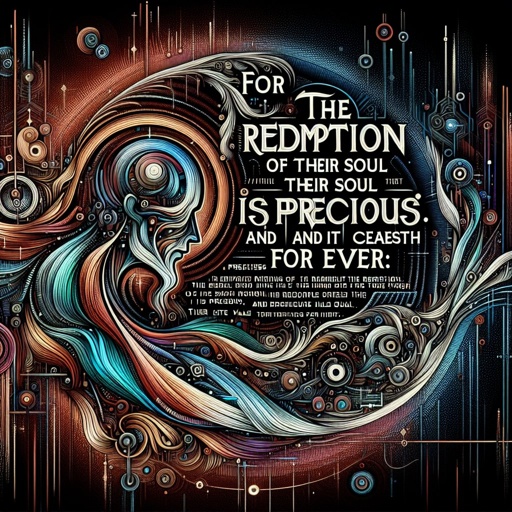
Psalms 49:8 - "(For the redemption of their soul is precious, and it ceaseth for ever:)"

"But this people who knoweth not the law are cursed." - John 7:49
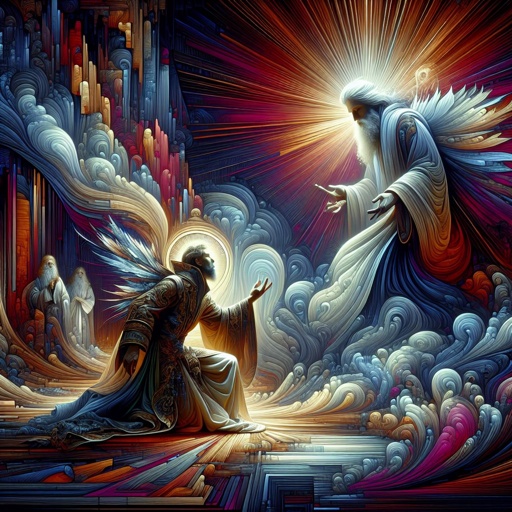
John 4:49 - "The nobleman saith unto him, Sir, come down ere my child die."
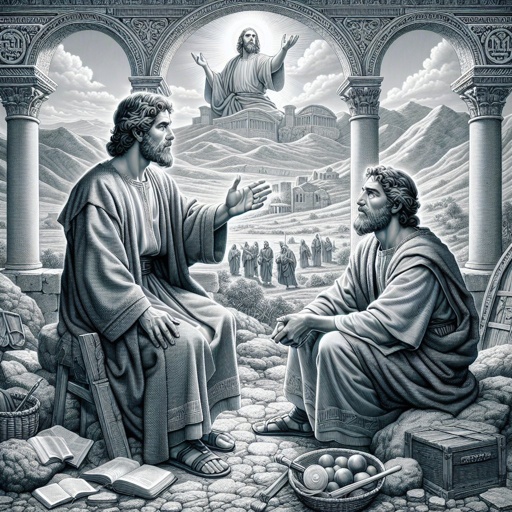
John 1:49 - "Nathanael answered and saith unto him, Rabbi, thou art the Son of God; thou art the King of Israel."

1 Kings 8:49 - "Then hear thou their prayer and their supplication in heaven thy dwelling place, and maintain their cause,"
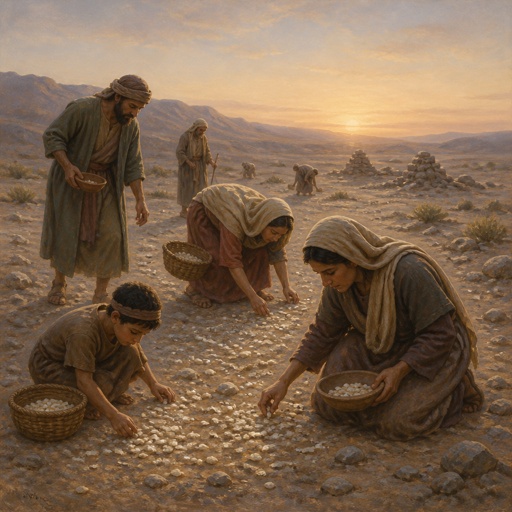
"Your fathers did eat manna in the wilderness, and are dead." - John 6:49

John 11:49 - "And one of them, named Caiaphas, being the high priest that same year, said unto them, Ye know nothing at all,"

"(For the redemption of their soul is precious, and it ceaseth for ever:)" - Psalms 49:8

John 1:49 - "Nathanael answered and saith unto him, Rabbi, thou art the Son of God; thou art the King of Israel."

Luke 9:49 - "¶ And John answered and said, Master, we saw one casting out devils in thy name; and we forbad him, because he followeth not with us."
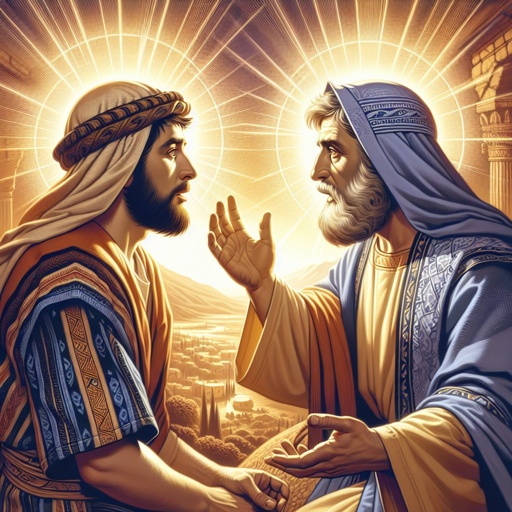
John 1:49 - "Nathanael answered and saith unto him, Rabbi, thou art the Son of God; thou art the King of Israel."

John 12:49 - "For I have not spoken of myself; but the Father which sent me, he gave me a commandment, what I should say, and what I should speak."

Luke 8:49 - "¶ While he yet spake, there cometh one from the ruler of the synagogue's house, saying to him, Thy daughter is dead; trouble not the Master."

Jeremiah 49:8 - "Flee ye, turn back, dwell deep, O inhabitants of Dedan; for I will bring the calamity of Esau upon him, the time that I will visit him."
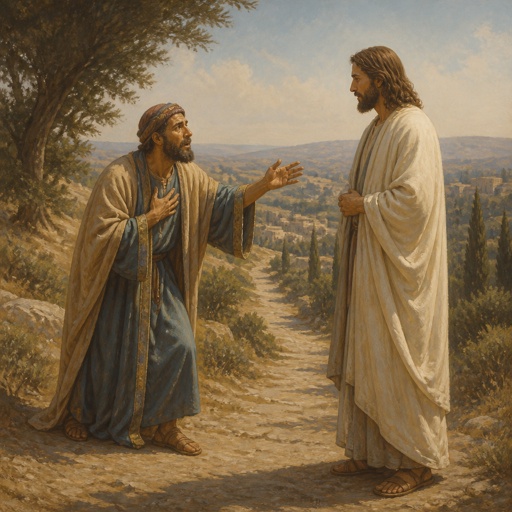
"The nobleman saith unto him, Sir, come down ere my child die." - John 4:49
John 8

John 8

John 8:44

John 8:44

John 8:44

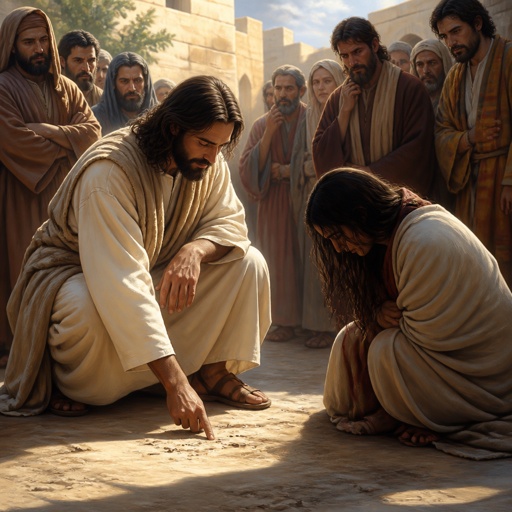
John 8:8 - "And again he stooped down, and wrote on the ground."

John 8:12
John 8:12

John 8:12

John 8:12

John 8:12