What does John 8:52 mean?
“Then said the Jews unto him, Now we know that thou hast a devil. Abraham is dead, and the prophets; and thou sayest, If a man keep my saying, he shall never taste of death.” — John 8:52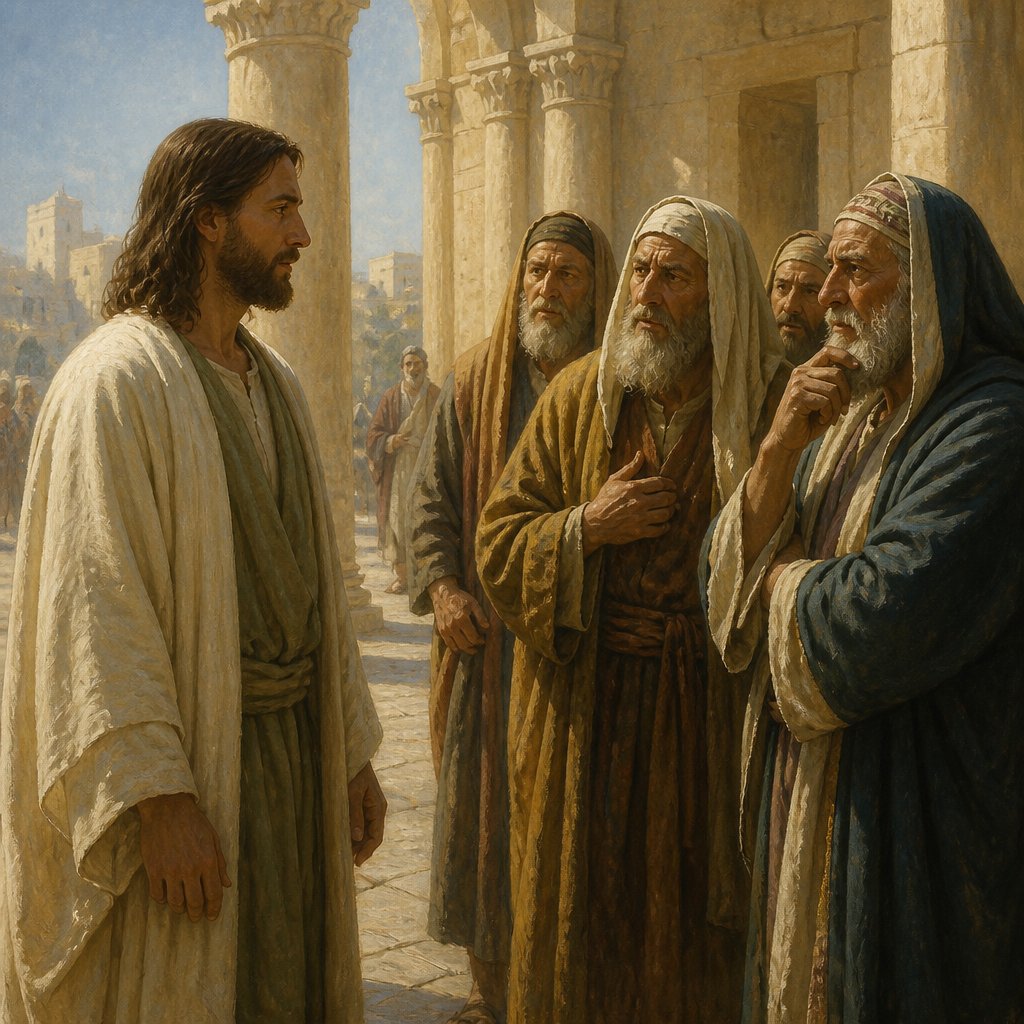
John 8:52 in the King James Version of the Bible reads: "Then said the Jews unto him, Now we know that thou hast a devil. Abraham is dead, and the prophets; and thou sayest, If a man keep my saying, he shall never taste of death."
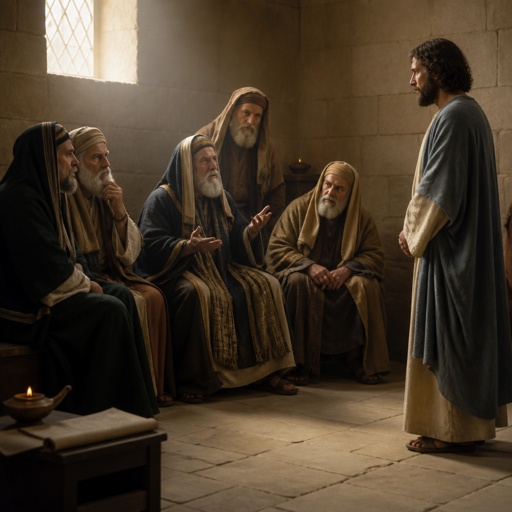
In this verse, the Jews are accusing Jesus of having a devil because they are unable to comprehend the profound spiritual truth he was proclaiming. They argue that Abraham and the prophets are dead, so how could Jesus claim that those who keep his words would never experience death? This verse resonates with a powerful message about faith, eternal life, and the divine nature of Jesus.
The context of this verse is important in understanding its full meaning. In the preceding verses, Jesus had been engaged in a heated debate with the Jews, asserting his divinity and explaining that he is the light of the world and the Son of God. The Jews were unable to accept his claims and were resistant to his message, leading to their accusation that he had a devil. This chapter in the book of John is part of a series of confrontations between Jesus and the religious leaders of the time, highlighting the growing tension and opposition to his teachings.
The theme of faith and eternal life is central to John 8:52. Jesus is asserting that those who keep his words and believe in him will never taste of death, indicating the promise of eternal life. This challenges the conventional understanding of death and introduces the concept of spiritual life beyond the physical realm. The Jews' inability to grasp this concept reflects their lack of faith and spiritual insight, as they fail to recognize the divine nature of Jesus and the eternal salvation he offers.
The symbolism in this verse is profound, as it speaks to the essence of Jesus' identity and the message of salvation. Jesus's claim that those who keep his saying will never taste of death points to the transformative power of his teachings and the promise of eternal life through faith in him. This statement also foreshadows Jesus's own death and resurrection, as he offers himself as the ultimate sacrifice for the forgiveness of sins and the gift of eternal life.
The accusation of the Jews that Jesus has a devil reflects their refusal to acknowledge his divine nature and the spiritual truth he embodies. Throughout the Gospels, Jesus faces opposition and disbelief from the religious establishment, who are unable to accept his radical message of love, mercy, and redemption. This verse exemplifies the clash between earthly thinking and divine truth, highlighting the challenge of accepting and embracing the profound mysteries of faith.
In conclusion, John 8:52 is a pivotal verse in the Gospel of John, encapsulating the themes of faith, eternal life, and the divine nature of Jesus. It reveals the tension and disbelief that Jesus faced from the Jews, highlighting the spiritual blindness and resistance to his message. This verse also offers a profound insight into the promise of eternal life through faith in Jesus, emphasizing the transformative power of his teachings and the hope of salvation. As believers, we are called to embrace the profound truth of Jesus's words and to trust in the promise of eternal life that he offers.
Get our apps


Artwork for John 8:52
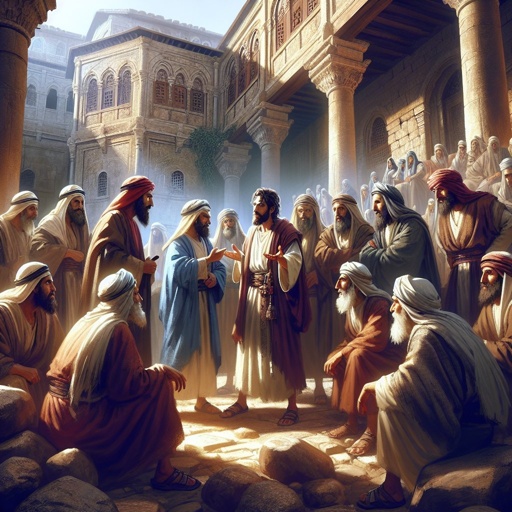
John 8:52 - "Then said the Jews unto him, Now we know that thou hast a devil. Abraham is dead, and the prophets; and thou sayest, If a man keep my saying, he shall never taste of death."
"Then said the Jews unto him, Now we know that thou hast a devil. Abraham is dead, and the prophets; and thou sayest, If a man keep my saying, he shall never taste of death." - John 8:52

John 11:52 - "And not for that nation only, but that also he should gather together in one the children of God that were scattered abroad."

John 7:52 - "They answered and said unto him, Art thou also of Galilee? Search, and look: for out of Galilee ariseth no prophet."
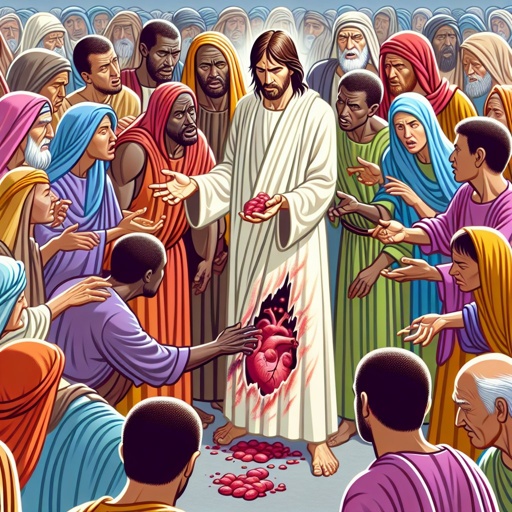
John 6:52 - "The Jews therefore strove among themselves, saying, How can this man give us his flesh to eat?"

Luke 8:52 - "And all wept, and bewailed her: but he said, Weep not; she is not dead, but sleepeth."

John 4:52 - "Then enquired he of them the hour when he began to amend. And they said unto him, Yesterday at the seventh hour the fever left him."

Psalms 52:8 - "But I am like a green olive tree in the house of God: I trust in the mercy of God for ever and ever."
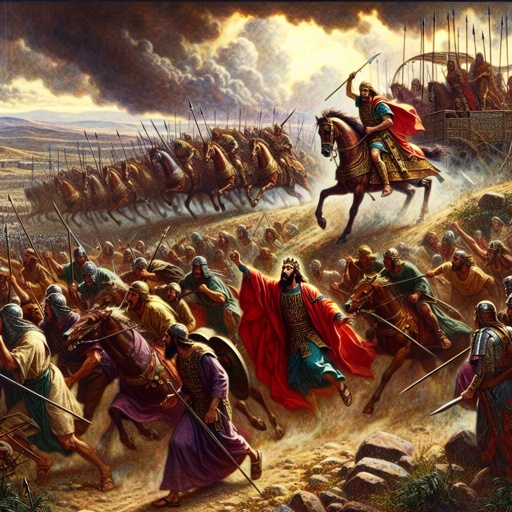
Jeremiah 52:8 - "¶ But the army of the Chaldeans pursued after the king, and overtook Zedekiah in the plains of Jericho; and all his army was scattered from him."

Isaiah 52:8 - "Thy watchmen shall lift up the voice; with the voice together shall they sing: for they shall see eye to eye, when the LORD shall bring again Zion."

1 Kings 8:52 - "That thine eyes may be open unto the supplication of thy servant, and unto the supplication of thy people Israel, to hearken unto them in all that they call for unto thee."
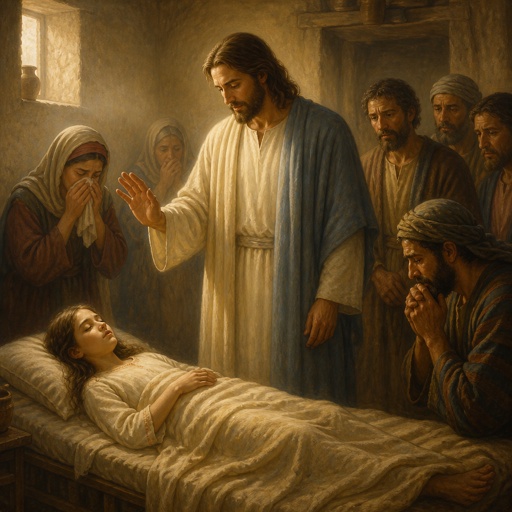
"And all wept, and bewailed her: but he said, Weep not; she is not dead, but sleepeth." - Luke 8:52
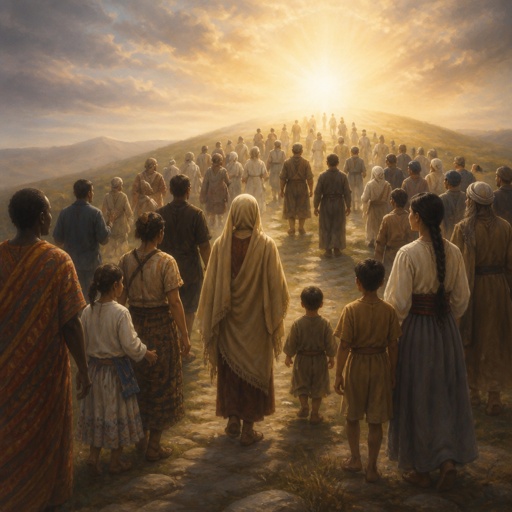
"And not for that nation only, but that also he should gather together in one the children of God that were scattered abroad." - John 11:52

John 8

John 8

John 8:44
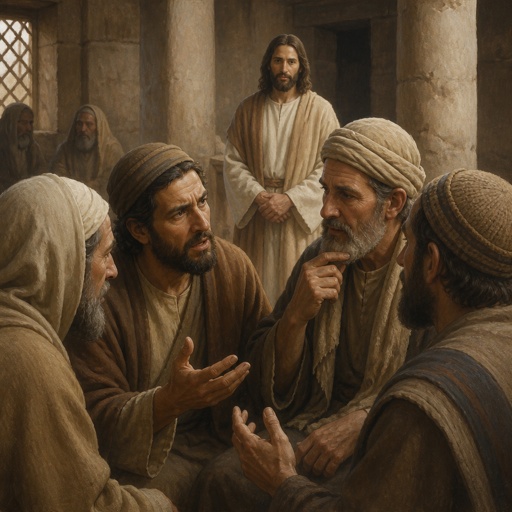
"The Jews therefore strove among themselves, saying, How can this man give us his flesh to eat?" - John 6:52
"They answered and said unto him, Art thou also of Galilee? Search, and look: for out of Galilee ariseth no prophet." - John 7:52

John 8:44

John 8:44

John 8:8 - "And again he stooped down, and wrote on the ground."

John 8:12

John 8:12

John 8:12

John 8:12

John 8:12

"But I am like a green olive tree in the house of God: I trust in the mercy of God for ever and ever." - Psalms 52:8

John 3:5-8

John 6:8-9

John 15:1-8