What does John 8:53 mean?
“Art thou greater than our father Abraham, which is dead? and the prophets are dead: whom makest thou thyself?” — John 8:53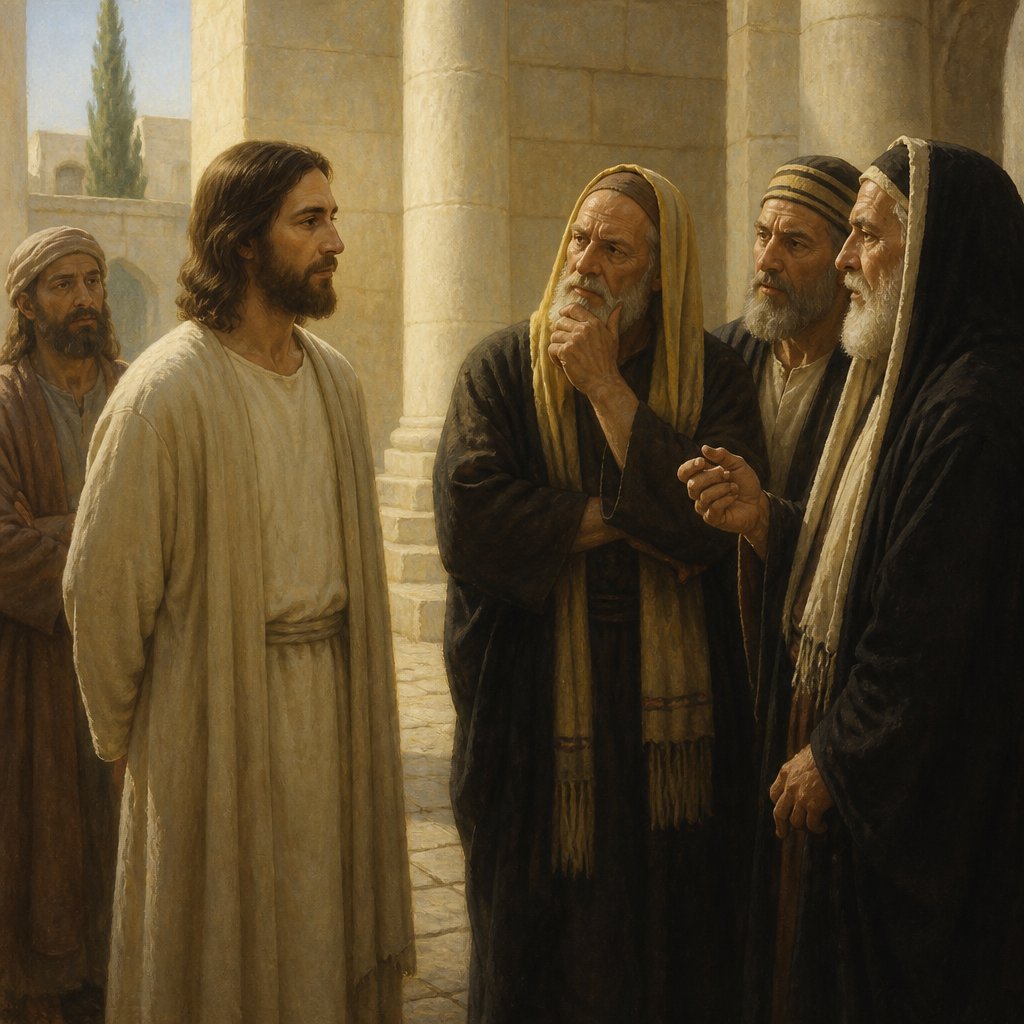
In John 8:53, the passage states: "Art thou greater than our father Abraham, which is dead? and the prophets are dead: whom makest thou thyself?"
This verse takes place in the Gospel of John, which is the fourth book of the New Testament. The Gospel of John is unique among the four gospels in that it emphasizes the divinity of Jesus Christ. The account of Jesus' interaction with the Jews in this passage reveals the tension and conflict between Jesus and the religious leaders of the time.
In this particular verse, the Jews are questioning Jesus' authority and identity. They ask if he is greater than their father Abraham, who holds a revered place in Jewish tradition as the father of their faith. They also mention the prophets, who are similarly esteemed figures in Jewish history. The implication of their question is that Jesus, as a mere human, cannot possibly exceed the greatness of these esteemed figures.
This passage reveals one of the central themes of the Gospel of John: the identity of Jesus as the Son of God. Throughout the gospel, Jesus makes several "I am" statements, declaring his divinity and unique relationship with God the Father. The conflict between Jesus and the Jewish leaders stems from their refusal to accept his claims and believe in his divine nature.
The context of this verse is also important in understanding its significance. Prior to this exchange, Jesus had been teaching in the temple, and the religious leaders sought to discredit him. They continually questioned his authority and sought to trap him in his words. This passage is part of a larger dialogue in which Jesus reveals his divine nature and confronts the unbelief of the Jewish leaders.
The symbolism in this verse is significant, as it points to the central message of the Gospel of John. Jesus' claim to be greater than Abraham and the prophets is a bold assertion of his divinity. The Jews' refusal to accept his identity underscores the theme of belief and unbelief that runs throughout the gospel. The tension between Jesus and the religious leaders serves to highlight the contrast between those who accept him as the Son of God and those who reject him.
Overall, John 8:53 is a pivotal verse in the Gospel of John, as it captures the essence of the conflict between Jesus and the religious leaders of his time. Through this passage, the gospel emphasizes the divinity of Jesus and the necessity of belief in his identity as the Son of God. It serves as a reminder of the central message of the gospel: that Jesus is the light of the world, and those who believe in him will have eternal life.
Get our apps


Artwork for John 8:53
John 8:53 - "Art thou greater than our father Abraham, which is dead? and the prophets are dead: whom makest thou thyself?"
"Art thou greater than our father Abraham, which is dead? and the prophets are dead: whom makest thou thyself?" - John 8:53

John 7:53 - "And every man went unto his own house."

John 11:53 - "Then from that day forth they took counsel together for to put him to death."

Luke 8:53 - "And they laughed him to scorn, knowing that she was dead."

"And every man went unto his own house." - John 7:53

John 4:53 - "So the father knew that it was at the same hour, in the which Jesus said unto him, Thy son liveth: and himself believed, and his whole house."

"And they laughed him to scorn, knowing that she was dead." - Luke 8:53

"Then from that day forth they took counsel together for to put him to death." - John 11:53

Isaiah 53:8 - "He was taken from prison and from judgment: and who shall declare his generation? for he was cut off out of the land of the living: for the transgression of my people was he stricken."

1 Kings 8:53 - "For thou didst separate them from among all the people of the earth, to be thine inheritance, as thou spakest by the hand of Moses thy servant, when thou broughtest our fathers out of Egypt, O Lord GOD."

John 8
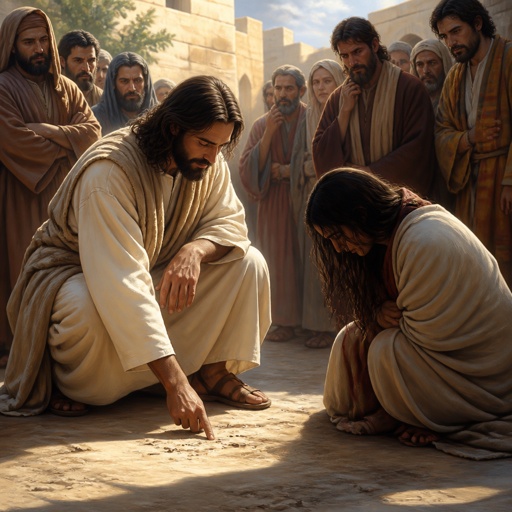
John 8

John 8:44

John 8:44

John 8:44

John 8:8 - "And again he stooped down, and wrote on the ground."

John 8:12
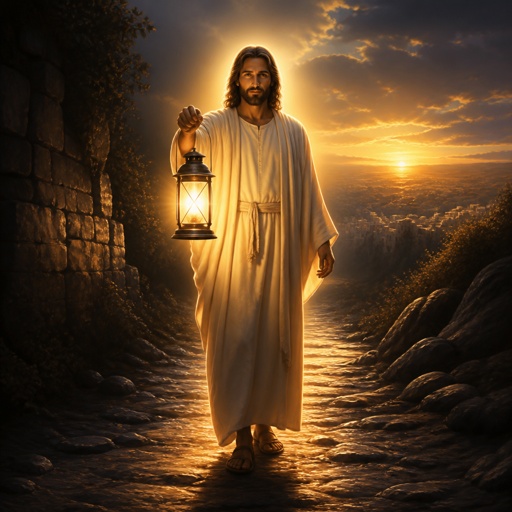
John 8:12

John 8:12

John 8:12

John 8:12
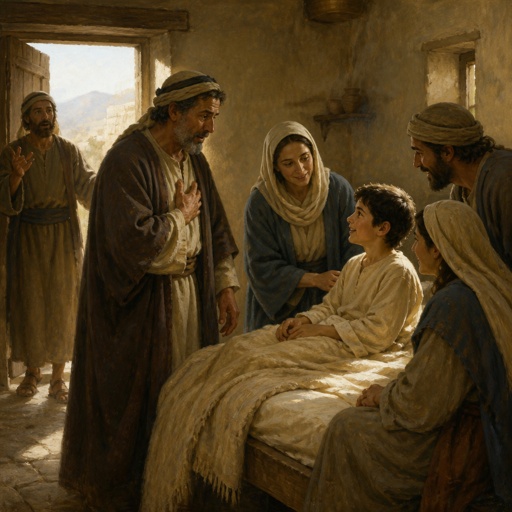
"So the father knew that it was at the same hour, in the which Jesus said unto him, Thy son liveth: and himself believed, and his whole house." - John 4:53
John 3:5-8

John 6:8-9

John 15:1-8

John 3:5-8

John 8:4-11

John 3:3-8

John 3:5-8