What does John 8:56 mean?
“Your father Abraham rejoiced to see my day: and he saw it, and was glad.” — John 8:56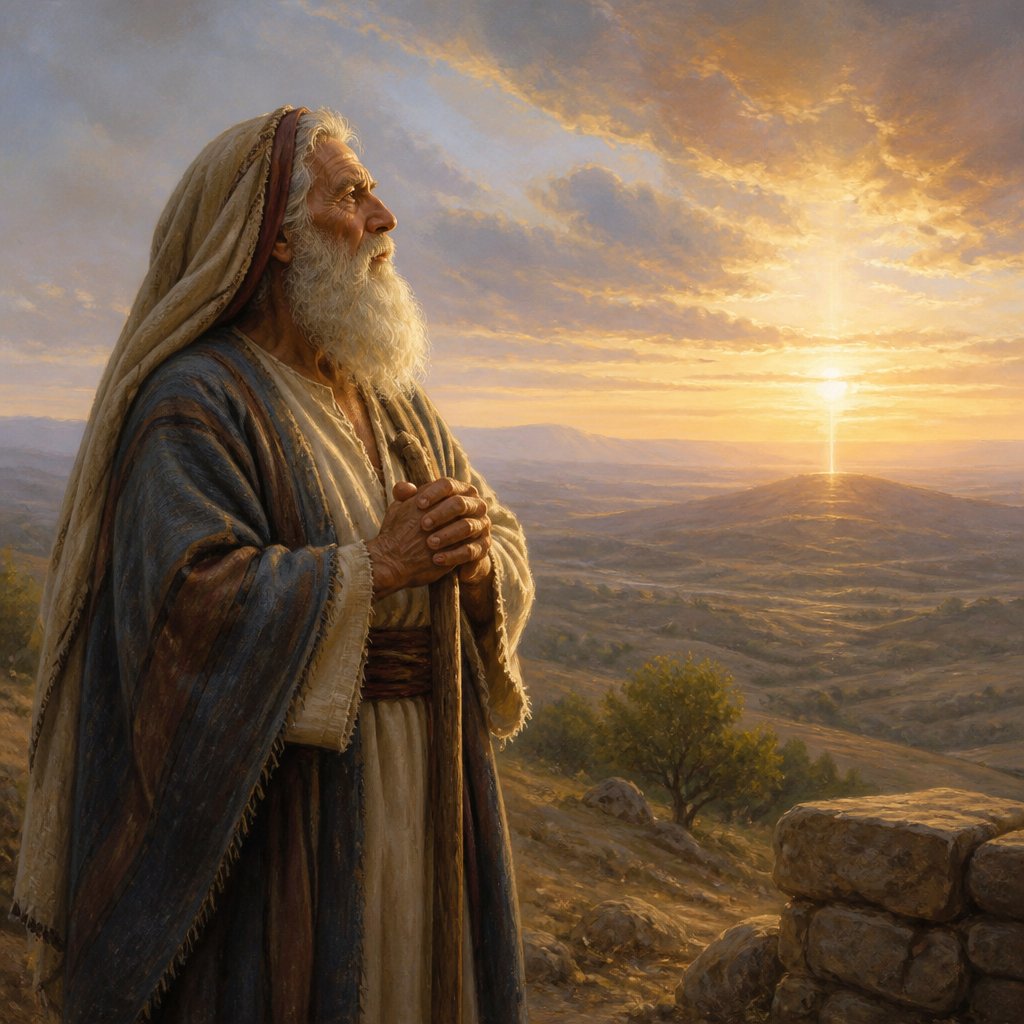
John 8:56 – "Your father Abraham rejoiced to see my day: and he saw it, and was glad."
In this verse, Jesus is speaking to a group of Jewish religious leaders, who are questioning him about his identity. Jesus had just claimed to be "the light of the world" (John 8:12), and the religious leaders were skeptical of his claims. They were quick to point out that Jesus was not even 50 years old, so how could he have seen Abraham? In response, Jesus makes the bold statement that Abraham rejoiced to see his day and that he actually saw it.
This verse is rich in theological and historical significance. To truly understand the depth and meaning of this statement, we must delve into the themes, context, and symbolism found within the verse.
The theme of prophecy and fulfillment is central to this verse. Jesus is claiming that Abraham, the father of the Jewish faith, had foreseen and rejoiced at the coming of Jesus. This idea is consistent with the larger biblical theme of God's plan of salvation being revealed and fulfilled through the course of history. The Old Testament is filled with prophecies about the coming Messiah, and Jesus is asserting that he is the fulfillment of those prophecies.
The context of the verse is also crucial to understanding its significance. At this point in the book of John, Jesus is facing increasing opposition from the religious leaders. They are questioning his authority and his claims about himself. In response, Jesus repeatedly points to the fact that his identity and mission are rooted in the plan of God as revealed in the scriptures. In this particular instance, Jesus is asserting that his coming was not a sudden or unexpected event, but rather the fulfillment of God's long-standing plan for salvation.
The symbolism in this verse lies in the figure of Abraham. In Jewish tradition, Abraham is revered as the father of the faith, the one to whom God made the covenant promises. By invoking the name of Abraham, Jesus is claiming a lineage and a continuity with the Jewish faith. He is not presenting himself as a radical departure from the past, but rather as the culmination and fulfillment of the promises made to Abraham and his descendants.
Furthermore, the use of past tense in Jesus' statement - "Abraham rejoiced to see my day: and he saw it, and was glad" - is significant. Jesus is not simply claiming that he existed before Abraham, but that Abraham had a present experience of joy and gladness in relation to him. This bold assertion of preexistence and divine nature would have been shocking to the religious leaders, and it forms a central part of the theological claims made by Jesus in the gospel of John.
In conclusion, John 8:56 is a pivotal verse that encapsulates the profound claims and truths central to the Christian faith. It speaks to the continuity of God's plan of salvation, the fulfillment of biblical prophecy, and the divinity of Jesus Christ. It challenges us to consider the implications of Jesus' identity and mission for our own lives and faith. As we reflect on this verse, we are invited to consider the significance of this declaration for our understanding of God's purposes in history and for our own relationship with Jesus.
Get our apps


Artwork for John 8:56

John 8:56 - "Your father Abraham rejoiced to see my day: and he saw it, and was glad."
"Your father Abraham rejoiced to see my day: and he saw it, and was glad." - John 8:56
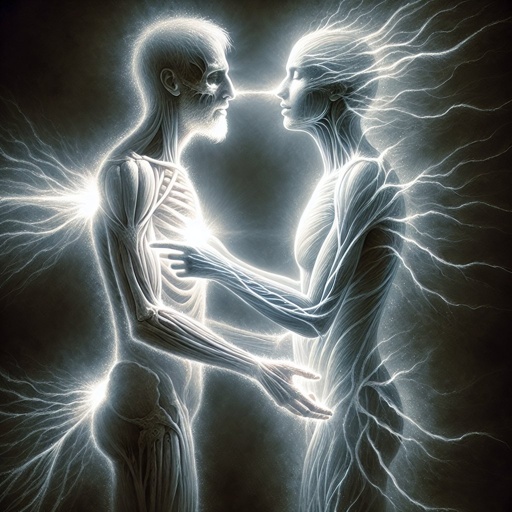
John 6:56 - "He that eateth my flesh, and drinketh my blood, dwelleth in me, and I in him."
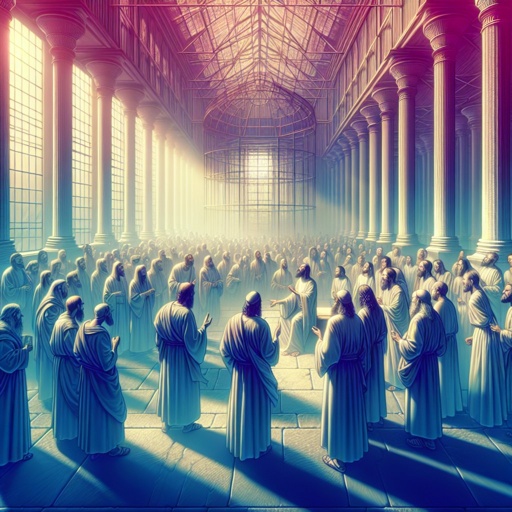
John 11:56 - "Then sought they for Jesus, and spake among themselves, as they stood in the temple, What think ye, that he will not come to the feast?"

Psalms 56:8 - "Thou tellest my wanderings: put thou my tears into thy bottle: are they not in thy book?"

Luke 8:56 - "And her parents were astonished: but he charged them that they should tell no man what was done."
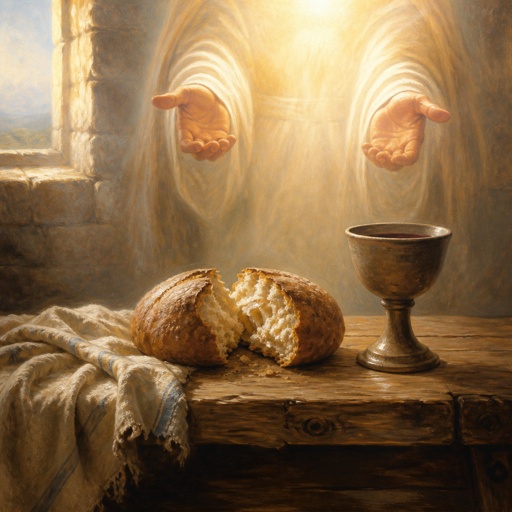
"He that eateth my flesh, and drinketh my blood, dwelleth in me, and I in him." - John 6:56

Isaiah 56:8 - "The Lord GOD which gathereth the outcasts of Israel saith, Yet will I gather others to him, beside those that are gathered unto him."

Luke 8:54-56 (KJVA) 54 And he put them all out, and took her by the hand, and called, saying, Maid, arise. 55 And her spirit came again, and she arose straightway: and he commanded to give her meat. 56 And her parents were astonished: but he charged them that they should tell no man what was done.
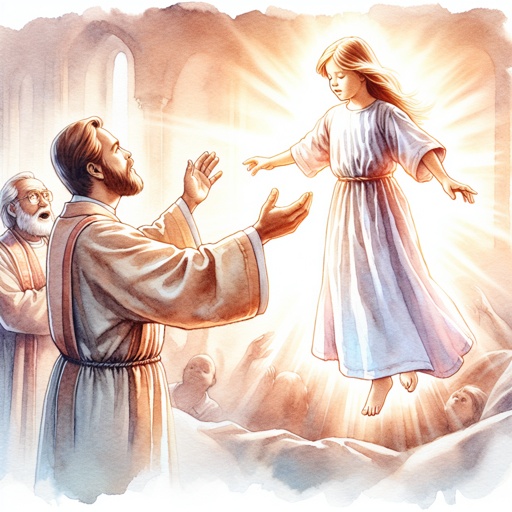
Luke 8:54-56 (KJVA) 54 And he put them all out, and took her by the hand, and called, saying, Maid, arise. 55 And her spirit came again, and she arose straightway: and he commanded to give her meat. 56 And her parents were astonished: but he charged them that they should tell no man what was done.
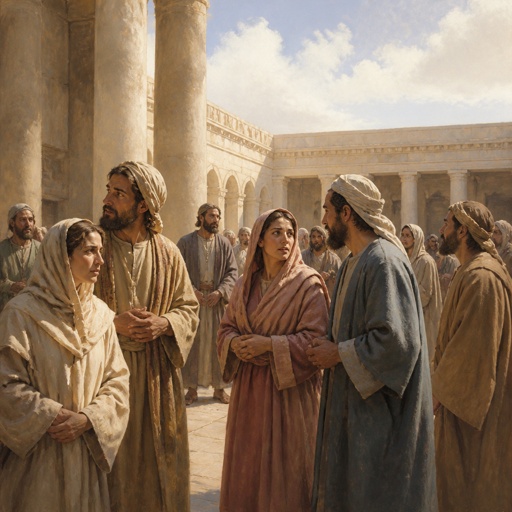
"Then sought they for Jesus, and spake among themselves, as they stood in the temple, What think ye, that he will not come to the feast?" - John 11:56
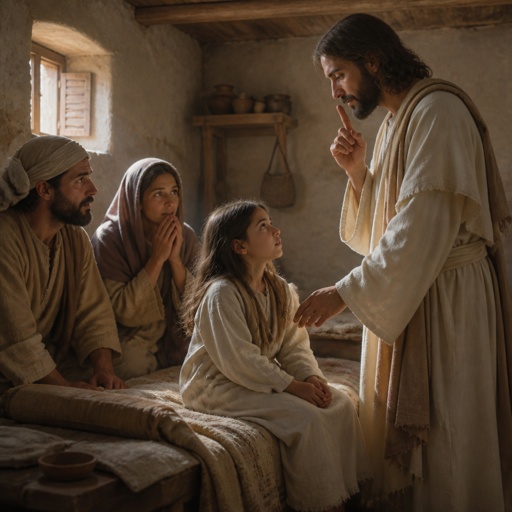
"And her parents were astonished: but he charged them that they should tell no man what was done." - Luke 8:56
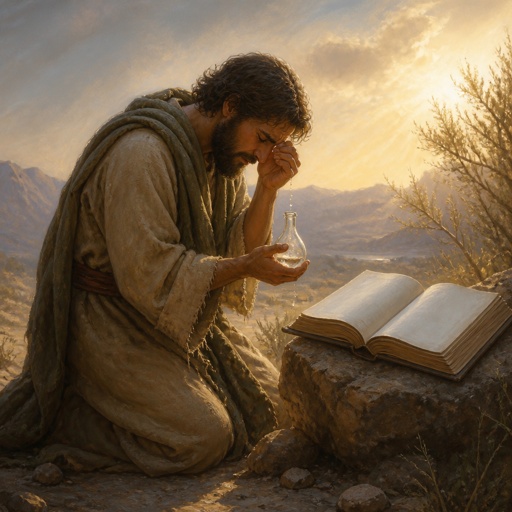
"Thou tellest my wanderings: put thou my tears into thy bottle: are they not in thy book?" - Psalms 56:8
John 8

John 8

John 8:44
1 Kings 8:56 - "Blessed be the LORD, that hath given rest unto his people Israel, according to all that he promised: there hath not failed one word of all his good promise, which he promised by the hand of Moses his servant."

John 8:44

John 8:44

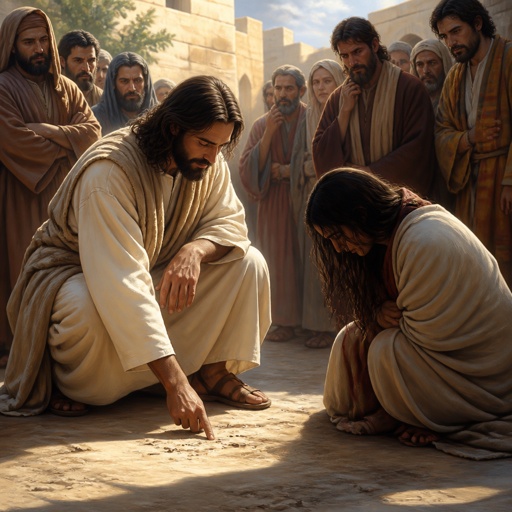
John 8:8 - "And again he stooped down, and wrote on the ground."

John 8:12
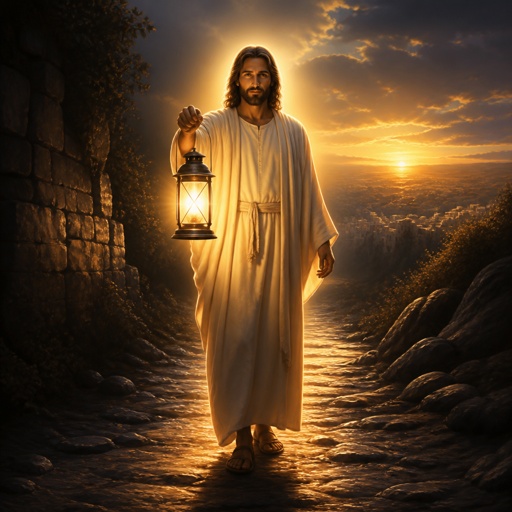
John 8:12

John 8:12

John 8:12

John 8:12
John 3:5-8

John 6:8-9

John 15:1-8

John 3:5-8

John 8:4-11