What does John 9:12 mean?
“Then said they unto him, Where is he? He said, I know not.” — John 9:12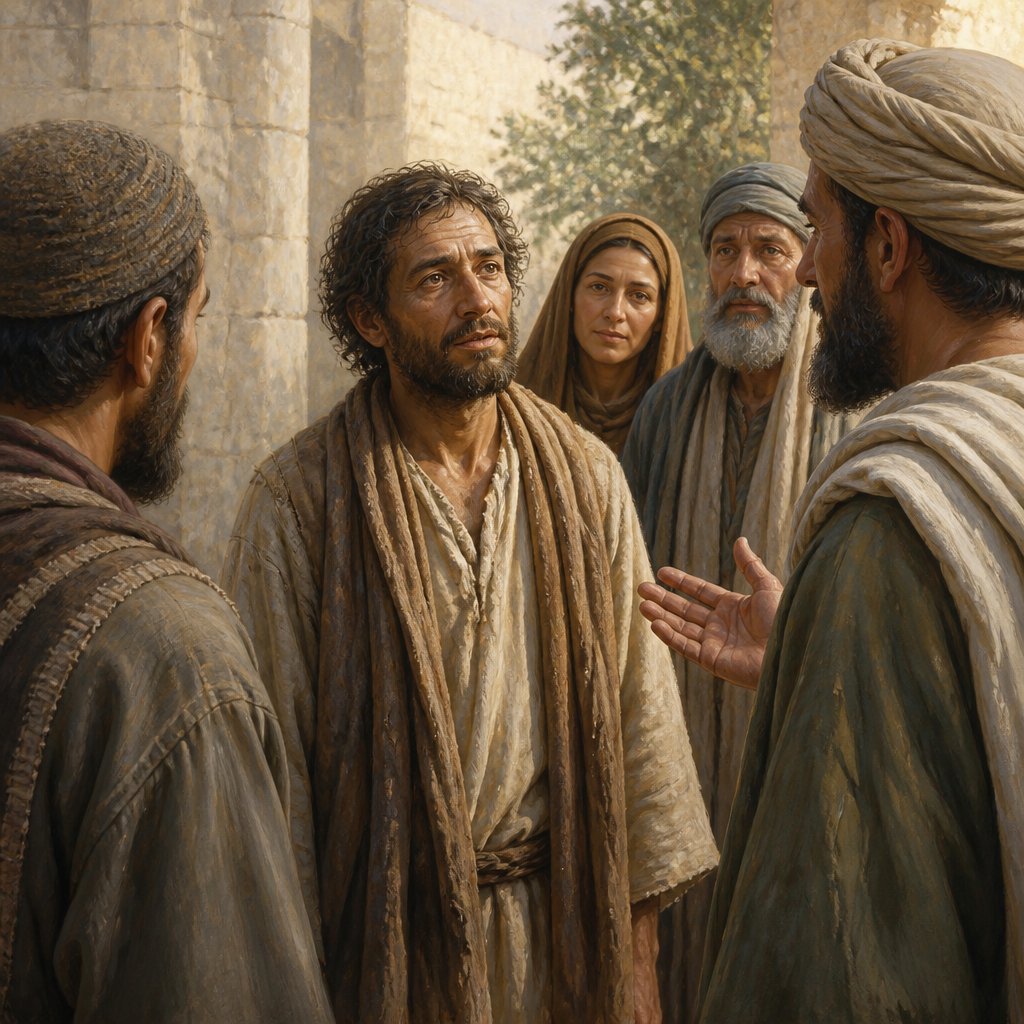
John 9:12 (KJV) reads, "Then said they unto him, Where is he? He said, I know not." This verse is part of a larger story about Jesus healing a man who was born blind. It takes place in the ninth chapter of the Gospel of John, where Jesus and his disciples encounter the man on the Sabbath day. This verse is spoken by the man who was blind when the Pharisees question him about Jesus' whereabouts after the healing.
The themes present in this verse include faith, uncertainty, and the limits of human knowledge. The Pharisees, who were leaders in the Jewish community, represent religious authority and tradition. Their questioning reflects skepticism and doubt about the miracle that took place. On the other hand, the man who was healed shows humility and honesty in his response, admitting that he does not know where Jesus is.
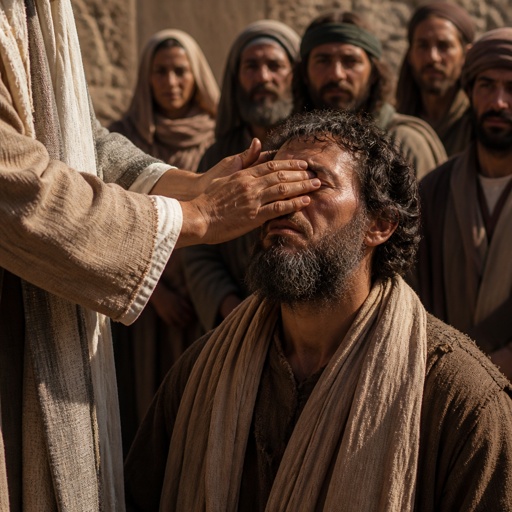
The context of this verse is important for understanding its significance. In the preceding verses, Jesus is described as making clay with his saliva, anointing the man's eyes, and then instructing him to wash in the pool of Siloam. This act of healing on the Sabbath day caused controversy among the religious leaders, who accused Jesus of breaking the Sabbath law. The man who was healed becomes a central figure in the ensuing debate, as he is questioned about the identity and authority of the one who healed him.
The symbolism in this verse can be understood on multiple levels. On a literal level, the man's response indicates his lack of knowledge about Jesus' whereabouts. This highlights the mystery and unknowable nature of divine intervention. It also serves as a contrast to the Pharisees, who claim to have knowledge and authority but ultimately lack understanding of the divine.
On a deeper level, the man's response can be seen as a reflection of the limitations of human understanding. Throughout the Gospel of John, the theme of spiritual blindness is prominent. In this context, the man who was physically blind but then healed represents a metaphor for spiritual enlightenment. His admission of not knowing where Jesus is demonstrates a humble acknowledgment of his own limitations, which stands in contrast to the pride and arrogance of the Pharisees.
Additionally, the question "Where is he?" can be seen as a symbolic inquiry into the presence of Jesus in our lives. In a broader theological sense, it prompts us to consider where we can find Jesus in the world today, especially in the midst of skepticism, doubt, and opposition. The man's response of "I know not" acknowledges the mystery and elusiveness of divine presence, inviting us to contemplate the ways in which we can encounter Jesus in our own lives.
In conclusion, John 9:12 (KJV) holds rich meaning and significance within its larger context. It conveys themes of faith, uncertainty, and the limits of human knowledge, while also presenting symbolism that prompts deeper reflection on spiritual enlightenment and the presence of Jesus in our lives. This verse serves as a reminder of the humility and openness required to encounter the divine, and it challenges us to consider where and how we might find Jesus in the world around us.
Get our apps


Artwork for John 9:12

John 9:12 - "Then said they unto him, Where is he? He said, I know not."
"Then said they unto him, Where is he? He said, I know not." - John 9:12

John 12:9 - "Much people of the Jews therefore knew that he was there: and they came not for Jesus' sake only, but that they might see Lazarus also, whom he had raised from the dead."
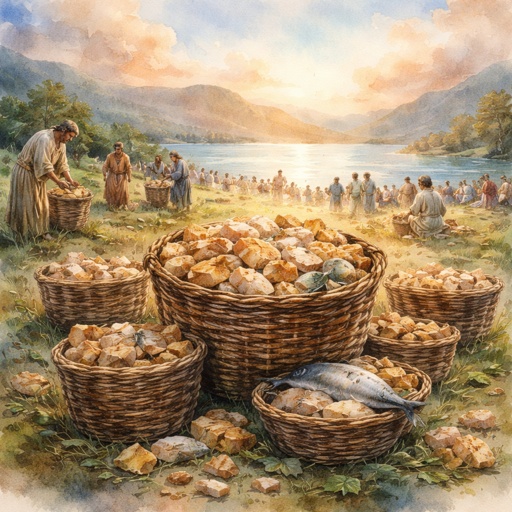
John 6:12

John 8:12

john 21:9

John 12:25

John 8:12

John 8:12

John 8:12
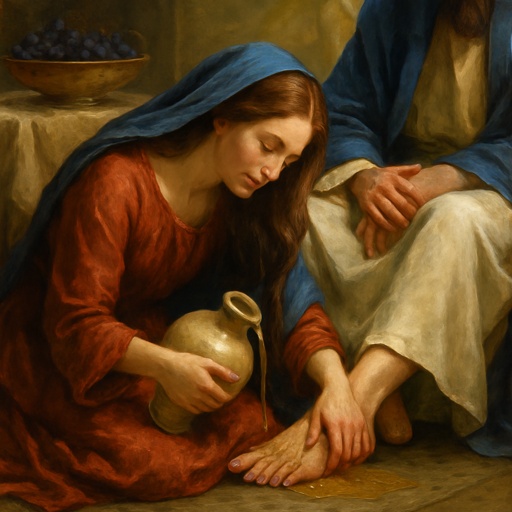
John 12:3

John 8:12
John 9:10

John 10:9

John 10:9

John 10:9

John 20:11-12

John 6:8-9

John 9:1-3

John 13:4-9

John 9:1-41

1 John 1:9

John 12:12 - "¶ On the next day much people that were come to the feast, when they heard that Jesus was coming to Jerusalem,"

John 15:9-10

John 15:9-10

John 16:9 - "Of sin, because they believe not on me;"

John 9:9 - "Some said, This is he: others said, He is like him: but he said, I am he."

John 9:13 - "¶ They brought to the Pharisees him that aforetime was blind."

Acts 12:2 - "And he killed James the brother of John with the sword."

Luke 9:9 - "And Herod said, John have I beheaded: but who is this, of whom I hear such things? And he desired to see him."