What does John 9:13 mean?
“They brought to the Pharisees him that aforetime was blind.” — John 9:13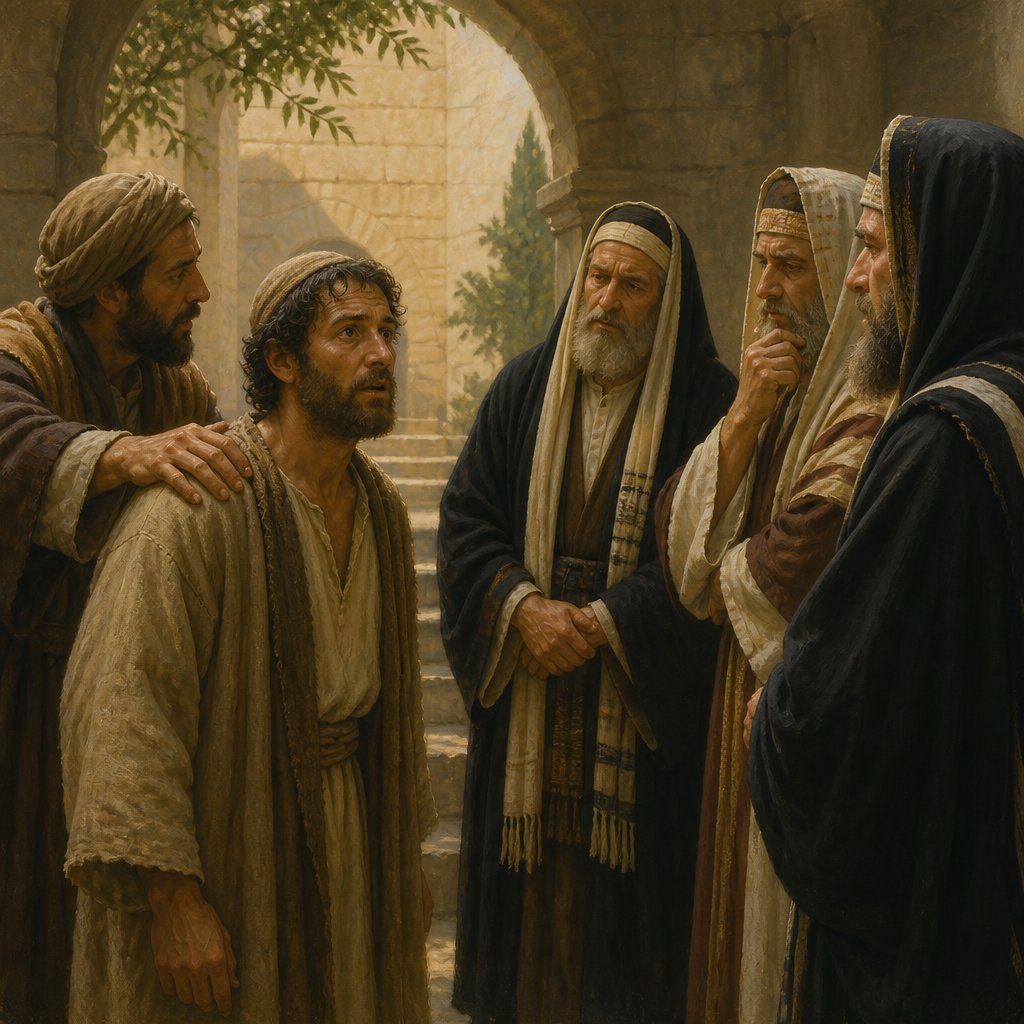
John 9:13 in the King James Version of the Bible reads: "They brought to the Pharisees him that aforetime was blind." This verse is just one part of a larger narrative in the book of John, which tells the story of Jesus healing a man who was blind from birth. However, the religious leaders, specifically the Pharisees, were skeptical and critical of this miracle, leading to a significant confrontation and dialogue that holds important lessons for believers today.
The context of this verse is crucial to understanding its significance. In the preceding verses, Jesus spits on the ground, makes clay with the saliva, and anoints the eyes of the blind man. He then instructs the man to wash in the pool of Siloam, and the man obeys and is healed. This miraculous healing causes a stir among the people who knew the man as a beggar, and they begin to question how this transformation had occurred. Some of the people were amazed and recognized that Jesus must have special authority from God, while others were doubtful and brought the man to the Pharisees for further investigation.
The verse John 9:13 signifies the beginning of the Pharisees' scrutiny of the blind man's healing. This verse sets the stage for the conflict and tension that will ensue as the Pharisees interrogate the man and question the legitimacy of Jesus' actions. It is important to note that the Pharisees were the religious leaders of the time, known for their strict adherence to the Mosaic law and their elevated status in Jewish society. Their response to the healing of the blind man provides a stark contrast to the reactions of the common people, reflecting the division and skepticism that surrounded Jesus' ministry.
The symbolism in this verse lies in the Pharisees' reaction to the miraculous healing. Their unwillingness to acknowledge the truth of Jesus' works represents the spiritual blindness that plagued them. Despite witnessing a profound miracle, the Pharisees were unable to see beyond their own preconceived notions and legalistic interpretations of the law. This spiritual blindness is juxtaposed with the physical blindness of the man who was healed, highlighting the contrast between those who are willing to see the truth and those who remain willfully ignorant.
The themes present in this verse revolve around spiritual insight, faith, and the rejection of Jesus' authority. It serves as a reminder that true understanding and acceptance of Jesus and his teachings require openness and humility, qualities that the Pharisees lacked. The skepticism and judgment displayed by the Pharisees serve as a cautionary example for believers, reminding them to guard against becoming spiritually blind due to pride and legalism. Additionally, this verse emphasizes the theme of divine authority, as the Pharisees' refusal to acknowledge the legitimacy of Jesus' miraculous works ultimately leads to a conflict that exposes the depths of their unbelief.
In conclusion, John 9:13 from the King James Version of the Bible is a pivotal verse that marks the beginning of a significant confrontation between Jesus and the religious leaders of his time. The Pharisees' response to the healing of the blind man highlights the themes of spiritual blindness, faith, and the rejection of divine authority. This verse serves as a powerful reminder for believers to remain humble and open-hearted in their faith, resisting the temptation to become spiritually blind through pride and legalism. It also invites readers to examine their own attitudes towards Jesus and his works, prompting them to seek true understanding and faith in the face of skepticism and doubt.
Get our apps


Artwork for John 9:13

John 9:13 - "¶ They brought to the Pharisees him that aforetime was blind."
"¶ They brought to the Pharisees him that aforetime was blind." - John 9:13

John 9:1-3

John 13:4-9

John 13:9 - "Simon Peter saith unto him, Lord, not my feet only, but also my hands and my head."

John 13
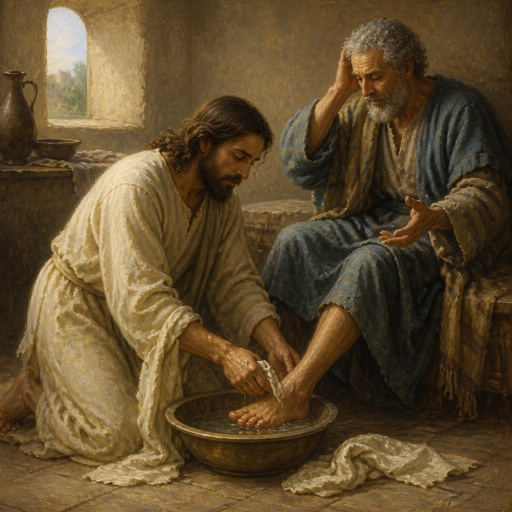
"Simon Peter saith unto him, Lord, not my feet only, but also my hands and my head." - John 13:9

john 21:9

John 13:13 - "Ye call me Master and Lord: and ye say well; for so I am."
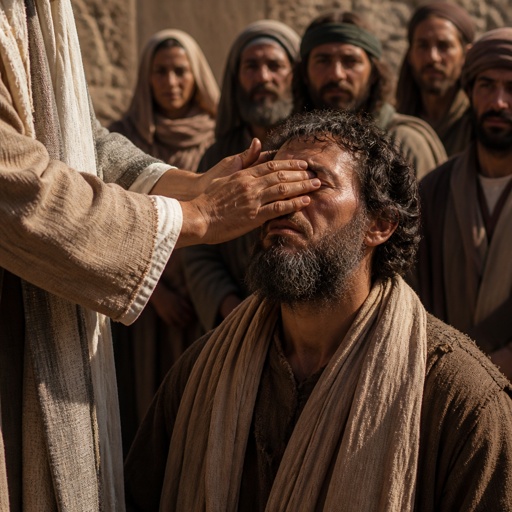
John 9:10

John 10:9

John 10:9

John 10:9
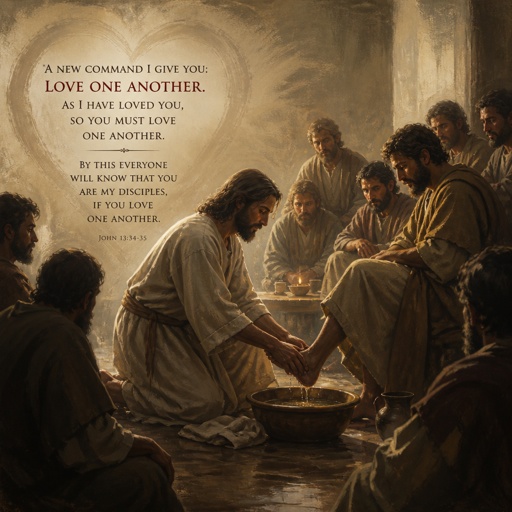
John 13: 34-35

JOHN 6:11-13

John 20:11-13

1 John 4:13

John 13:31-35

John 6:8-9

John 9:1-41

1 John 1:9

John 15:9-10

John 15:9-10

John 16:9 - "Of sin, because they believe not on me;"

John 9:9 - "Some said, This is he: others said, He is like him: but he said, I am he."

Matthew 11:13 - "For all the prophets and the law prophesied until John."

John 2:13 - "¶ And the Jews' passover was at hand, and Jesus went up to Jerusalem,"

John 10:13 - "The hireling fleeth, because he is an hireling, and careth not for the sheep."

John 9:1-3 - "As he went along, he saw a man blind from birth. His disciples asked him, "Rabbi, who sinned, this man or his parents, that he was born blind?" "Neither this man nor his parents sinned," said Jesus, "but this happened so that the works of God might be displayed in him."

Luke 9:9 - "And Herod said, John have I beheaded: but who is this, of whom I hear such things? And he desired to see him."