What does John 9:31 mean?
“Now we know that God heareth not sinners: but if any man be a worshipper of God, and doeth his will, him he heareth.” — John 9:31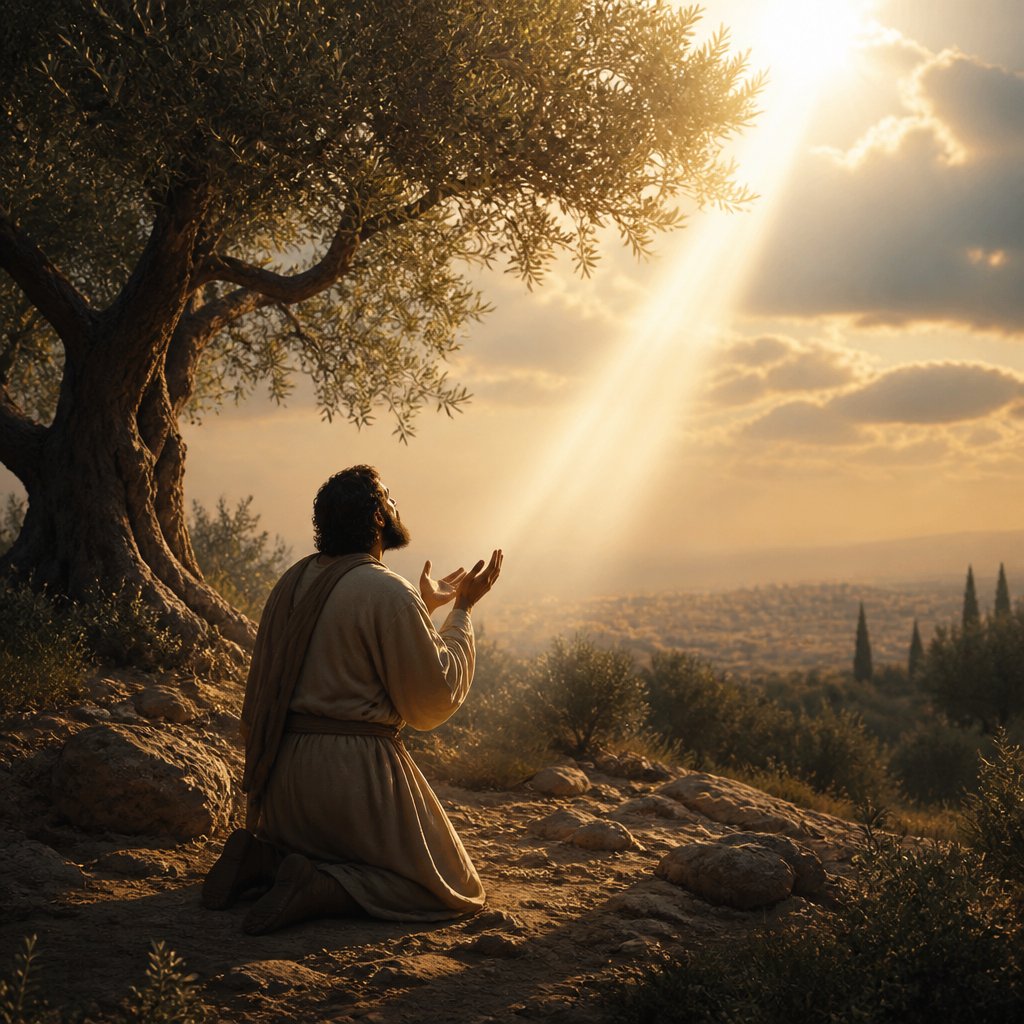
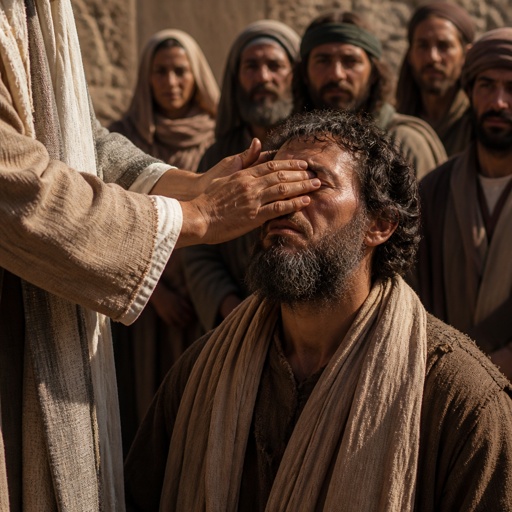
John 9:31 in the King James Version (KJV) of the Bible reads, "Now we know that God heareth not sinners: but if any man be a worshipper of God, and doeth his will, him he heareth." This verse occurs in the context of the healing of a man who was blind from birth by Jesus. The Pharisees were questioning the man about how he was healed, and he responded by saying that Jesus must be from God because only a person sent by God could perform such a miracle. The Pharisees, on the other hand, were skeptical and judgmental, even to the point of accusing Jesus of being a sinner (John 9:24).
The verse holds several key themes and messages that are relevant for Christians today. Firstly, it speaks to the nature of God and his relationship with sinners and worshippers. It emphasizes the idea that God does not listen to sinners but rather to those who are His worshippers and do His will. This aligns with the broader biblical teachings on the importance of righteousness, obedience, and faith in our relationship with God. It also reinforces the principle that genuine worship and obedience are crucial in our communion with God.
Furthermore, this verse reflects the contrasting attitudes and responses of different characters in the story. On one hand, the blind man demonstrates humility, faith, and recognition of the divine nature of Jesus. He acknowledges Jesus as a man sent from God, and he stands firm in his testimony despite the pressure from the Pharisees. On the other hand, the Pharisees exhibit pride, skepticism, and legalistic judgment. Their inability to recognize the hand of God at work in Jesus prevents them from accepting the truth and experiencing the grace of God.
The symbolism in this verse can also be interpreted in various ways. The theme of blindness and sight, both physical and spiritual, is prominent throughout the narrative. The blind man's physical healing parallels his spiritual enlightenment and recognition of Jesus as the Messiah. In contrast, the Pharisees, despite having sight, remain spiritually blind due to their pride and unbelief. This serves as a powerful metaphor for the nature of faith and understanding in relation to God's revelation and the human condition.
In a broader theological context, John 9:31 highlights the importance of faith and obedience as essential components of a true relationship with God. It echoes other biblical passages that emphasize the significance of genuine repentance, righteousness, and a humble heart in approaching God. It also corroborates the teachings of Jesus, who often stressed the need for faith, humility, and obedience as the foundational elements of a faithful life.
Ultimately, John 9:31 challenges believers to reflect on their own attitudes and responses to the divine. It prompts us to consider the state of our hearts, the authenticity of our worship, and our willingness to heed God's will. It invites us to examine whether we approach God with a genuine desire to obey and serve Him, or whether our actions and attitudes reflect self-righteousness and unbelief.
In conclusion, John 9:31 from the King James Version of the Bible encompasses profound truths about the nature of God, the dynamics of faith and obedience, and the contrast between spiritual blindness and insight. Its thematic richness and symbolism provide a rich source for meditation, self-examination, and spiritual growth for Christians. It urges us to cultivate a humble and obedient heart, recognizing the transformative power of faith in our relationship with God.
Get our apps


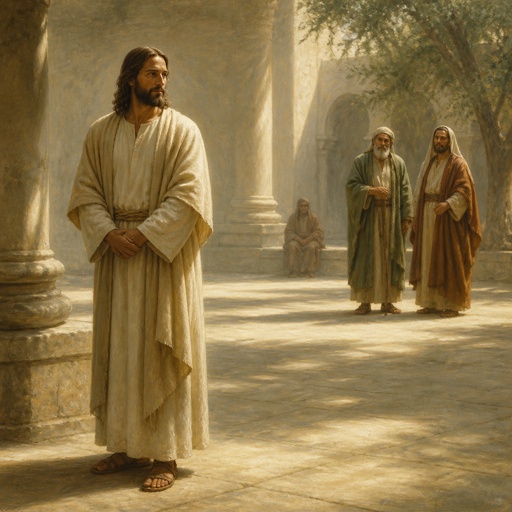
Artwork for John 9:31

John 9:31 - "Now we know that God heareth not sinners: but if any man be a worshipper of God, and doeth his will, him he heareth."
"Now we know that God heareth not sinners: but if any man be a worshipper of God, and doeth his will, him he heareth." - John 9:31

John 20:30-31

John 13:31-35

John 5:31 - "If I bear witness of myself, my witness is not true."

John 16:31 - "Jesus answered them, Do ye now believe?"

John 10:31 - "Then the Jews took up stones again to stone him."

John 4:31 - "¶ In the mean while his disciples prayed him, saying, Master, eat."

John 12:31 - "Now is the judgment of this world: now shall the prince of this world be cast out."

2 Chronicles 31:9 - "Then Hezekiah questioned with the priests and the Levites concerning the heaps."

Exodus 9:31 - "And the flax and the barley was smitten: for the barley was in the ear, and the flax was bolled."

john 21:9

John 6:31 - "Our fathers did eat manna in the desert; as it is written, He gave them bread from heaven to eat."
John 9:10

John 10:9

John 10:9

John 10:9

John 13:31 - "¶ Therefore, when he was gone out, Jesus said, Now is the Son of man glorified, and God is glorified in him."

John 1:31 - "And I knew him not: but that he should be made manifest to Israel, therefore am I come baptizing with water."

Matthew 9:31 - "But they, when they were departed, spread abroad his fame in all that country."

John 8:31 - "Then said Jesus to those Jews which believed on him, If ye continue in my word, then are ye my disciples indeed;"

Proverbs 31:9 - "Open thy mouth, judge righteously, and plead the cause of the poor and needy."

Exodus 31:9 - "And the altar of burnt offering with all his furniture, and the laver and his foot,"
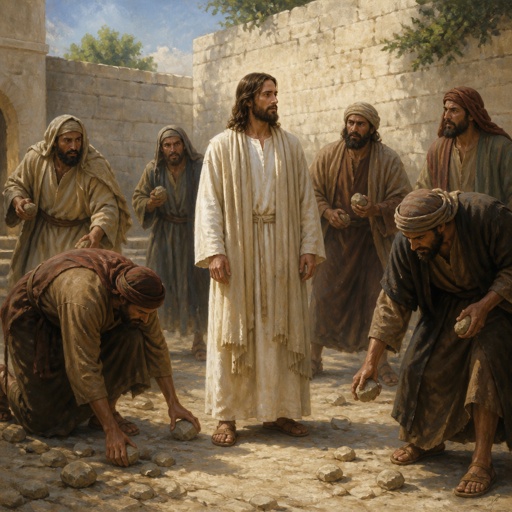
"Then the Jews took up stones again to stone him." - John 10:31
"If I bear witness of myself, my witness is not true." - John 5:31

John 6:8-9

John 9:1-3

John 13:4-9

John 9:1-41

1 John 1:9