What does John 9:8 mean?
“The neighbours therefore, and they which before had seen him that he was blind, said, Is not this he that sat and begged?” — John 9:8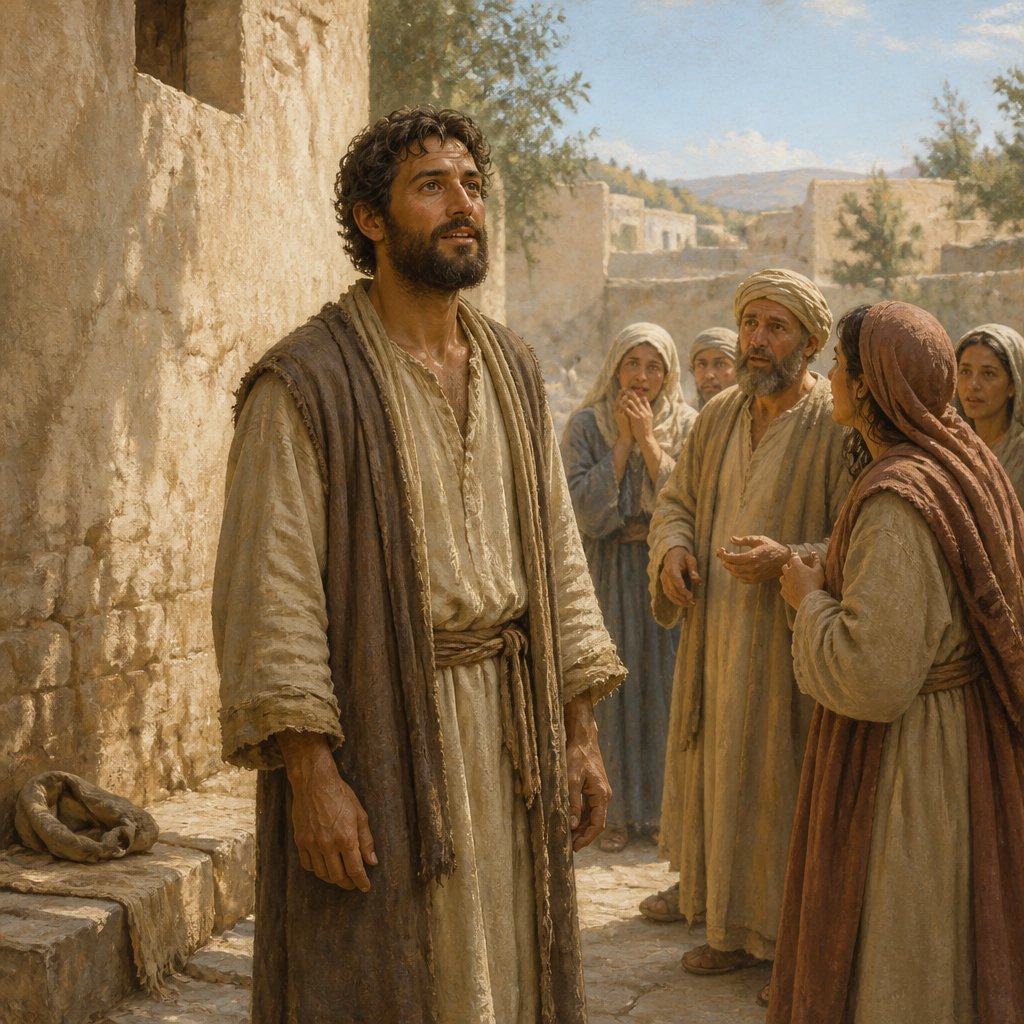
In the King James Version of the Bible, John 9:8 states, "The neighbors therefore, and they which before had seen him that he was blind, said, Is not this he that sat and begged?" This verse is part of the larger narrative found in John 9, which tells the story of Jesus healing a man who was born blind.
The verse serves as a crucial point in the story, as it introduces the reaction of the man's neighbors to his newfound ability to see. The neighbors are puzzled and confused, as they had known the man as a blind beggar for many years. The fact that he can now see confounds them and leads to disbelief and skepticism. This verse sets the stage for the conflict and controversy that ensues as a result of the man's miraculous healing.
One of the key themes in this verse and the larger passage is the idea of transformation. The man who was once blind and helpless is now able to see and experience the world in a new way. This transformation not only affects the man himself but also the people around him, who struggle to come to terms with the change. The verse raises questions about the nature of change and the way it can disrupt and challenge our understanding of the world.
The context of this verse is also significant. In the larger narrative of John 9, Jesus uses the healing of the blind man as a demonstration of his power and authority. This miracle serves to validate Jesus' identity as the Son of God and the Messiah. The reaction of the neighbors and the religious leaders to the man's healing becomes a focal point for Jesus to reveal deeper truths about spiritual blindness and the nature of belief.
Symbolism is also present in this verse, particularly in the idea of blindness and sight. The physical blindness of the man serves as a metaphor for spiritual blindness and ignorance. Through the healing of the man's physical eyes, Jesus is also addressing the spiritual blindness of the people around him, who are unable to recognize and understand the significance of his actions. The verse challenges us to consider the ways in which we may be blind to the truth and the transformative power of faith.
Overall, John 9:8 is a verse that holds deep meaning and significance within the larger context of the Gospel of John. It raises important questions about transformation, belief, and spiritual understanding. The story of the healing of the blind man challenges us to consider the ways in which we perceive the world and the ways in which our understanding can be transformed by encountering the power and presence of Jesus. Its themes of transformation, faith, and spiritual blindness continue to resonate and inspire readers today, inviting them to consider the ways in which they may be blind to the truth and the potential for transformative change through faith in Christ.
Get our apps


Artwork for John 9:8

John 9:8 - "¶ The neighbours therefore, and they which before had seen him that he was blind, said, Is not this he that sat and begged?"
"¶ The neighbours therefore, and they which before had seen him that he was blind, said, Is not this he that sat and begged?" - John 9:8

John 6:8-9

numbers 21:8-9 & John 3:14

John 8:9 - "And they which heard it, being convicted by their own conscience, went out one by one, beginning at the eldest, even unto the last: and Jesus was left alone, and the woman standing in the midst."

John 5:8-9 - "Jesus said to him, “Get up; take up your bed, and walk.” And at once the man was healed, and he took up his bed and walked. Now that day was the Sabbath."
John 8

John 8

John 8:44

John 8:44

John 8:44

1 John 4:8-9 - "Whoever does not love does not know God, because God is love. This is how God showed his love among us: He sent his one and only Son into the world that we might live through him."

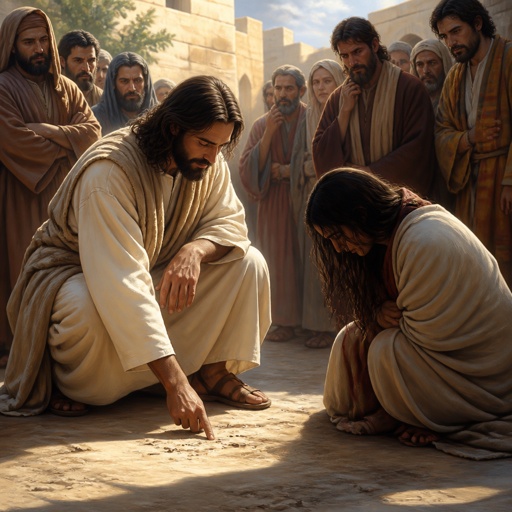
John 8:8 - "And again he stooped down, and wrote on the ground."

john 21:9

John 8:12
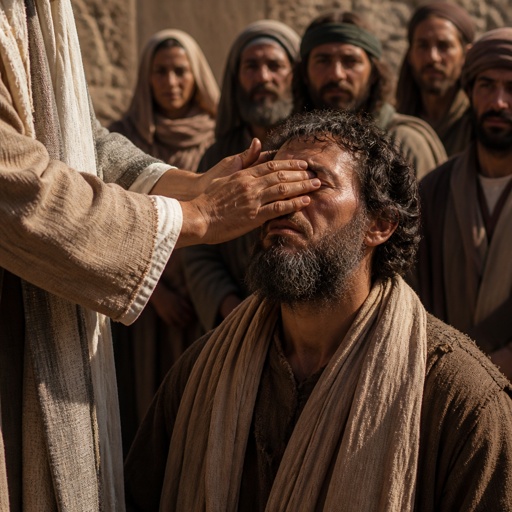
John 9:10

John 10:9

John 10:9

John 10:9
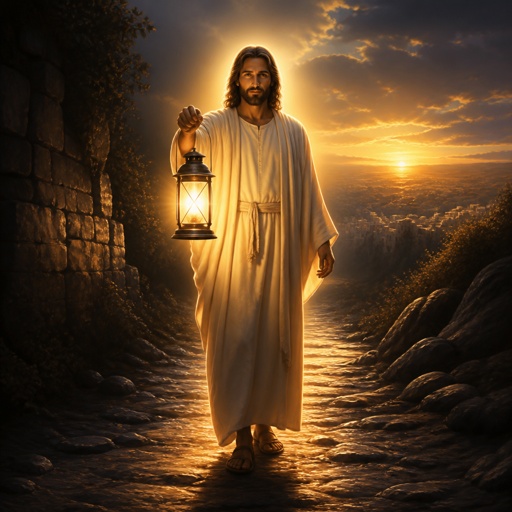
John 8:12

John 8:12

John 8:12

John 8:12

John 9:1-3

John 13:4-9

John 9:1-41

1 John 1:9
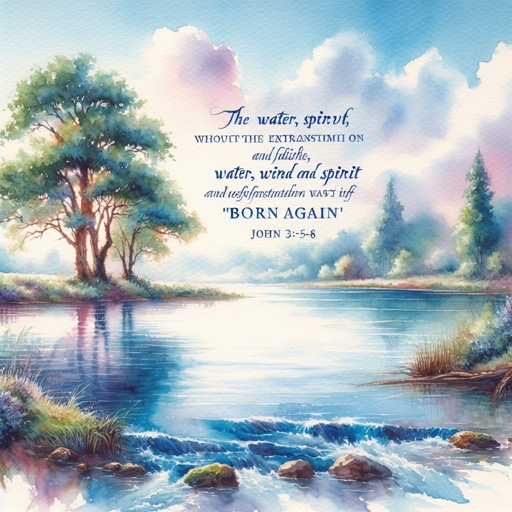
John 3:5-8

John 15:1-8

John 3:5-8