What does Joshua 10:35 mean?
“And they took it on that day, and smote it with the edge of the sword, and all the souls that were therein he utterly destroyed that day, according to all that he had done to Lachish.” — Joshua 10:35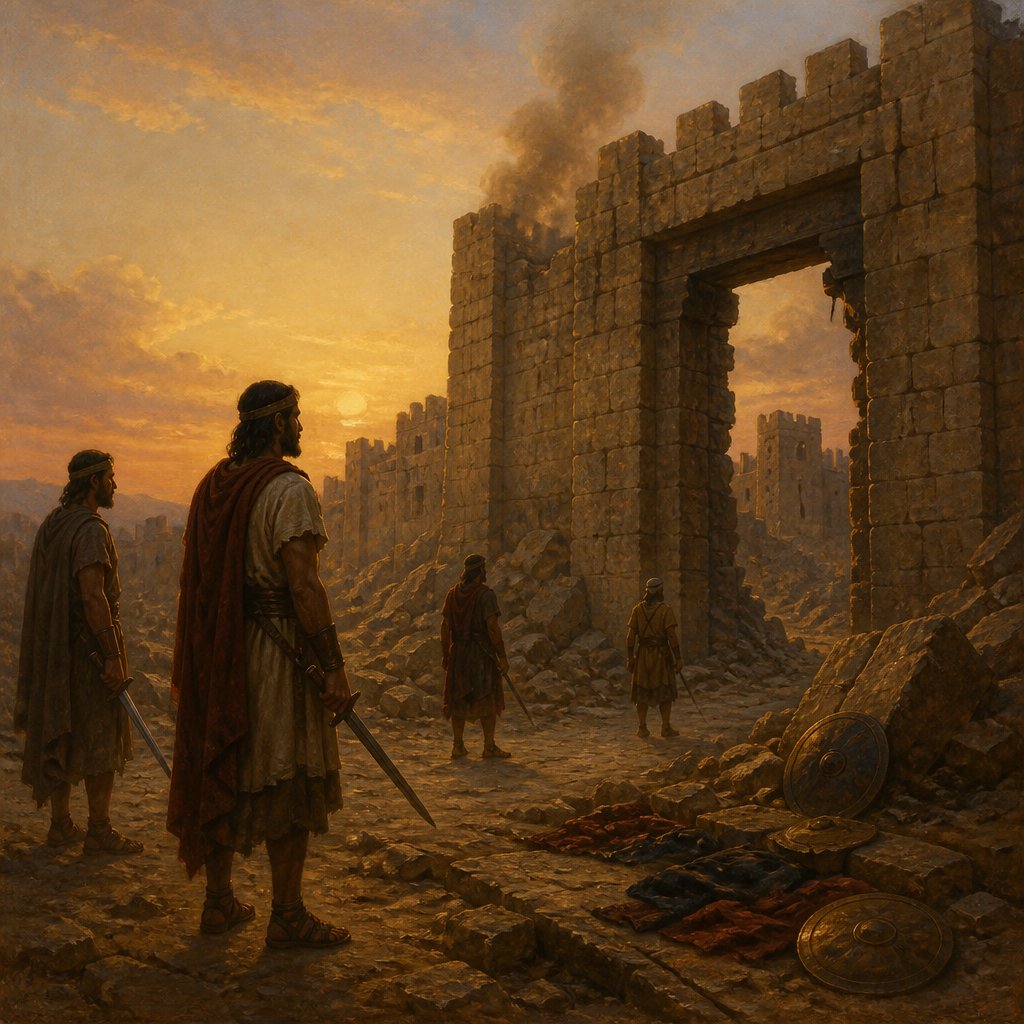
Joshua 10:35 (KJV) states, "And they took it on that day, and smote it with the edge of the sword, and all the souls that were therein he utterly destroyed that day, according to all that he had done to Lachish."
This verse is part of the larger narrative of the conquest of the Promised Land by the Israelites under the leadership of Joshua. In this specific verse, Joshua and his army have just conquered the city of Makkedah, and they have utterly destroyed all the people and living creatures within it. It is a brutal and violent scene, and it raises questions about the morality of the Israelites' actions and the nature of God's role in the conquest.
The conquest of the Promised Land is a central theme in the book of Joshua, and it can be understood on several levels. On a historical level, this was a significant moment in the formation of the nation of Israel, as they were finally beginning to settle in the land that had been promised to them by God. On a theological level, the conquest represents God's faithfulness to his promise and his ability to fulfill his covenant with his chosen people. However, the violent nature of the conquest also raises ethical and moral questions about the Israelites' actions and the role of God in justifying such violence.
One key theme in this verse is the concept of divine judgment. The destruction of the inhabitants of Makkedah is portrayed as an act of divine judgment, as Joshua and the Israelites are carrying out God's will in destroying the city. This raises questions about the nature of God's justice and the morality of using violence as a means of divine judgment. It is a troubling and difficult theme, as it forces readers to grapple with the idea that God can be a God of both love and judgment, as well as the idea that violence can be justifiable in the eyes of God.
Another theme in this verse is the concept of total destruction. The verse states that "all the souls that were therein he utterly destroyed that day," emphasizing the completeness of the destruction carried out by the Israelites. This theme of total destruction is a recurring motif in the book of Joshua, as the Israelites are repeatedly commanded to annihilate the inhabitants of the cities they conquer. This raises questions about the morality of such actions and the ethical implications of the Israelites' use of violence to achieve their goals.
The context of this verse is important for understanding its significance. The conquest of the Promised Land was a pivotal moment in the history of the nation of Israel, as it marked the fulfillment of God's promise to give them the land. However, the violent nature of the conquest raises questions about the morality of the Israelites' actions and the role of God in justifying such violence. It is a troubling and difficult aspect of the biblical narrative, as it forces readers to confront the idea that the God of love and mercy can also be a God of judgment and violence.
Symbolism in this verse can be found in the image of the sword, which is a recurring symbol in the Bible representing conflicts, judgments, and even the word of God. The use of the sword to smite the city of Makkedah symbolizes the violent nature of the Israelites' conquest and the theme of divine judgment. It also serves as a reminder of the brutal and destructive realities of war and the ethical implications of using violence as a means of achieving one's goals. Additionally, the idea of the complete destruction of all the inhabitants of Makkedah symbolizes the thoroughness and severity of the Israelites' conquest, as well as the ethical and moral questions raised by their actions.
In conclusion, Joshua 10:35 (KJV) is a difficult and challenging verse that raises important theological, ethical, and moral questions about the nature of God's justice, the morality of violence, and the role of divine judgment. As part of the larger narrative of the conquest of the Promised Land, it forces readers to grapple with the troubling aspects of the biblical narrative and confront the difficult realities of war, violence, and divine judgment. It is a verse that demands careful consideration and thoughtful reflection, as it challenges readers to confront the complexities of God's character and the ethical implications of using violence as a means of achieving one's goals.
Get our apps


Artwork for Joshua 10:35

Joshua 10:35 - "And they took it on that day, and smote it with the edge of the sword, and all the souls that were therein he utterly destroyed that day, according to all that he had done to Lachish."
"And they took it on that day, and smote it with the edge of the sword, and all the souls that were therein he utterly destroyed that day, according to all that he had done to Lachish." - Joshua 10:35

Joshua 15:35 - "Jarmuth, and Adullam, Socoh, and Azekah,"

Joshua 19:35 - "And the fenced cities are Ziddim, Zer, and Hammath, Rakkath, and Chinnereth,"

Joshua 21:35 - "Dimnah with her suburbs, Nahalal with her suburbs; four cities."

Joshua 8:35 - "There was not a word of all that Moses commanded, which Joshua read not before all the congregation of Israel, with the women, and the little ones, and the strangers that were conversant among them."

"Jarmuth, and Adullam, Socoh, and Azekah," - Joshua 15:35

Joshua 1:10 - "¶ Then Joshua commanded the officers of the people, saying,"

Joshua 10:43 - "And Joshua returned, and all Israel with him, unto the camp to Gilgal."

Joshua 10:38 - "¶ And Joshua returned, and all Israel with him, to Debir; and fought against it:"

Joshua 10:15 - "¶ And Joshua returned, and all Israel with him, unto the camp to Gilgal."

Joshua 18:10 - "¶ And Joshua cast lots for them in Shiloh before the LORD: and there Joshua divided the land unto the children of Israel according to their divisions."

Isaiah 35:8-10

2 Chronicles 35:10

Mark 10:35-45

Mark 10:35-45

Ezra 10:35 - "Benaiah, Bedeiah, Chelluh,"

Joshua 10:17 - "And it was told Joshua, saying, The five kings are found hid in a cave at Makkedah."
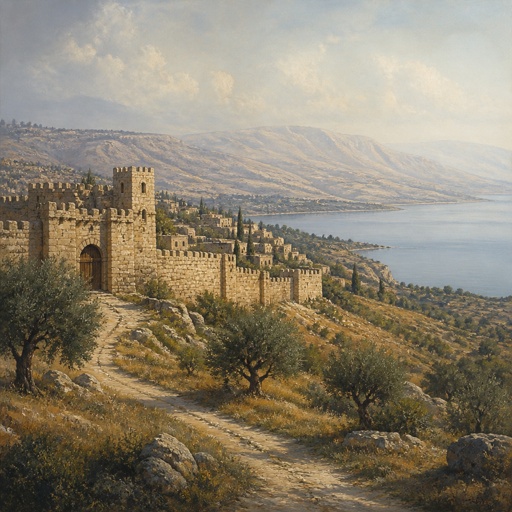
"And the fenced cities are Ziddim, Zer, and Hammath, Rakkath, and Chinnereth," - Joshua 19:35

Mark 10:35-45

Mark 10:35-45
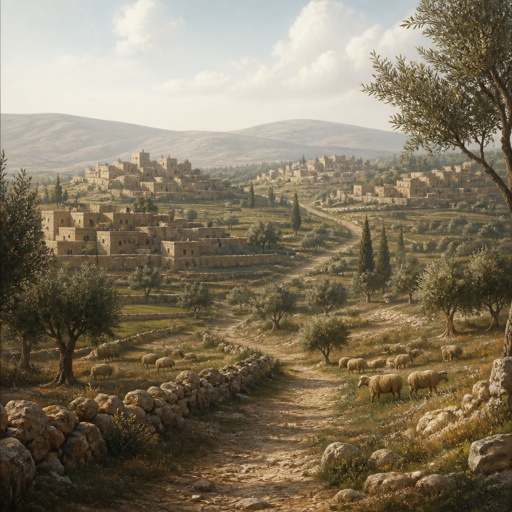
"Dimnah with her suburbs, Nahalal with her suburbs; four cities." - Joshua 21:35

Joshua 10:9 - "Joshua therefore came unto them suddenly, and went up from Gilgal all night."

Joshua 10:29 - "Then Joshua passed from Makkedah, and all Israel with him, unto Libnah, and fought against Libnah:"

Joshua 10:36 - "And Joshua went up from Eglon, and all Israel with him, unto Hebron; and they fought against it:"

Joshua 10:18 - "And Joshua said, Roll great stones upon the mouth of the cave, and set men by it for to keep them:"

"¶ Then Joshua commanded the officers of the people, saying," - Joshua 1:10

Joshua 10:31 - "¶ And Joshua passed from Libnah, and all Israel with him, unto Lachish, and encamped against it, and fought against it:"

Joshua 10:34 - "¶ And from Lachish Joshua passed unto Eglon, and all Israel with him; and they encamped against it, and fought against it:"

Joshua 10:22 - "Then said Joshua, Open the mouth of the cave, and bring out those five kings unto me out of the cave."