What does Judges 12:2 mean?
"And Jephthah said unto them, I and my people were at great strife with the children of Ammon; and when I called you, ye delivered me not out of their hands." - Judges 12:2
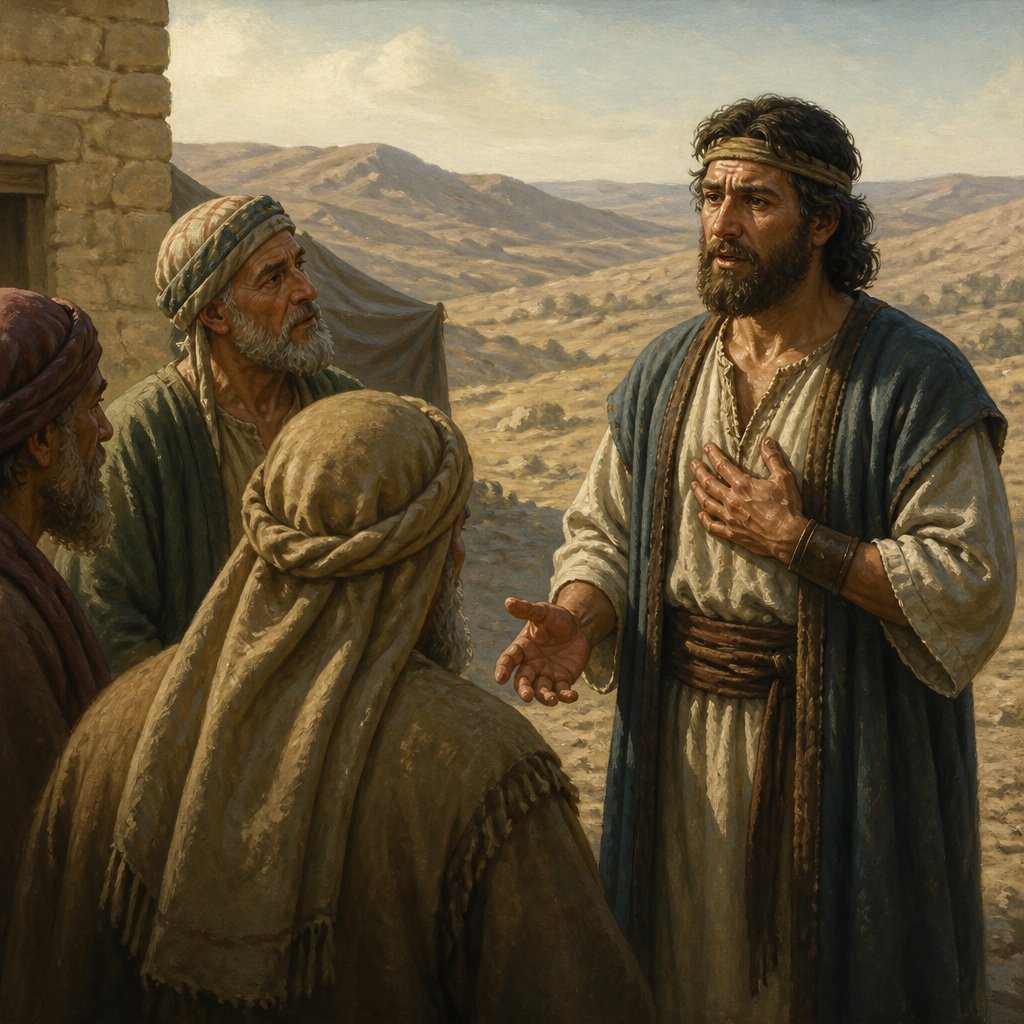
The Bible verse Judges 12:2 from the King James Version (KJV) reads, "And Jephthah said unto them, I and my people were at great strife with the children of Ammon; and when I called you, ye delivered me not out of their hands."
This verse is found in the Book of Judges, which is a historical record of the Israelite leaders and their military exploits in the time following the death of Joshua. The particular story being referenced in this verse is that of Jephthah, one of the judges of Israel. Jephthah was the son of Gilead and a prostitute and was initially rejected by his family but later called upon to lead the Israelites in battle against the Ammonites.
The context of Judges 12:2 is significant in understanding the full meaning of the verse. Jephthah is addressing the tribe of Ephraim, who had confronted him and the Gileadites after they had defeated the Ammonites. The Ephraimites were upset that they were not called to help in the battle against the Ammonites and accused Jephthah of not valuing their support. Jephthah's response in this verse is a defense of his actions and a reminder to the Ephraimites that he had indeed called for their assistance, but they had not responded to his call.
This verse highlights several important themes that are relevant to understanding the message of the Book of Judges and the broader narrative of the Bible. One key theme is the recurring pattern of the Israelites' disobedience and disunity, which leads to conflict and struggle. Throughout the Book of Judges, the Israelites continually turn away from God, leading to periods of oppression and conflict with neighboring nations. Jephthah's struggle with the Ammonites and the subsequent conflict with the Ephraimites is a clear example of this pattern of disobedience and division among the Israelites.
Another important theme in this verse is the concept of leadership and the responsibilities of those in positions of authority. Jephthah, as a judge of Israel, was called to lead and defend his people against their enemies. His frustration with the Ephraimites reflects the challenges and burdens that come with leadership. This theme raises questions about the expectations and obligations of leaders, as well as the accountability of those who are called to support and follow them.
Symbolism in this verse can be found in the actions and attitudes of the various characters involved. Jephthah's call for assistance from the Ephraimites can be seen as a symbol of the importance of unity and collaboration among the tribes of Israel. The Ephraimites' refusal to answer the call can symbolize the consequences of pride and self-interest, as well as the disunity that weakens the nation of Israel. Jephthah's response serves as a reminder of the need for humility, accountability, and cooperation among the people of God.
In conclusion, Judges 12:2 from the KJV presents a powerful and timeless message about the challenges of leadership, the consequences of disunity, and the responsibilities of God's people. By examining the themes, context, and symbolism of this verse, we gain valuable insights into the overall narrative of the Book of Judges and the broader themes of the Bible. This verse serves as a reminder of the importance of obedience, humility, and unity in the service of God's kingdom.
Have questions about Judges 12:2?
Dive deeper into this scripture with Bible Chat — an AI-powered tool for exploring God's Word through conversation. Ask questions, get context, and grow in your understanding of the Bible.
Get Our Apps


Judges 12:2 Artwork
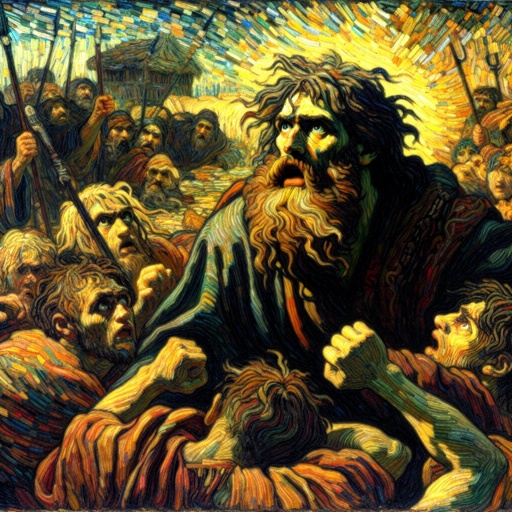
Judges 12:2 - "And Jephthah said unto them, I and my people were at great strife with the children of Ammon; and when I called you, ye delivered me not out of their hands."
"And Jephthah said unto them, I and my people were at great strife with the children of Ammon; and when I called you, ye delivered me not out of their hands." - Judges 12:2

James 2:12 - "So speak ye, and so do, as they that shall be judged by the law of liberty."

Judges 12:12 - "And Elon the Zebulonite died, and was buried in Aijalon in the country of Zebulun."

Judges 12:11 - "¶ And after him Elon, a Zebulonite, judged Israel; and he judged Israel ten years."

Romans 2:12 - "For as many as have sinned without law shall also perish without law: and as many as have sinned in the law shall be judged by the law;"

Judges 12:8 - "¶ And after him Ibzan of Beth-lehem judged Israel."

Judges 12:10 - "Then died Ibzan, and was buried at Beth-lehem."

Judges 12:13 - "¶ And after him Abdon the son of Hillel, a Pirathonite, judged Israel."

Judges 2:12 - "And they forsook the LORD God of their fathers, which brought them out of the land of Egypt, and followed other gods, of the gods of the people that were round about them, and bowed themselves unto them, and provoked the LORD to anger."
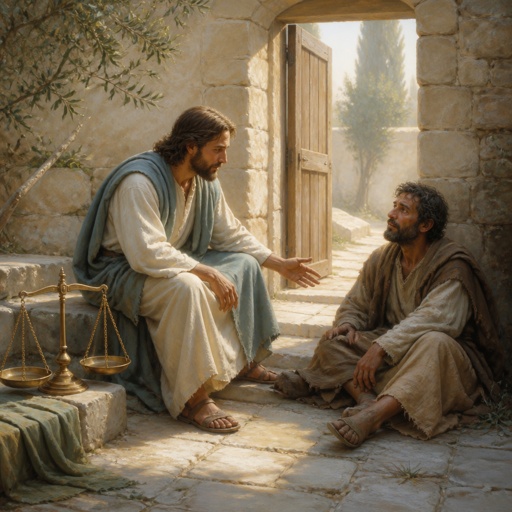
"So speak ye, and so do, as they that shall be judged by the law of liberty." - James 2:12

"And Elon the Zebulonite died, and was buried in Aijalon in the country of Zebulun." - Judges 12:12

Job 12:17 - "He leadeth counsellors away spoiled, and maketh the judges fools."

Judges 12:7 - "And Jephthah judged Israel six years. Then died Jephthah the Gileadite, and was buried in one of the cities of Gilead."

Judges 4:12 - "And they shewed Sisera that Barak the son of Abinoam was gone up to mount Tabor."

Judges 9:12 - "Then said the trees unto the vine, Come thou, and reign over us."

Judges 17:12 - "And Micah consecrated the Levite; and the young man became his priest, and was in the house of Micah."

1 Corinthians 5:12 - "For what have I to do to judge them also that are without? do not ye judge them that are within?"

John 12:47 - "And if any man hear my words, and believe not, I judge him not: for I came not to judge the world, but to save the world."

Judges 2:16 - "¶ Nevertheless the LORD raised up judges, which delivered them out of the hand of those that spoiled them."

Judges 12:15 - "And Abdon the son of Hillel the Pirathonite died, and was buried in Pirathon in the land of Ephraim, in the mount of the Amalekites."

Judges 2:31

Judges 12:14 - "And he had forty sons and thirty nephews, that rode on threescore and ten ass colts: and he judged Israel eight years."

2 Chronicles 20:12 - "O our God, wilt thou not judge them? for we have no might against this great company that cometh against us; neither know we what to do: but our eyes are upon thee."

"¶ And after him Ibzan of Beth-lehem judged Israel." - Judges 12:8

"Then died Ibzan, and was buried at Beth-lehem." - Judges 12:10

"¶ And after him Elon, a Zebulonite, judged Israel; and he judged Israel ten years." - Judges 12:11

Matthew 7:1-2 - "Do not judge, or you too will be judged. For in the same way you judge others, you will be judged, and with the measure you use, it will be measured to you."

"¶ And after him Abdon the son of Hillel, a Pirathonite, judged Israel." - Judges 12:13

Judges 6:12 - "And the angel of the LORD appeared unto him, and said unto him, The LORD is with thee, thou mighty man of valour."