What does Judges 12:7 mean?
"And Jephthah judged Israel six years. Then died Jephthah the Gileadite, and was buried in one of the cities of Gilead." - Judges 12:7
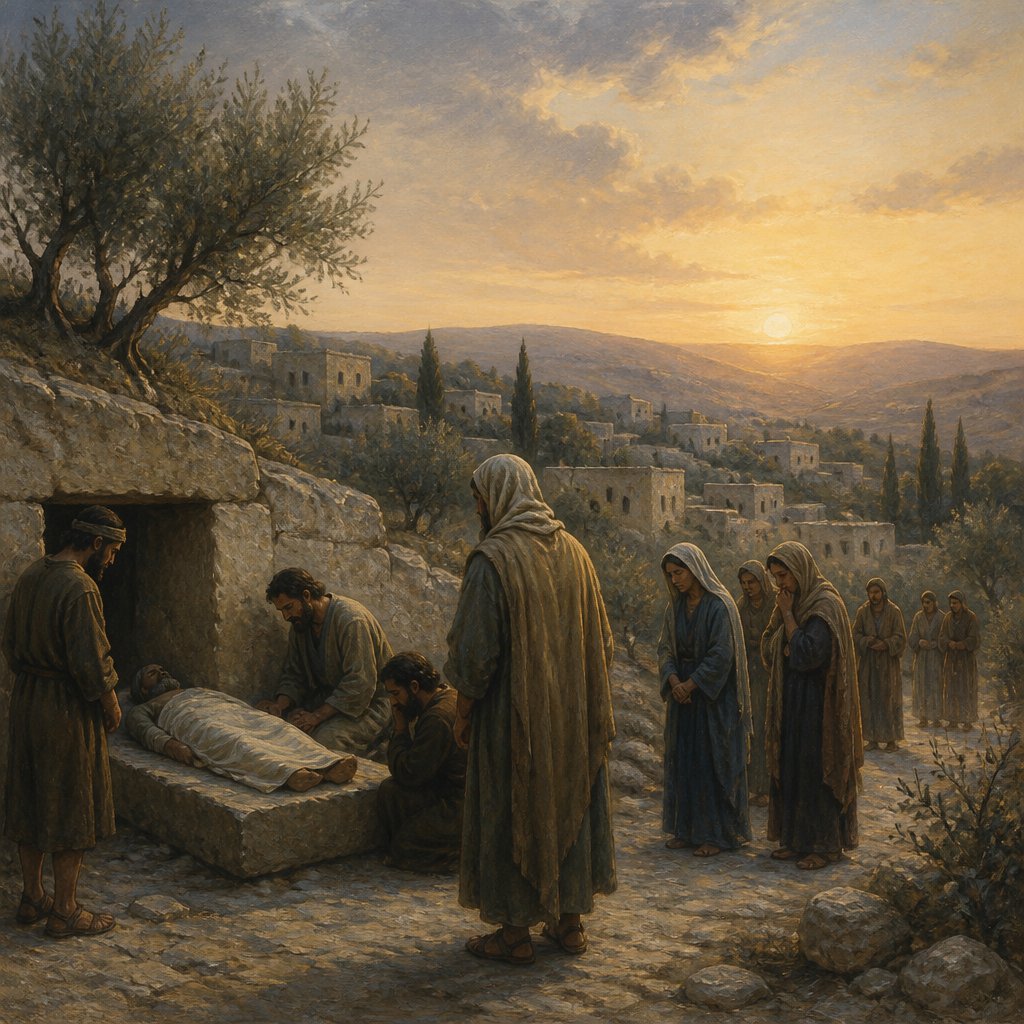
The Bible verse Judges 12:7 from the King James Version (KJV) reads: "Then Jephthah judged Israel six years. Then died Jephthah the Gileadite, and was buried in one of the cities of Gilead."
This verse comes from the Book of Judges, which is part of the Hebrew Bible and the Christian Old Testament. The Book of Judges depicts a tumultuous period in the history of the Israelites, characterized by cycles of sin, oppression, repentance, and deliverance. Judges were charismatic leaders raised up by God to rescue the Israelites from their enemies and to govern them. Jephthah is one of these judges, and his story is found in Judges 11-12.
Jephthah was a courageous and skilled warrior, but he was born to a prostitute and was initially rejected by his half-brothers. However, he eventually became a prominent figure in Gilead and was called upon by the elders to lead them in battle against the Ammonites. Before engaging in battle, Jephthah made a rash vow to God, promising to sacrifice the first thing that came out of his house if he were granted victory. Tragically, his only daughter was the first to greet him upon his return, and Jephthah fulfilled his vow.
In Judges 12:7, it is mentioned that Jephthah "judged Israel six years" before his death. This indicates that he not only led the Israelites in battle but also served as a leader and a judge, providing guidance and settling disputes among the people. His relatively short term as a judge may have been due to the controversial nature of his actions, including his vow and the resulting sacrifice of his daughter.
The verse also states that Jephthah "died and was buried in one of the cities of Gilead." This simple statement serves as a reminder of the mortality of even the most powerful and revered leaders. Jephthah's death symbolizes the end of an era and the transition to a new chapter in Israel's history.
One prominent theme in this verse and the story of Jephthah is the complex nature of leadership and the consequences of rash decisions. Jephthah's vow and its tragic outcome demonstrate the danger of making impulsive promises and the importance of carefully considering the consequences of our actions. Additionally, Jephthah's mixed legacy as a judge and leader prompts reflection on the ethical and moral responsibilities of those in positions of power.
Another theme is the faithfulness of God in raising up leaders and deliverers for His people. Despite their repeated disobedience and unfaithfulness, God continued to raise up judges to rescue the Israelites from their enemies and to lead them. Jephthah's leadership, flawed as it may have been, was ultimately a part of God's plan to bring deliverance to His people.
Symbolism can be found in the broader context of the Book of Judges and the specific details of Jephthah's story. The recurring cycle of sin, oppression, repentance, and deliverance serves as a symbolic representation of the human condition and God's redemptive work throughout history. Jephthah's vow and the sacrifice of his daughter serve as a cautionary symbol of the dire consequences of making hasty and ill-considered promises.
In conclusion, Judges 12:7 from the King James Version of the Bible is a brief but significant passage that encapsulates the complex themes and lessons found in the story of Jephthah. It serves as a reminder of the multifaceted nature of leadership, the consequences of our choices, and the enduring faithfulness of God. The verse invites readers to reflect on their own actions and responsibilities while pointing to the ultimate hope found in God's redemptive plan for His people.
Have questions about Judges 12:7?
Dive deeper into this scripture with Bible Chat — an AI-powered tool for exploring God's Word through conversation. Ask questions, get context, and grow in your understanding of the Bible.
Get Our Apps


Judges 12:7 Artwork

Judges 12:7 - "And Jephthah judged Israel six years. Then died Jephthah the Gileadite, and was buried in one of the cities of Gilead."
"And Jephthah judged Israel six years. Then died Jephthah the Gileadite, and was buried in one of the cities of Gilead." - Judges 12:7

Judges 7:12 - "And the Midianites and the Amalekites and all the children of the east lay along in the valley like grasshoppers for multitude; and their camels were without number, as the sand by the sea side for multitude."

Judges 12:12 - "And Elon the Zebulonite died, and was buried in Aijalon in the country of Zebulun."

Judges 5:7

Matthew 7:1 - "Judge not, that ye be not judged."

Judges 12:11 - "¶ And after him Elon, a Zebulonite, judged Israel; and he judged Israel ten years."

Judges 12:8 - "¶ And after him Ibzan of Beth-lehem judged Israel."

Judges 12:10 - "Then died Ibzan, and was buried at Beth-lehem."

John 7:24 - "Judge not according to the appearance, but judge righteous judgment."

Judges 12:13 - "¶ And after him Abdon the son of Hillel, a Pirathonite, judged Israel."

Matthew 7:1-2 - "Do not judge, or you too will be judged. For in the same way you judge others, you will be judged, and with the measure you use, it will be measured to you."

"Judge not, that ye be not judged." - Matthew 7:1

"And Elon the Zebulonite died, and was buried in Aijalon in the country of Zebulun." - Judges 12:12

Job 12:17 - "He leadeth counsellors away spoiled, and maketh the judges fools."

Hosea 7:7 - "They are all hot as an oven, and have devoured their judges; all their kings are fallen: there is none among them that calleth unto me."

Judges 4:12 - "And they shewed Sisera that Barak the son of Abinoam was gone up to mount Tabor."

Judges 9:12 - "Then said the trees unto the vine, Come thou, and reign over us."

Judges 17:12 - "And Micah consecrated the Levite; and the young man became his priest, and was in the house of Micah."

1 Corinthians 5:12 - "For what have I to do to judge them also that are without? do not ye judge them that are within?"

Judges 14:7 - "And he went down, and talked with the woman; and she pleased Samson well."

John 12:47 - "And if any man hear my words, and believe not, I judge him not: for I came not to judge the world, but to save the world."

Judges 12:15 - "And Abdon the son of Hillel the Pirathonite died, and was buried in Pirathon in the land of Ephraim, in the mount of the Amalekites."
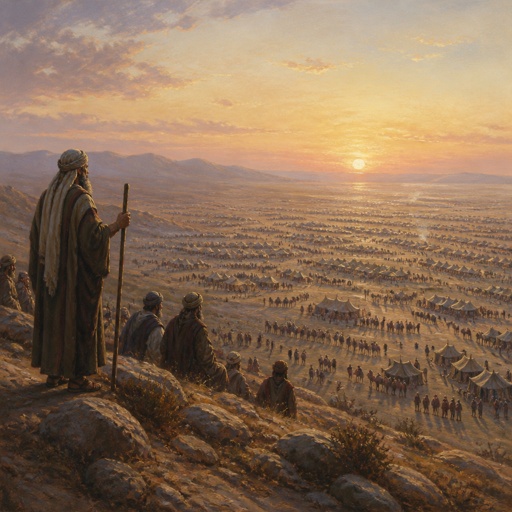
"And the Midianites and the Amalekites and all the children of the east lay along in the valley like grasshoppers for multitude; and their camels were without number, as the sand by the sea side for multitude." - Judges 7:12

Judges 20:7 - "Behold, ye are all children of Israel; give here your advice and counsel."

Judges 12:14 - "And he had forty sons and thirty nephews, that rode on threescore and ten ass colts: and he judged Israel eight years."
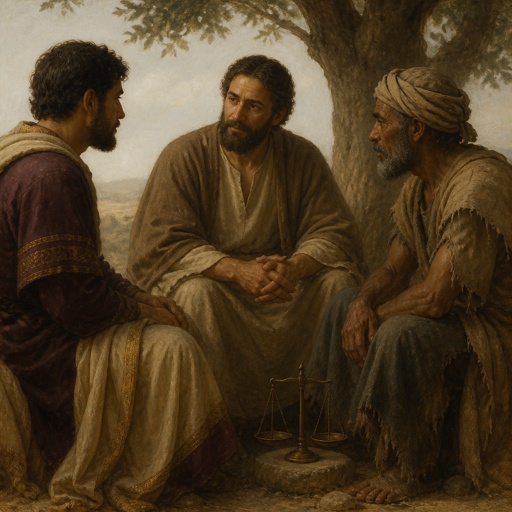
"Judge not according to the appearance, but judge righteous judgment." - John 7:24

Judges 6:7 - "¶ And it came to pass, when the children of Israel cried unto the LORD because of the Midianites,"

"¶ And after him Ibzan of Beth-lehem judged Israel." - Judges 12:8

"Then died Ibzan, and was buried at Beth-lehem." - Judges 12:10