What does Judges 17:1 mean?
“And there was a man of mount Ephraim, whose name was Micah.” — Judges 17:1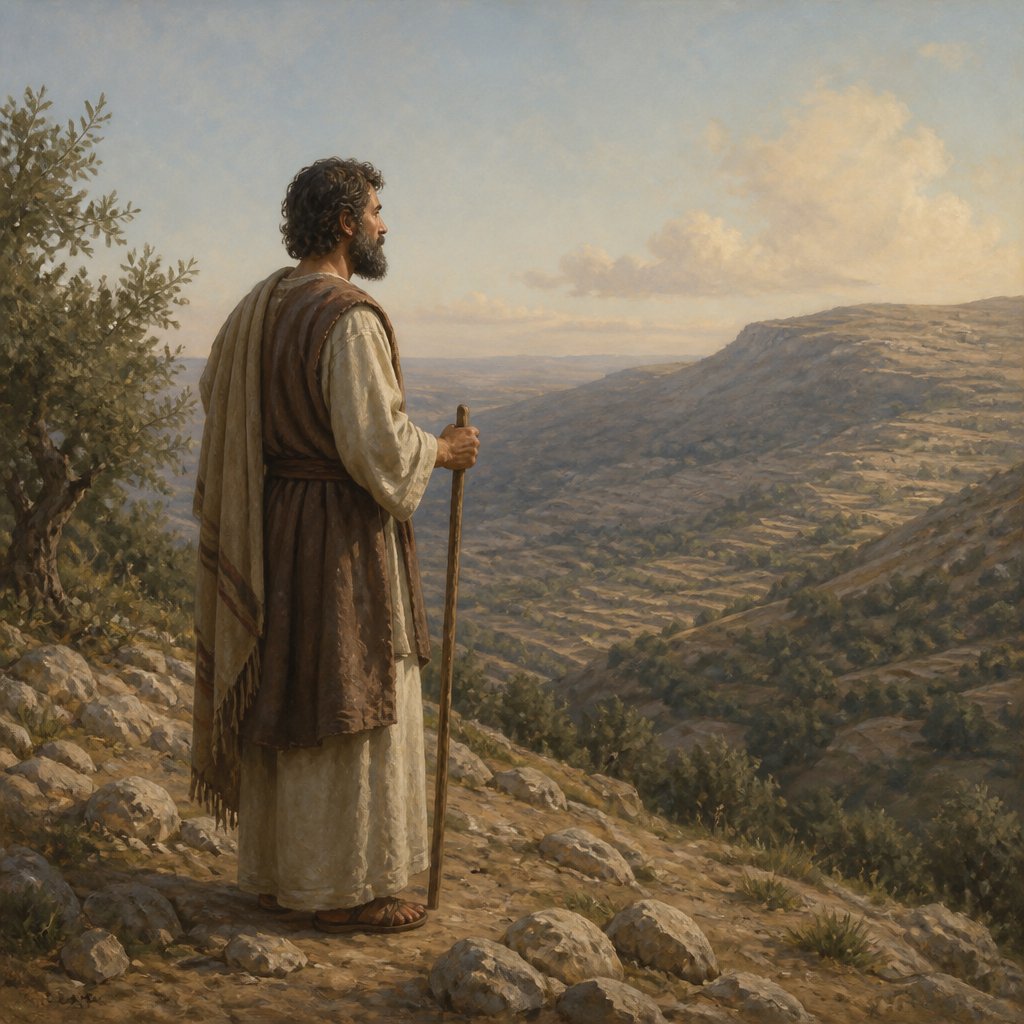
Judges 17:1 from the King James Version (KJV) of the Bible states, "And there was a man of mount Ephraim, whose name was Micah." This verse is the opening of a narrative in the book of Judges, which takes place during a tumultuous period in Israel's history. To fully understand the meaning and context of this verse, it is necessary to explore the broader themes and symbolism found within the book of Judges.
The book of Judges encompasses a period of time after the Israelites entered the Promised Land, but before the establishment of the monarchy. During this era, the Israelites were ruled by a series of judges who were chosen by God to deliver them from enemy oppression. However, the book also depicts a period of moral and spiritual decline among the Israelites, marked by idolatry, disobedience, and social unrest.
In this context, Judges 17:1 introduces us to a man named Micah, who is from the tribe of Ephraim. The mention of Mount Ephraim is significant, as this region was known for its spiritual significance and was home to the tabernacle during certain periods of Israel's history. Thus, the setting of the narrative is immediately associated with religious and spiritual connotations.
The name "Micah" holds meaning as well. In Hebrew, "Micah" means "who is like the Lord," which suggests a connection to the divine. This name carries themes of faith, humility, and the recognition of God's sovereignty. Given the context of moral decline in the book of Judges, the introduction of a character with a name expressing devotion to God may serve as a contrast to the prevailing spiritual condition of the Israelites at the time.
As the narrative progresses, it becomes evident that Micah's story involves elements of idolatry and syncretism. He is introduced as having stolen silver from his mother, who then pronounces a curse upon the thief. However, Micah confesses to the theft and returns the silver to his mother, who in turn blesses him. Micah then uses a portion of the silver to create a graven image and a molten image, setting up a household shrine for the purpose of worship. These actions are in direct violation of the commandments given to the Israelites, particularly the prohibition against making graven images and worshiping false gods.
The narrative of Micah is reflective of the spiritual climate in the book of Judges, where the Israelites repeatedly fall into idolatry and disregard for God's laws. Micah's actions serve as a microcosm of the wider society's departure from true worship and obedience to God. The presence of idolatry and the desecration of sacred symbols within the narrative carry a weight of symbolism, representing the spiritual waywardness and moral decay of the Israelites during this period.
Furthermore, Micah's story emphasizes the human tendency to seek meaning and fulfillment through self-made religious practices and material symbols, rather than through genuine faith and obedience to God. His actions highlight the dangers of syncretism and the distortion of true worship, as he combines elements of paganism with the worship of the one true God. This serves as a cautionary tale, warning against the pitfalls of compromising true faith for the sake of convenience or personal desires.
In conclusion, Judges 17:1 and the subsequent narrative of Micah are rich with themes of spiritual decline, idolatry, and the distortion of true worship. The character of Micah serves as a reflection of the broader societal and spiritual issues present in the book of Judges. His story provides valuable insights into the consequences of straying from God's commands and the importance of remaining faithful to true worship. As such, Judges 17:1 serves as a pivotal point in the book, setting the stage for the exploration of these themes and their implications for the Israelites and for readers today.
Get our apps


Artwork for Judges 17:1

Judges 17:1 - "And there was a man of mount Ephraim, whose name was Micah."

"And there was a man of mount Ephraim, whose name was Micah." - Judges 17:1

Judges 1:17 - "And Judah went with Simeon his brother, and they slew the Canaanites that inhabited Zephath, and utterly destroyed it. And the name of the city was called Hormah."

Isaiah 1:17 - "Learn to do well; seek judgment, relieve the oppressed, judge the fatherless, plead for the widow."

1 Samuel 7:17 - "And his return was to Ramah; for there was his house; and there he judged Israel; and there he built an altar unto the LORD."

1 Chronicles 17:10 - "And since the time that I commanded judges to be over my people Israel. Moreover I will subdue all thine enemies. Furthermore I tell thee that the LORD will build thee an house."

Job 12:17 - "He leadeth counsellors away spoiled, and maketh the judges fools."

Judges 8:17 - "And he beat down the tower of Penuel, and slew the men of the city."

1 Chronicles 17:6 - "Wheresoever I have walked with all Israel, spake I a word to any of the judges of Israel, whom I commanded to feed my people, saying, Why have ye not built me an house of cedars?"

Judges 17:12 - "And Micah consecrated the Levite; and the young man became his priest, and was in the house of Micah."

Judges 21:17 - "And they said, There must be an inheritance for them that be escaped of Benjamin, that a tribe be not destroyed out of Israel."

Judges 3:17 - "And he brought the present unto Eglon king of Moab: and Eglon was a very fat man."

Judges 17:11 - "And the Levite was content to dwell with the man; and the young man was unto him as one of his sons."

Judges 2:17 - "And yet they would not hearken unto their judges, but they went a whoring after other gods, and bowed themselves unto them: they turned quickly out of the way which their fathers walked in, obeying the commandments of the LORD; but they did not so."

Judges 17:7 - "¶ And there was a young man out of Beth-lehem-judah of the family of Judah, who was a Levite, and he sojourned there."

Judges 17:6 - "In those days there was no king in Israel, but every man did that which was right in his own eyes."

Judges 9:17 - "(For my father fought for you, and adventured his life far, and delivered you out of the hand of Midian:"
"Learn to do well; seek judgment, relieve the oppressed, judge the fatherless, plead for the widow." - Isaiah 1:17

Judges 10:17 - "Then the children of Ammon were gathered together, and encamped in Gilead. And the children of Israel assembled themselves together, and encamped in Mizpeh."
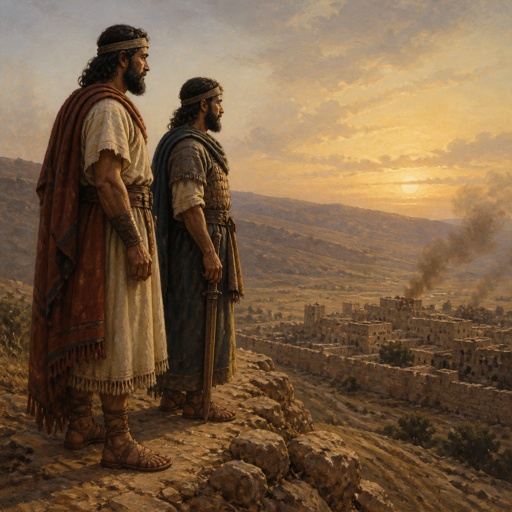
"And Judah went with Simeon his brother, and they slew the Canaanites that inhabited Zephath, and utterly destroyed it. And the name of the city was called Hormah." - Judges 1:17

Judges 17:13 - "Then said Micah, Now know I that the LORD will do me good, seeing I have a Levite to my priest."

Judges 17:5 - "And the man Micah had an house of gods, and made an ephod, and teraphim, and consecrated one of his sons, who became his priest."

Judges 5:17 - "Gilead abode beyond Jordan: and why did Dan remain in ships? Asher continued on the sea shore, and abode in his breaches."

Deuteronomy 19:17 - "Then both the men, between whom the controversy is, shall stand before the LORD, before the priests and the judges, which shall be in those days;"

Deuteronomy 1:16-17 - "And I charged your judges at that time, saying, Hear the causes between your brethren, and judge righteously between every man and his brother, and the stranger that is with him. Ye shall not respect persons in judgment; but ye shall hear the small as well as the great; ye shall not be afraid of the face of man; for the judgment is God's: and the cause that is too hard for you, bring it unto me, and I will hear it."

Judges 20:17 - "And the men of Israel, beside Benjamin, were numbered four hundred thousand men that drew sword: all these were men of war."

Matthew 7:1 - "Judge not, that ye be not judged."

Judges 6:17 - "And he said unto him, If now I have found grace in thy sight, then shew me a sign that thou talkest with me."

Judges 4:4

Judges 2:31