What does Judges 17:13 mean?
“Then said Micah, Now know I that the LORD will do me good, seeing I have a Levite to my priest.” — Judges 17:13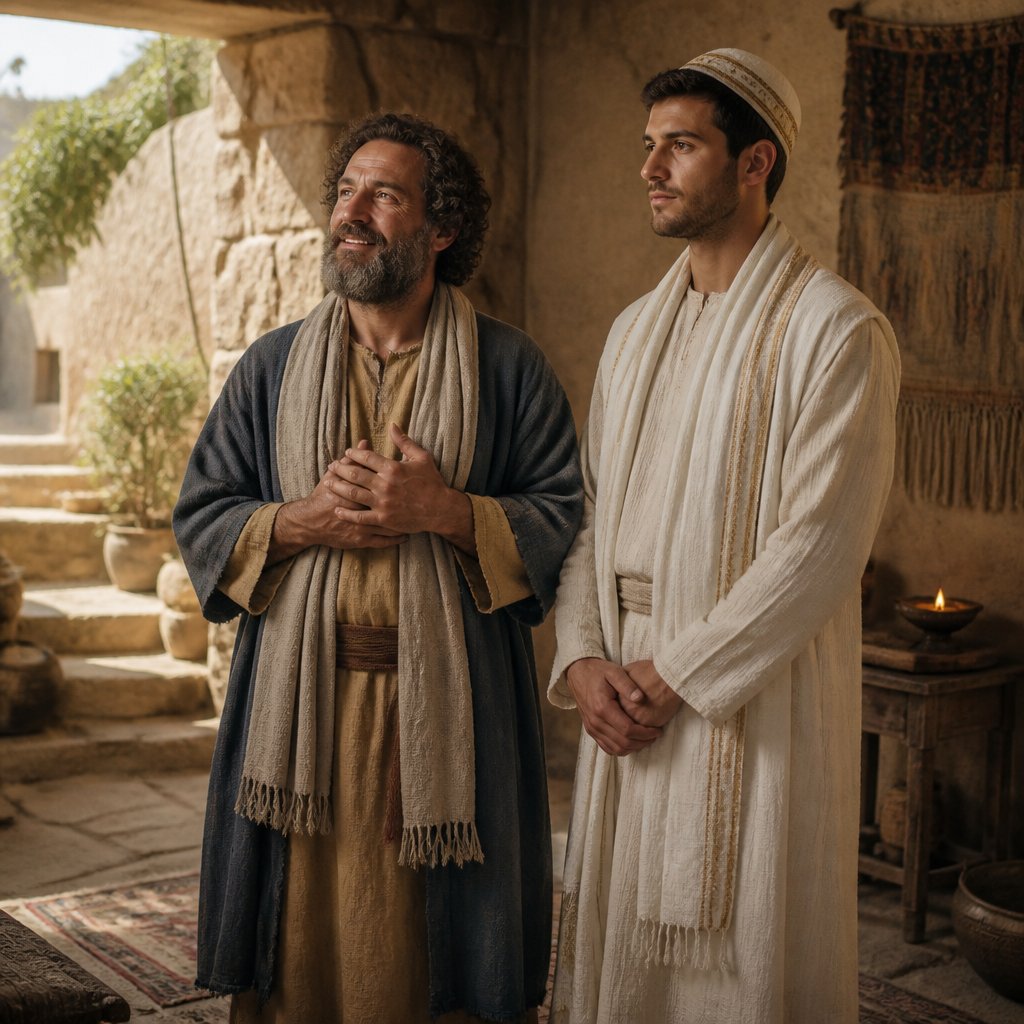
The Bible verse Judges 17:13 in the King James Version (KJV) reads: "Then said Micah, Now know I that the Lord will do me good, seeing I have a Levite to my priest." This verse is found within the book of Judges, which is part of the Old Testament and specifically takes place during a time in Israel's history when they were ruled by judges rather than kings. This particular verse is found in a section of the book that highlights the moral and spiritual decline of the nation of Israel.
To understand the full meaning and significance of this verse, it is important to provide some context. The story of Micah and the Levite takes place during a time when there was no king in Israel and the people were doing what was right in their own eyes (Judges 17:6). This context sets the stage for the events that unfold in the following verses.
In the preceding verses, we learn about Micah, a man from the hill country of Ephraim, who confesses to his mother that he had taken 1100 pieces of silver from her, which he then returns to her. In response, his mother decides to dedicate the silver to the Lord and has a craftsman make an idol for Micah. Micah then sets up a shrine, makes an ephod and household gods, and consecrates one of his sons to be his priest.
In verse 13, Micah expresses his belief that having a Levite as his priest will bring blessing and prosperity from the Lord. This statement reveals a fundamental misunderstanding of the nature of faith and relationship with God. Micah's belief is rooted in a transactional view of religion, where having a priest from the tribe of Levi is seen as a guarantee of divine favor and prosperity. This highlights the moral and spiritual confusion and corruption that pervaded Israel during this time, as people sought to manipulate and control their relationship with God.
The verse also sheds light on the role of the Levites in Israelite society. The Levites were one of the twelve tribes of Israel, but they were set apart for a specific purpose. They were not given a portion of land like the other tribes, but instead, they were designated as priests and given responsibilities for the tabernacle and later the temple. By having a Levite as his priest, Micah likely believed that he would have a direct line to God and would be assured of His blessings. However, this reflects a misunderstanding of God's character and the true nature of worship.
One of the themes that can be gleaned from this verse is the danger of syncretism and the mixing of different religious practices. Micah's actions of setting up his own shrine with homemade idols and appointing a Levite as his personal priest are a clear departure from the prescribed worship of Yahweh and reveal a lack of reverence for God's commandments. This highlights the larger issue of Israel's spiritual apostasy during this time, as they engaged in idolatry and failed to fully commit themselves to the covenant relationship with God.
Furthermore, the verse also serves as a reminder of the dangers of seeking to manipulate or control our relationship with God. Micah's belief that having a Levite as his priest would guarantee God's favor shows a lack of understanding of the true nature of faith and the need for genuine repentance and obedience. It serves as a cautionary tale against presuming upon God's blessings and taking them for granted, as well as the dangers of relying on external religious practices rather than cultivating a genuine relationship with God.
In conclusion, Judges 17:13 in the King James Version offers a glimpse into the moral and spiritual confusion that plagued Israel during this time. Through Micah's misguided belief that having a Levite as his priest would ensure God's blessings, the verse serves as a cautionary tale against a transactional view of faith and the dangers of syncretism. Ultimately, this verse calls for a genuine commitment to God and His commandments, rather than seeking to manipulate or control our relationship with Him.
Get our apps


Artwork for Judges 17:13

Judges 17:13 - "Then said Micah, Now know I that the LORD will do me good, seeing I have a Levite to my priest."

"Then said Micah, Now know I that the LORD will do me good, seeing I have a Levite to my priest." - Judges 17:13

Judges 13:17 - "And Manoah said unto the angel of the LORD, What is thy name, that when thy sayings come to pass we may do thee honour?"

Judges 17:1 - "And there was a man of mount Ephraim, whose name was Micah."

Judges 2:13 - "And they forsook the LORD, and served Baal and Ashtaroth."

Job 12:17 - "He leadeth counsellors away spoiled, and maketh the judges fools."

Judges 13:13 - "And the angel of the LORD said unto Manoah, Of all that I said unto the woman let her beware."

Judges 12:13 - "¶ And after him Abdon the son of Hillel, a Pirathonite, judged Israel."

Judges 8:17 - "And he beat down the tower of Penuel, and slew the men of the city."

"And Manoah said unto the angel of the LORD, What is thy name, that when thy sayings come to pass we may do thee honour?" - Judges 13:17

Judges 21:17 - "And they said, There must be an inheritance for them that be escaped of Benjamin, that a tribe be not destroyed out of Israel."

Judges 17:12 - "And Micah consecrated the Levite; and the young man became his priest, and was in the house of Micah."

Judges 3:17 - "And he brought the present unto Eglon king of Moab: and Eglon was a very fat man."

Judges 17:11 - "And the Levite was content to dwell with the man; and the young man was unto him as one of his sons."

Judges 2:17 - "And yet they would not hearken unto their judges, but they went a whoring after other gods, and bowed themselves unto them: they turned quickly out of the way which their fathers walked in, obeying the commandments of the LORD; but they did not so."

Judges 18:13 - "And they passed thence unto mount Ephraim, and came unto the house of Micah."

Judges 8:13 - "¶ And Gideon the son of Joash returned from battle before the sun was up,"

Judges 17:7 - "¶ And there was a young man out of Beth-lehem-judah of the family of Judah, who was a Levite, and he sojourned there."

Judges 13:3 make the Angel of the Lord male

Judges 17:6 - "In those days there was no king in Israel, but every man did that which was right in his own eyes."

Judges 9:17 - "(For my father fought for you, and adventured his life far, and delivered you out of the hand of Midian:"

Judges 10:17 - "Then the children of Ammon were gathered together, and encamped in Gilead. And the children of Israel assembled themselves together, and encamped in Mizpeh."

Judges 13:25 - "And the Spirit of the LORD began to move him at times in the camp of Dan between Zorah and Eshtaol."

"And there was a man of mount Ephraim, whose name was Micah." - Judges 17:1

Psalms 96:13 - "Before the LORD: for he cometh, for he cometh to judge the earth: he shall judge the world with righteousness, and the people with his truth."

Judges 13:2 - "¶ And there was a certain man of Zorah, of the family of the Danites, whose name was Manoah; and his wife was barren, and bare not."

"And they forsook the LORD, and served Baal and Ashtaroth." - Judges 2:13

Judges 13:24 - "¶ And the woman bare a son, and called his name Samson: and the child grew, and the LORD blessed him."

Genesis 17-13

Judges 1:17 - "And Judah went with Simeon his brother, and they slew the Canaanites that inhabited Zephath, and utterly destroyed it. And the name of the city was called Hormah."