What does Judges 18:2 mean?
“And the children of Dan sent of their family five men from their coasts, men of valour, from Zorah, and from Eshtaol, to spy out the land, and to search it; and they said unto them, Go, search the land: who when they came to mount Ephraim, to the house of Micah, they lodged there.” — Judges 18:2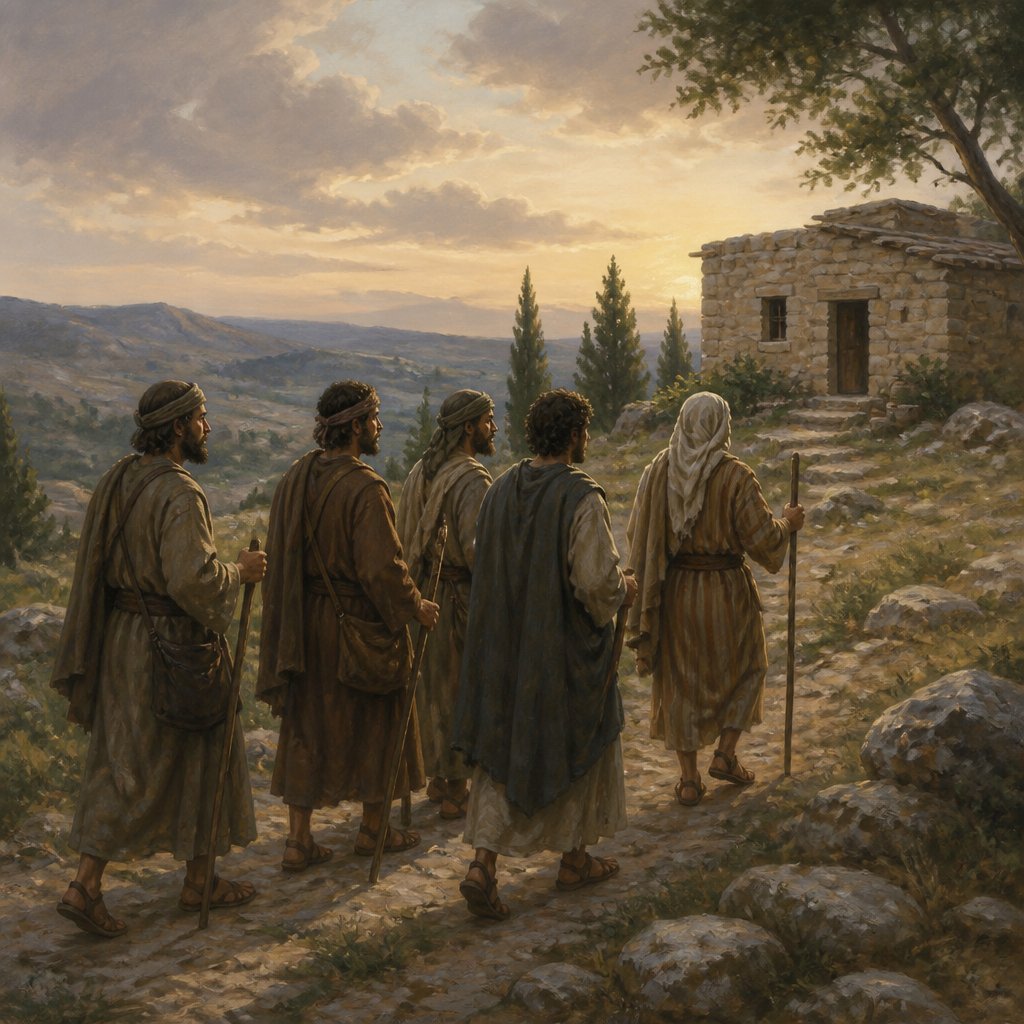
The Bible verse Judges 18:2 in the King James Version (KJV) reads: “And the children of Dan sent of their family five men from their coasts, men of valour, from Zorah, and from Eshtaol, to spy out the land, and to search it; and they said unto them, Go, search the land: who when they came to mount Ephraim, to the house of Micah, they lodged there.”
This verse is a part of the Old Testament book of Judges, which chronicles the period of Israel’s history following the death of Joshua. During this time, Israel was in a state of transition, and the land was not fully conquered or settled. The book of Judges is filled with stories of the Israelites’ struggles with idolatry, sin, and oppression, as well as the rise of judges to deliver them from their enemies.
In this particular verse, the children of Dan, one of the twelve tribes of Israel, send five men from their family to spy out the land. The men are described as “men of valour,” indicating that they were brave and courageous. The men are sent to Zorah and Eshtaol, which were both towns in the territory assigned to the tribe of Dan. Their mission is to “spy out the land” and “search it,” suggesting that the tribe of Dan was looking to expand their territory and find a new place to settle.
As the men journey to fulfill their mission, they come to Mount Ephraim, which was in the territory of the tribe of Ephraim, one of the other twelve tribes of Israel. There, they come to the house of Micah and decide to lodge there for the night. The fact that they chose to stay at Micah’s house becomes significant later in the story, as it leads to a series of events that shape the fate of the tribe of Dan.
This verse sets the stage for the narrative that follows, in which the men of Dan encounter Micah and his Levite, who are practicing idolatry and have set up their own shrine with a graven image. The men of Dan end up stealing Micah’s religious items and convincing the Levite to come with them as their priest. This act of thievery and idolatry leads to dire consequences for the tribe of Dan and showcases the moral and spiritual decline of the Israelites during this time period.
One of the key themes present in this verse and the surrounding narrative is the Israelites’ struggle with idolatry and disobedience to God. Throughout the book of Judges, the Israelites repeatedly turn away from God and worship false idols, leading to cycles of sin, oppression, and deliverance. This verse serves as a reminder of the consequences of disobedience and the dangers of straying from God’s commands.
The story also highlights the theme of conquest and settlement, as the tribe of Dan seeks to find a new territory to claim as their own. However, their methods of achieving this goal are ultimately unethical and lead to their downfall. This serves as a cautionary tale about the importance of upholding moral and ethical principles, even in the pursuit of legitimate goals.
In terms of context, this verse takes place during a tumultuous period in Israel’s history, when the nation was still in the process of conquering and settling the Promised Land. The book of Judges provides a glimpse into the challenges and conflicts that the Israelites faced during this time, as well as the consequences of their actions.
In terms of symbolism, the story of the men of Dan and Micah’s shrine can be seen as a microcosm of the larger spiritual and moral struggles of the Israelites during this time period. The theft of Micah’s idols and the establishment of a false shrine represents the Israelites’ tendency to stray from God and embrace the worship of false gods. The consequences that follow serve as a warning about the dangers of idolatry and the importance of remaining faithful to God.
In summary, Judges 18:2 is a verse that sets the stage for a larger narrative about the spiritual and moral struggles of the Israelites during the period of the judges. It highlights themes of disobedience, conquest, and the dangers of idolatry, and serves as a cautionary tale about the consequences of straying from God’s commands. The verse offers valuable insights into the historical and spiritual context of the Old Testament, as well as timeless lessons about the importance of faithfulness and integrity.
Get our apps


Artwork for Judges 18:2

Judges 18:2 - "And the children of Dan sent of their family five men from their coasts, men of valour, from Zorah, and from Eshtaol, to spy out the land, and to search it; and they said unto them, Go, search the land: who when they came to mount Ephraim, to the house of Micah, they lodged there."
"And the children of Dan sent of their family five men from their coasts, men of valour, from Zorah, and from Eshtaol, to spy out the land, and to search it; and they said unto them, Go, search the land: who when they came to mount Ephraim, to the house of Micah, they lodged there." - Judges 18:2

Judges 2:18 - "And when the LORD raised them up judges, then the LORD was with the judge, and delivered them out of the hand of their enemies all the days of the judge: for it repented the LORD because of their groanings by reason of them that oppressed them and vexed them."

Luke 18:2 - "Saying, There was in a city a judge, which feared not God, neither regarded man:"

Judges 18:18 - "And these went into Micah's house, and fetched the carved image, the ephod, and the teraphim, and the molten image. Then said the priest unto them, What do ye?"
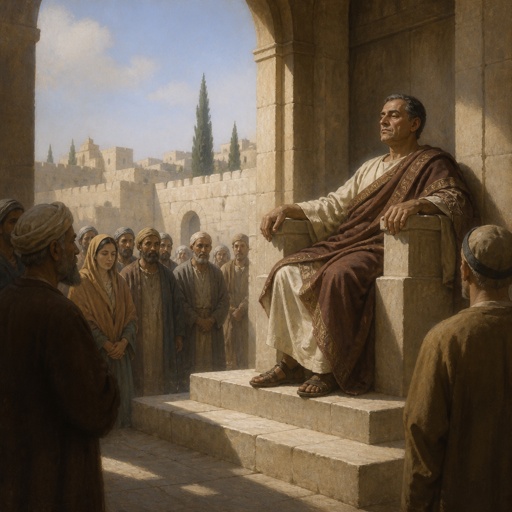
"Saying, There was in a city a judge, which feared not God, neither regarded man:" - Luke 18:2

Judges 18:13 - "And they passed thence unto mount Ephraim, and came unto the house of Micah."

Judges 18: Micah’s Influence: A Spiritual Ripple Effect

Judges 18:21 - "So they turned and departed, and put the little ones and the cattle and the carriage before them."
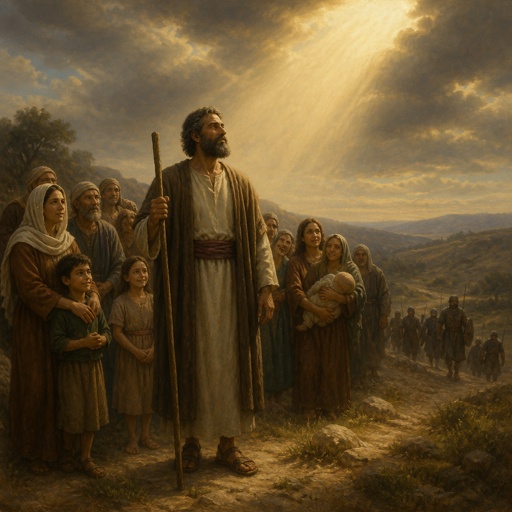
"And when the LORD raised them up judges, then the LORD was with the judge, and delivered them out of the hand of their enemies all the days of the judge: for it repented the LORD because of their groanings by reason of them that oppressed them and vexed them." - Judges 2:18

Exodus 18:26 - "And they judged the people at all seasons: the hard causes they brought unto Moses, but every small matter they judged themselves."

Judges 5:18 - "Zebulun and Naphtali were a people that jeoparded their lives unto the death in the high places of the field."

Judges 18:20 - "And the priest's heart was glad, and he took the ephod, and the teraphim, and the graven image, and went in the midst of the people."

Judges 18:8 - "And they came unto their brethren to Zorah and Eshtaol: and their brethren said unto them, What say ye?"

Judges 1:18 - "Also Judah took Gaza with the coast thereof, and Askelon with the coast thereof, and Ekron with the coast thereof."

Judges 3:18 - "And when he had made an end to offer the present, he sent away the people that bare the present."

Judges 18:15 - "And they turned thitherward, and came to the house of the young man the Levite, even unto the house of Micah, and saluted him."

Judges 18:6 - "And the priest said unto them, Go in peace: before the LORD is your way wherein ye go."

Judges 18:16 - "And the six hundred men appointed with their weapons of war, which were of the children of Dan, stood by the entering of the gate."

Judges 2:16 - "¶ Nevertheless the LORD raised up judges, which delivered them out of the hand of those that spoiled them."

Judges 13:18 - "And the angel of the LORD said unto him, Why askest thou thus after my name, seeing it is secret?"

Judges 18:31 - "And they set them up Micah's graven image, which he made, all the time that the house of God was in Shiloh."

Luke 18:6 - "And the Lord said, Hear what the unjust judge saith."

Judges 2:31

Psalms 10:18 - "To judge the fatherless and the oppressed, that the man of the earth may no more oppress."

Deuteronomy 19:18 - "And the judges shall make diligent inquisition: and, behold, if the witness be a false witness, and hath testified falsely against his brother;"

Judges 18:11 - "¶ And there went from thence of the family of the Danites, out of Zorah and out of Eshtaol, six hundred men appointed with weapons of war."

Judges 18:23 - "And they cried unto the children of Dan. And they turned their faces, and said unto Micah, What aileth thee, that thou comest with such a company?"

Judges 18:4 - "And he said unto them, Thus and thus dealeth Micah with me, and hath hired me, and I am his priest."

Matthew 7:1-2 - "Do not judge, or you too will be judged. For in the same way you judge others, you will be judged, and with the measure you use, it will be measured to you."