What does Judges 19:12 mean?
“And his master said unto him, We will not turn aside hither into the city of a stranger, that is not of the children of Israel; we will pass over to Gibeah.” — Judges 19:12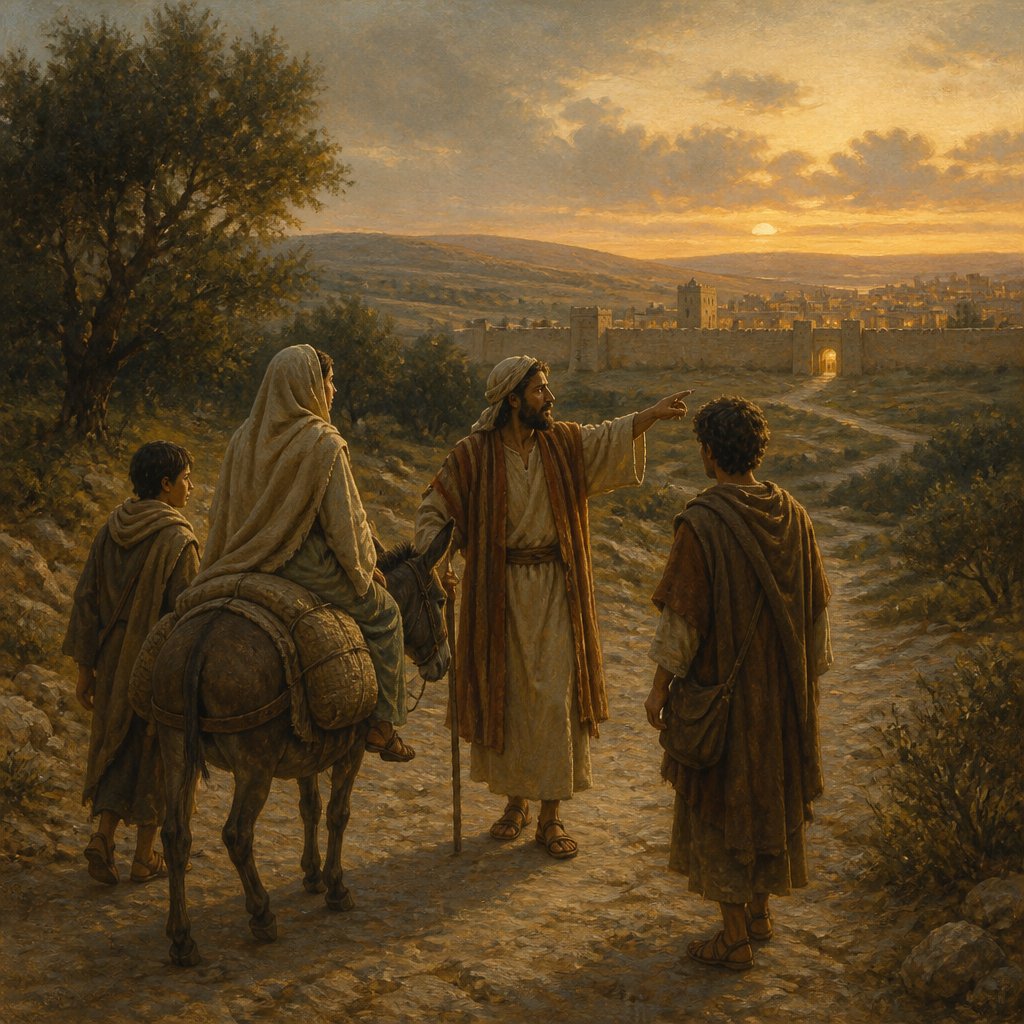
The verse Judges 19:12 from the King James Version of the Bible reads, "And his master said unto him, We will not turn aside hither into the city of a stranger, that is not of the children of Israel; we will pass over to Gibeah."
In order to fully understand the meaning and context of this verse, it is important to first look at the surrounding passages. The book of Judges is set in a time of turmoil and moral decay in Israel as they are led by various judges. In this particular chapter, we read about a Levite and his concubine who are traveling through the region of Ephraim. They seek shelter in the city of Gibeah, but are initially refused hospitality.
In this verse, the Levite's master expresses his apprehension about staying in a city that is not of the children of Israel, which means it is a city inhabited by non-Israelites. The refusal of hospitality to the Levite and his concubine is a clear violation of the ancient Near Eastern laws of hospitality, which were considered sacred and binding. The master's concern reflects the deep-seated distrust and fear of foreigners and non-Israelites that was prevalent during this time.
By refusing to turn aside into the city of a stranger, the master is prioritizing the safety and well-being of the Levite and himself, as well as adhering to the religious and cultural norms of the Israelites. This reflects the theme of the importance of maintaining one's identity and following the customs and traditions of one's own people. It also highlights the tension and conflict that can arise when navigating the complexities of interacting with those who are perceived as outsiders.
The symbolism in this verse lies in the idea of the city of a stranger representing the unfamiliar and the unknown. It serves as a metaphor for the dangers and uncertainties that come with venturing into foreign territory. The reluctance to enter such a city reflects the deep-seated fear and mistrust of the "other," a sentiment that is all too common in human history and continues to be relevant in today's world.
Furthermore, this verse also sheds light on the broader theme of the moral and spiritual decay that is prevalent throughout the book of Judges. The refusal of hospitality and the reluctance to engage with those who are perceived as strangers reflects the erosion of compassion, empathy, and basic human decency. It serves as a reminder of the consequences of straying from the path of righteousness and succumbing to the influences of a morally bankrupt society.
In conclusion, Judges 19:12 from the King James Version of the Bible offers a thought-provoking commentary on the themes of identity, hospitality, fear of the unknown, and moral decay. It serves as a cautionary tale about the dangers of succumbing to prejudice and the importance of upholding moral and ethical principles, even in the face of uncertainty and adversity. This verse continues to resonate with readers today, prompting us to reflect on our own attitudes towards the "other" and the importance of treating all individuals with compassion and respect, regardless of their background or identity.
Get our apps


Artwork for Judges 19:12
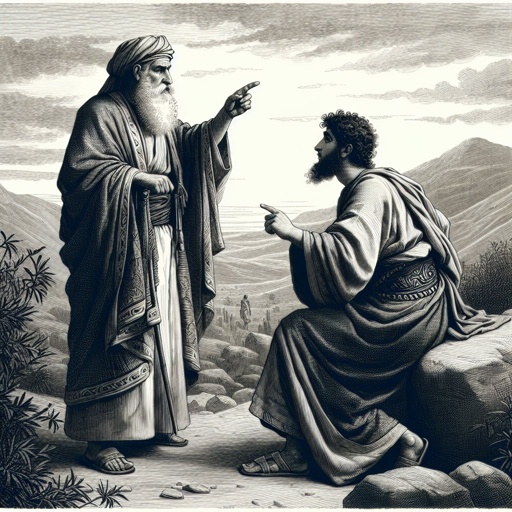
Judges 19:12 - "And his master said unto him, We will not turn aside hither into the city of a stranger, that is not of the children of Israel; we will pass over to Gibeah."
"And his master said unto him, We will not turn aside hither into the city of a stranger, that is not of the children of Israel; we will pass over to Gibeah." - Judges 19:12

Judges 12:12 - "And Elon the Zebulonite died, and was buried in Aijalon in the country of Zebulun."

Judges 12:11 - "¶ And after him Elon, a Zebulonite, judged Israel; and he judged Israel ten years."

Judges 20:19 - "And the children of Israel rose up in the morning, and encamped against Gibeah."

Judges 12:8 - "¶ And after him Ibzan of Beth-lehem judged Israel."

Judges 12:10 - "Then died Ibzan, and was buried at Beth-lehem."

Judges 12:13 - "¶ And after him Abdon the son of Hillel, a Pirathonite, judged Israel."

Judges 19:19 - "Yet there is both straw and provender for our asses; and there is bread and wine also for me, and for thy handmaid, and for the young man which is with thy servants: there is no want of any thing."

2 Chronicles 19:6 - "And said to the judges, Take heed what ye do: for ye judge not for man, but for the LORD, who is with you in the judgment."

"And Elon the Zebulonite died, and was buried in Aijalon in the country of Zebulun." - Judges 12:12

Job 12:17 - "He leadeth counsellors away spoiled, and maketh the judges fools."

2 Chronicles 19:5 - "¶ And he set judges in the land throughout all the fenced cities of Judah, city by city,"

Judges 5:19 - "The kings came and fought, then fought the kings of Canaan in Taanach by the waters of Megiddo; they took no gain of money."

Judges 12:7 - "And Jephthah judged Israel six years. Then died Jephthah the Gileadite, and was buried in one of the cities of Gilead."

Judges 4:12 - "And they shewed Sisera that Barak the son of Abinoam was gone up to mount Tabor."

Judges 9:12 - "Then said the trees unto the vine, Come thou, and reign over us."

Judges 17:12 - "And Micah consecrated the Levite; and the young man became his priest, and was in the house of Micah."

1 Corinthians 5:12 - "For what have I to do to judge them also that are without? do not ye judge them that are within?"

Judges 19:14 - "And they passed on and went their way; and the sun went down upon them when they were by Gibeah, which belongeth to Benjamin."

John 12:47 - "And if any man hear my words, and believe not, I judge him not: for I came not to judge the world, but to save the world."

Judges 19:26 - "Then came the woman in the dawning of the day, and fell down at the door of the man's house where her lord was, till it was light."

Judges 19:7 - "And when the man rose up to depart, his father in law urged him: therefore he lodged there again."

Judges 12:15 - "And Abdon the son of Hillel the Pirathonite died, and was buried in Pirathon in the land of Ephraim, in the mount of the Amalekites."

Deuteronomy 19:18 - "And the judges shall make diligent inquisition: and, behold, if the witness be a false witness, and hath testified falsely against his brother;"

Judges 12:14 - "And he had forty sons and thirty nephews, that rode on threescore and ten ass colts: and he judged Israel eight years."

Judges 19:21 - "So he brought him into his house, and gave provender unto the asses: and they washed their feet, and did eat and drink."

"¶ And after him Ibzan of Beth-lehem judged Israel." - Judges 12:8

Genesis 19-12

"Then died Ibzan, and was buried at Beth-lehem." - Judges 12:10