What does Judges 1:29 mean?
“Neither did Ephraim drive out the Canaanites that dwelt in Gezer; but the Canaanites dwelt in Gezer among them.” — Judges 1:29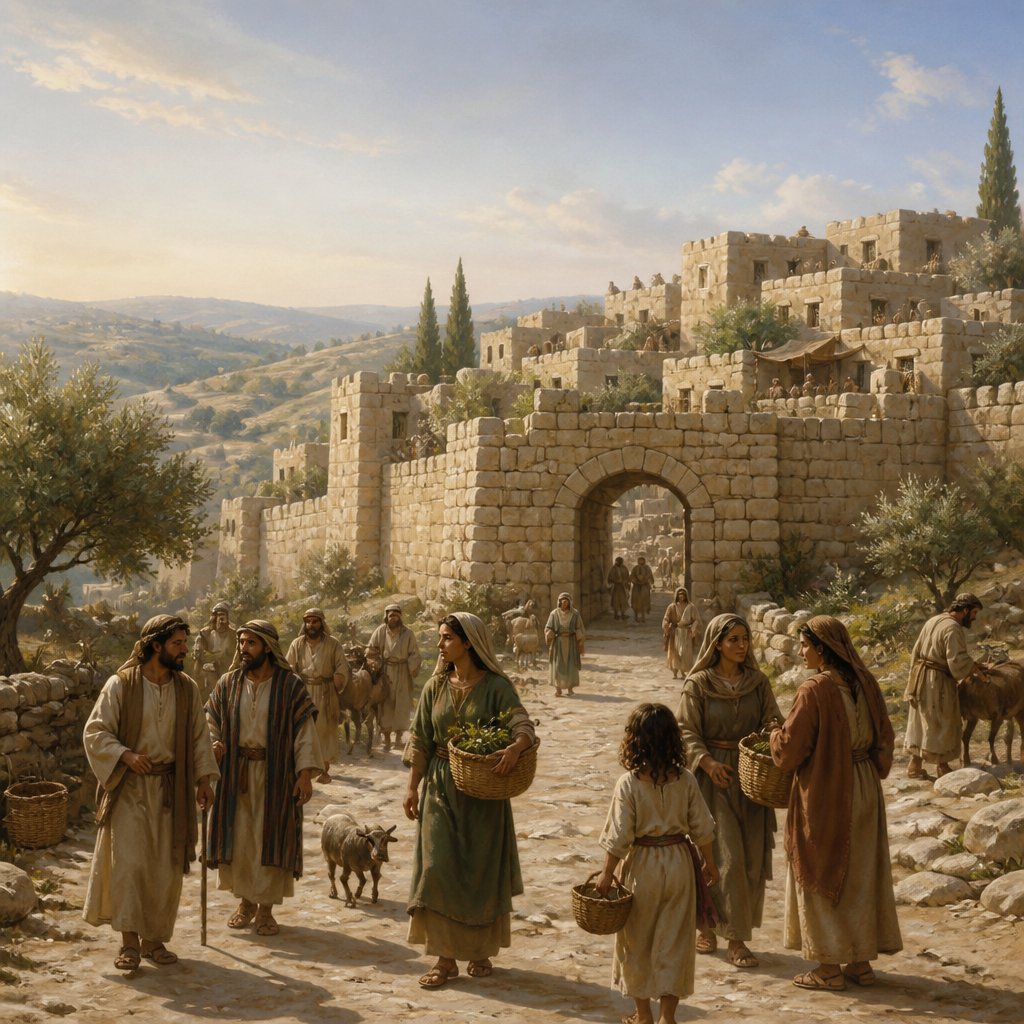
The Bible verse Judges 1:29 in the King James Version reads, "Neither did Ephraim drive out the Canaanites that dwelt in Gezer; but the Canaanites dwelt in Gezer among them."
This verse is part of the historical narrative of the book of Judges, which follows the Israelites as they settle in the Promised Land following their exodus from Egypt. The book of Judges depicts a time of transition and turmoil as the Israelites struggle to conquer the land and establish themselves as a nation.
In this particular verse, the failure of the tribe of Ephraim to drive out the Canaanites from the city of Gezer is mentioned. This failure has significant historical and theological implications for the Israelites and serves as a cautionary tale about the consequences of disobedience and compromise.
One of the key themes in the book of Judges is the Israelites' repeated failure to fully conquer and possess the land that God had promised to them. This failure is often attributed to their disobedience and lack of faith in God's promises. The verse in question is a prime example of this recurring theme, as the tribe of Ephraim neglected to fully obey God's command to drive out the Canaanites from the land.
The context of this verse is important for understanding its significance. Gezer was a strategic city located in the hill country of Canaan, and its possession would have given the Israelites a vital foothold in the region. However, the tribe of Ephraim failed to fully drive out the Canaanites from the city, allowing them to remain in their midst. This compromise would later prove to be detrimental to the Israelites, as the Canaanites posed a constant threat to their security and stability in the land.
The symbolism of this verse lies in the broader theological implications of the Israelites' failure to fully conquer the Promised Land. The Canaanites, who were the original inhabitants of the land, are often seen as symbolic of the sinful and idolatrous practices that the Israelites were meant to eradicate. By allowing the Canaanites to remain in Gezer, the tribe of Ephraim compromised their religious and moral integrity, which ultimately led to the corruption and spiritual decline of the nation as a whole.
Furthermore, this verse serves as a reminder of the importance of obedience and faithfulness in the life of a believer. The Israelites' failure to fully possess the Promised Land serves as a warning against compromising with sin and disobedience to God's commands. It highlights the destructive consequences of allowing sinful influences to remain in our lives, and the importance of wholehearted obedience to God.
In conclusion, Judges 1:29 in the King James Version of the Bible holds profound theological and moral significance. It serves as a reminder of the importance of obedience, faithfulness, and wholehearted devotion to God's commands. Its historical context and theological symbolism make it a powerful and cautionary passage for believers today, urging them to fully surrender to God and resist the temptations of compromise and disobedience.
Get our apps


Artwork for Judges 1:29
Judges 1:29 - "¶ Neither did Ephraim drive out the Canaanites that dwelt in Gezer; but the Canaanites dwelt in Gezer among them."
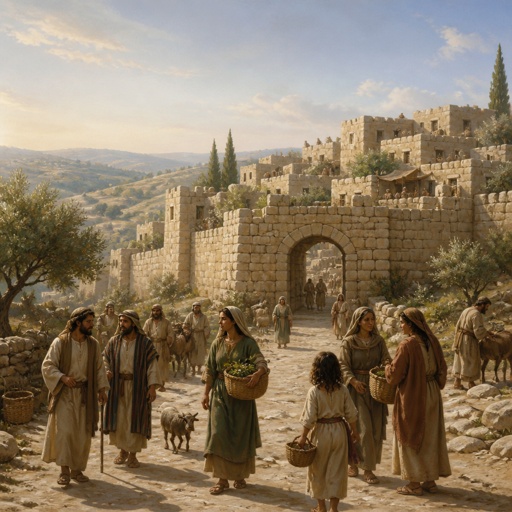
"¶ Neither did Ephraim drive out the Canaanites that dwelt in Gezer; but the Canaanites dwelt in Gezer among them." - Judges 1:29

1 Chronicles 26:29 - "¶ Of the Izharites, Chenaniah and his sons were for the outward business over Israel, for officers and judges."

1 Corinthians 14:29 - "Let the prophets speak two or three, and let the other judge."

1 Corinthians 10:29 - "Conscience, I say, not thine own, but of the other: for why is my liberty judged of another man's conscience?"

Judges 20:29 - "And Israel set liers in wait round about Gibeah."

Judges 8:29 - "And Jerubbaal the son of Joash went and dwelt in his own house."

"¶ Of the Izharites, Chenaniah and his sons were for the outward business over Israel, for officers and judges." - 1 Chronicles 26:29

Judges 5:29 - "Her wise ladies answered her, yea, she returned answer to herself,"

"Let the prophets speak two or three, and let the other judge." - 1 Corinthians 14:29

Gideon's ephod in Judges 8:29 and peoplw worshipping him

Judges 3:29 - "And they slew of Moab at that time about ten thousand men, all lusty, and all men of valour; and there escaped not a man."
"And Israel set liers in wait round about Gibeah." - Judges 20:29

Judges 18:29 - "And they called the name of the city Dan, after the name of Dan their father, who was born unto Israel: howbeit the name of the city was Laish at the first."

Judges 6:29 - "And they said one to another, Who hath done this thing? And when they enquired and asked, they said, Gideon the son of Joash hath done this thing."
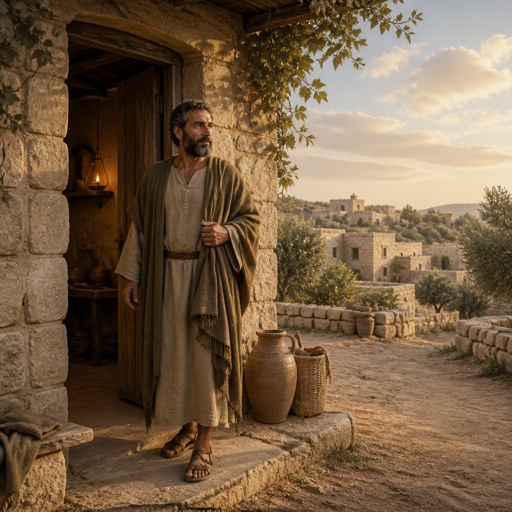
"And Jerubbaal the son of Joash went and dwelt in his own house." - Judges 8:29

Judges 9:29 - "And would to God this people were under my hand! then would I remove Abimelech. And he said to Abimelech, Increase thine army, and come out."
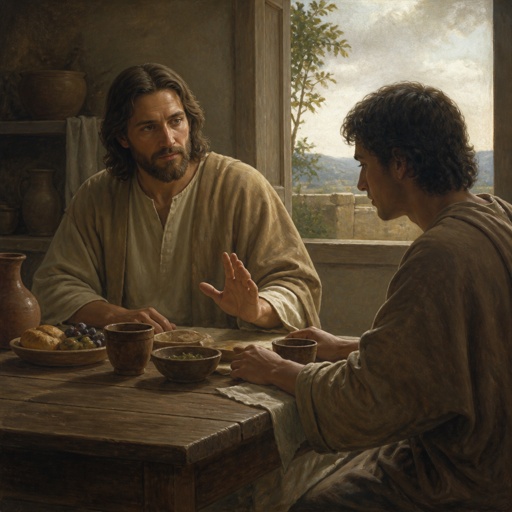
"Conscience, I say, not thine own, but of the other: for why is my liberty judged of another man's conscience?" - 1 Corinthians 10:29

Judges 16:29 - "And Samson took hold of the two middle pillars upon which the house stood, and on which it was borne up, of the one with his right hand, and of the other with his left."
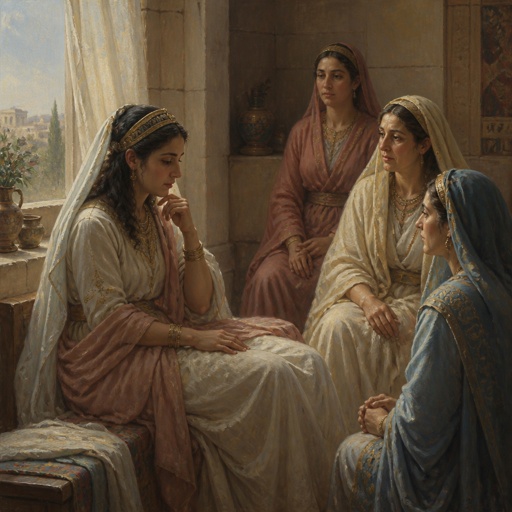
"Her wise ladies answered her, yea, she returned answer to herself," - Judges 5:29

Judges 11:29 - "¶ Then the Spirit of the LORD came upon Jephthah, and he passed over Gilead, and Manasseh, and passed over Mizpeh of Gilead, and from Mizpeh of Gilead he passed over unto the children of Ammon."

Matthew 7:1 - "Judge not, that ye be not judged."

Judges 4:4

Judges 2:31

Judges 3:31

Matthew 7:1-2 - "Do not judge, or you too will be judged. For in the same way you judge others, you will be judged, and with the measure you use, it will be measured to you."

luke 1:29

psalm 29

psalm 29

"Judge not, that ye be not judged." - Matthew 7:1