What does Judges 21:1 mean?
“Now the men of Israel had sworn in Mizpeh, saying, There shall not any of us give his daughter unto Benjamin to wife.” — Judges 21:1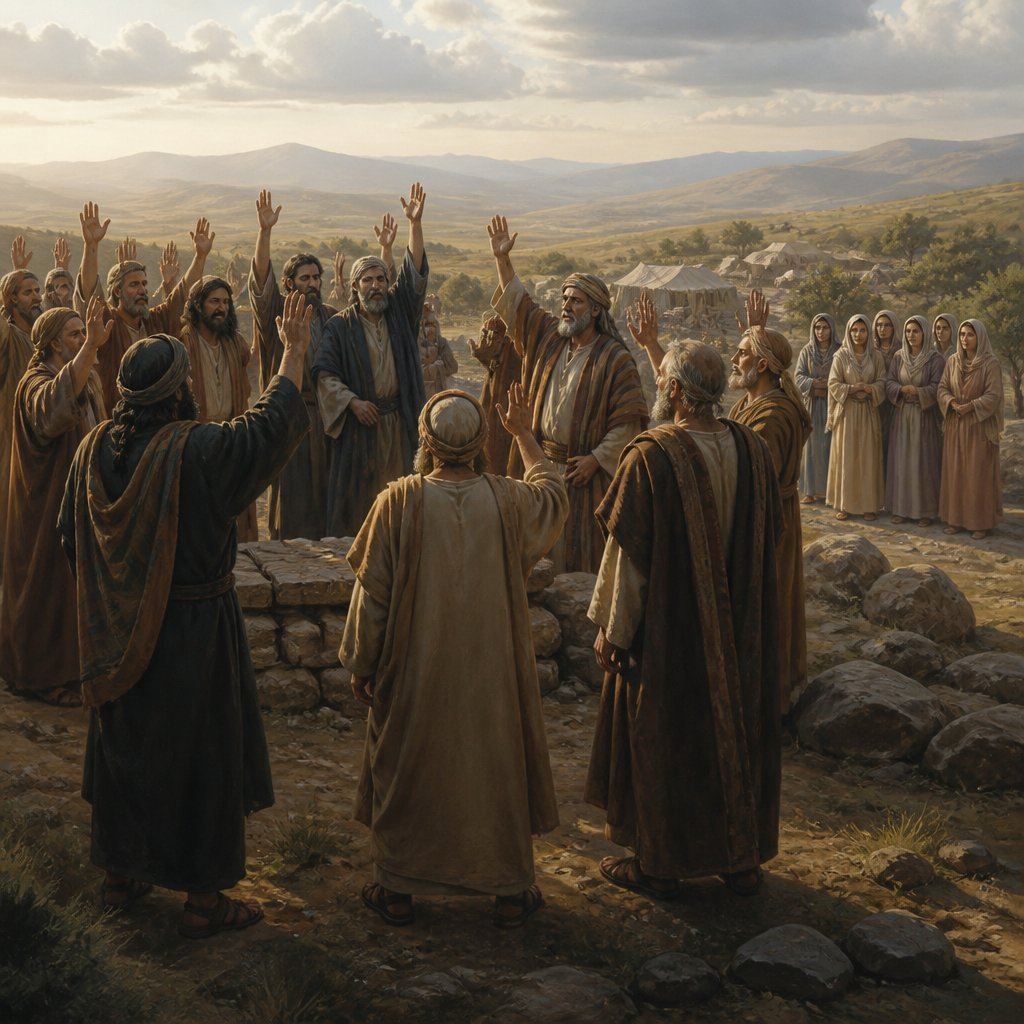
The verse Judges 21:1 in the King James Version of the Bible reads, "Now the men of Israel had sworn in Mizpeh, saying, There shall not any of us give his daughter unto Benjamin to wife." This verse comes at the end of the book of Judges, which recounts a tumultuous period in Israel's history characterized by moral and spiritual decline, as well as political instability. The verse is part of the final chapter of the book, which details the aftermath of a tragic event involving the tribe of Benjamin.
To understand the significance of this verse, it is important to provide some context. The book of Judges describes a time in Israel's history when the people were ruled by "judges," charismatic leaders who rose up to deliver the nation from its enemies and to lead the people back to God. However, the period of the judges was marked by cycles of disobedience, oppression, repentance, and deliverance.
In Judges 19-21, a disturbing incident takes place involving a Levite who stays in Gibeah, a city in the territory of the tribe of Benjamin. The men of the city engage in an act of extreme violence against his concubine, which leads to her death. The Levite then cuts her body into twelve pieces and sends them to the twelve tribes of Israel, leading to a gathering of the Israelites to address the atrocity. In response, the leaders of the other tribes demand that the perpetrators of the crime be handed over for punishment, but the Benjamites refuse. This refusal leads to a civil war between the tribe of Benjamin and the rest of Israel, resulting in the near annihilation of the Benjamites.
The aftermath of the war leaves the other tribes grappling with the consequences of their actions. The men of Israel had made a vow at Mizpeh stating that they would not give their daughters in marriage to the men of Benjamin. This vow was made out of a sense of loyalty and solidarity with the rest of the Israelite tribes, and it also served as a means of punishing the Benjamites for their refusal to hand over the perpetrators of the crime.
The significance of this verse lies in the themes of justice, loyalty, and the consequences of rash vows. The men of Israel were determined to uphold their vow even after the devastating war with the Benjamites, demonstrating the seriousness with which they regarded their oath. However, the vow also imposed a severe restriction on the options available to the remaining men of Benjamin, potentially leading to the extinction of the tribe.
The book of Judges as a whole provides a sobering depiction of the moral and spiritual condition of Israel during this period. The cycle of sin, judgment, and deliverance that characterizes the book signifies the importance of faithfulness to God and the dire consequences of turning away from Him. The events detailed in Judges 21 exemplify the complex and often problematic dynamics of human relationships and the choices that individuals and communities make. It serves as a cautionary tale about the importance of judiciously considering the implications of one's vows and the far-reaching effects of one's actions.
In addition to its historical and moral implications, the verse also carries a symbolic weight. The vow made at Mizpeh reflects the theme of the indivisibility and interdependence of the twelve tribes of Israel. This reinforces the idea of unity and solidarity among the Israelites, and the consequences of forsaking this unity.
In conclusion, Judges 21:1 in the King James Version of the Bible marks the culmination of a dark and tumultuous period in Israel's history, underscoring the themes of justice, loyalty, and the consequences of hasty vows. The verse serves as a poignant reminder of the complexities and challenges of faithfulness, as well as the enduring relevance of the moral and spiritual lessons conveyed in the book of Judges.
Get our apps


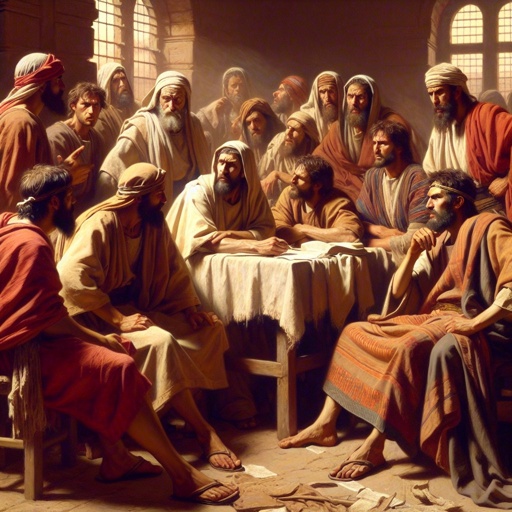
Artwork for Judges 21:1

Judges 21:1 - "Now the men of Israel had sworn in Mizpeh, saying, There shall not any of us give his daughter unto Benjamin to wife."
"Now the men of Israel had sworn in Mizpeh, saying, There shall not any of us give his daughter unto Benjamin to wife." - Judges 21:1

Judges 1:21 - "And the children of Benjamin did not drive out the Jebusites that inhabited Jerusalem; but the Jebusites dwell with the children of Benjamin in Jerusalem unto this day."

Obadiah 1:21 - "And saviours shall come up on mount Zion to judge the mount of Esau; and the kingdom shall be the LORD'S."

Judges 21:20 - "Therefore they commanded the children of Benjamin, saying, Go and lie in wait in the vineyards;"

Judges 21:9 - "For the people were numbered, and, behold, there were none of the inhabitants of Jabesh-gilead there."

Judges 18:21 - "So they turned and departed, and put the little ones and the cattle and the carriage before them."

Judges 21:17 - "And they said, There must be an inheritance for them that be escaped of Benjamin, that a tribe be not destroyed out of Israel."

Judges 9:21 - "And Jotham ran away, and fled, and went to Beer, and dwelt there, for fear of Abimelech his brother."

Judges 21:15 - "And the people repented them for Benjamin, because that the LORD had made a breach in the tribes of Israel."

Judges 21:25 - "In those days there was no king in Israel: every man did that which was right in his own eyes."

Judges 21:21 - "And see, and, behold, if the daughters of Shiloh come out to dance in dances, then come ye out of the vineyards, and catch you every man his wife of the daughters of Shiloh, and go to the land of Benjamin."

Judges 7:21 - "And they stood every man in his place round about the camp: and all the host ran, and cried, and fled."

Judges 21:4 - "And it came to pass on the morrow, that the people rose early, and built there an altar, and offered burnt offerings and peace offerings."

Judges 13:21 - "But the angel of the LORD did no more appear to Manoah and to his wife. Then Manoah knew that he was an angel of the LORD."

Judges 21:6 - "And the children of Israel repented them for Benjamin their brother, and said, There is one tribe cut off from Israel this day."

Judges 21:2 - "And the people came to the house of God, and abode there till even before God, and lifted up their voices, and wept sore;"

Judges 21:13 - "And the whole congregation sent some to speak to the children of Benjamin that were in the rock Rimmon, and to call peaceably unto them."
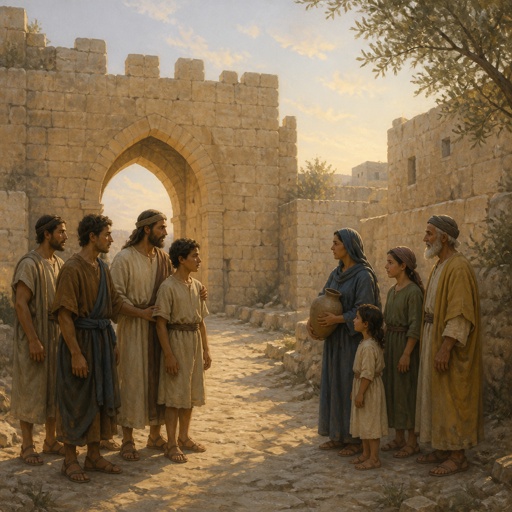
"And the children of Benjamin did not drive out the Jebusites that inhabited Jerusalem; but the Jebusites dwell with the children of Benjamin in Jerusalem unto this day." - Judges 1:21

Judges 19:21 - "So he brought him into his house, and gave provender unto the asses: and they washed their feet, and did eat and drink."

Judges 21:16 - "Then the elders of the congregation said, How shall we do for wives for them that remain, seeing the women are destroyed out of Benjamin?"

Judges 21:3 - "And said, O LORD God of Israel, why is this come to pass in Israel, that there should be to day one tribe lacking in Israel?"

Judges 20:21 - "And the children of Benjamin came forth out of Gibeah, and destroyed down to the ground of the Israelites that day twenty and two thousand men."
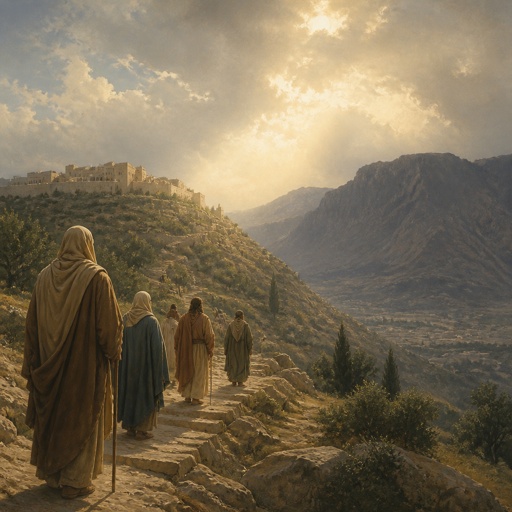
"And saviours shall come up on mount Zion to judge the mount of Esau; and the kingdom shall be the LORD'S." - Obadiah 1:21

Deuteronomy 21:2 - "Then thy elders and thy judges shall come forth, and they shall measure unto the cities which are round about him that is slain:"

Judges 2:21 - "I also will not henceforth drive out any from before them of the nations which Joshua left when he died:"

Judges 21:8 - "¶ And they said, What one is there of the tribes of Israel that came not up to Mizpeh to the LORD? And, behold, there came none to the camp from Jabesh-gilead to the assembly."

Judges 5:21 - "The river of Kishon swept them away, that ancient river, the river Kishon. O my soul, thou hast trodden down strength."

Judges 21:14 - "And Benjamin came again at that time; and they gave them wives which they had saved alive of the women of Jabesh-gilead: and yet so they sufficed them not."
Judges 21:7 - "How shall we do for wives for them that remain, seeing we have sworn by the LORD that we will not give them of our daughters to wives?"