What does Judges 2:12 mean?
"And they forsook the LORD God of their fathers, which brought them out of the land of Egypt, and followed other gods, of the gods of the people that were round about them, and bowed themselves unto them, and provoked the LORD to anger." - Judges 2:12
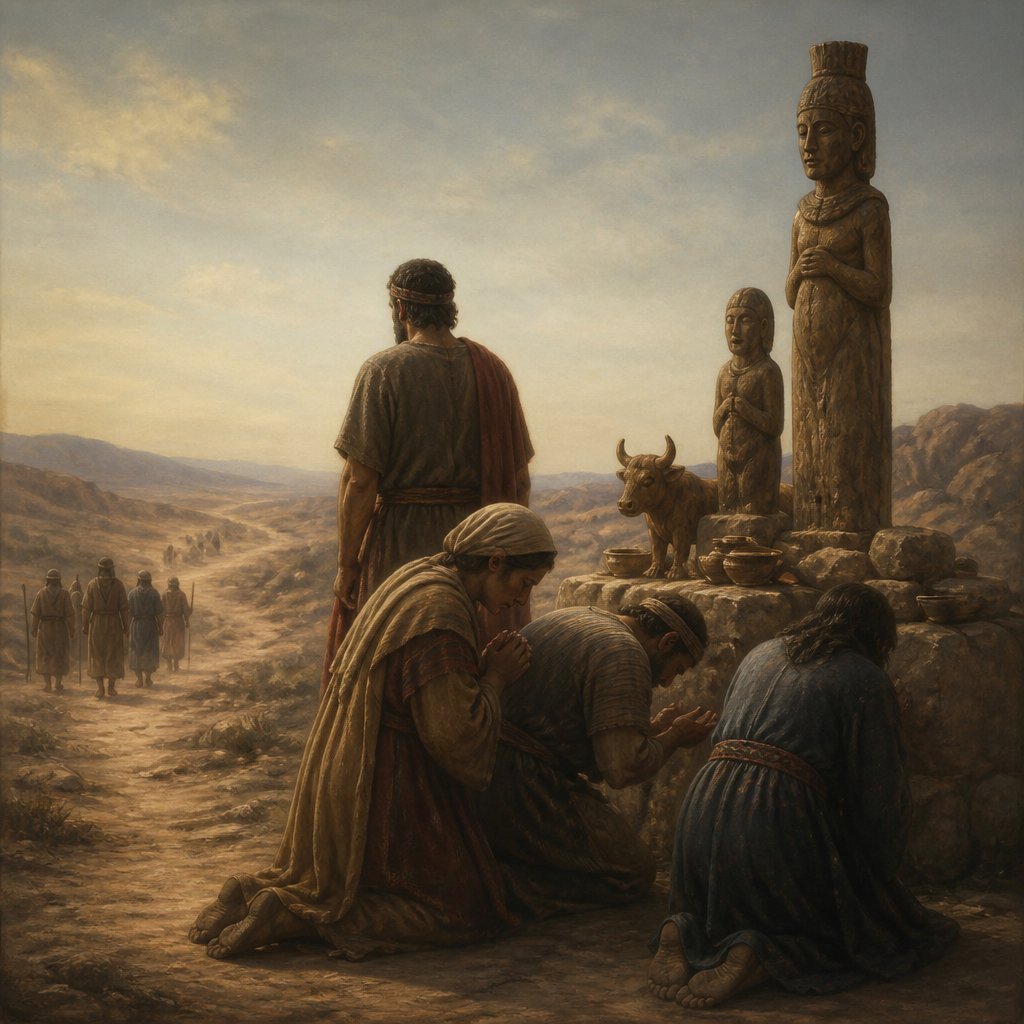
The verse Judges 2:12 from the King James Version of the Bible states:
"And they forsook the LORD God of their fathers, which brought them out of the land of Egypt, and followed other gods, of the gods of the people that were round about them, and bowed themselves unto them, and provoked the LORD to anger."
This verse comes from the Book of Judges, which is part of the Old Testament in the Bible. The Book of Judges is a historical narrative that covers the period of time between the death of Joshua and the rise of the monarchy in Israel. During this time, the Israelites were led by various judges, or military leaders, instead of having a central king.
The verse Judges 2:12 is part of the larger narrative in which the Israelites repeatedly fall into a pattern of sin and idolatry, followed by God's judgment and deliverance through the rise of a judge. This verse specifically points out the Israelites' unfaithfulness to God, as they turned away from the Lord and followed after other gods.
The verse underscores several important themes and concepts found throughout the Bible. One of the central themes is the idea of covenant and faithfulness. In the Old Testament, God made a covenant with the people of Israel, promising to be their God and to bless and protect them if they would remain faithful to Him and obey His commandments. However, the Israelites often forsook this covenant, turning to the worship of other gods and idols. This verse serves as a stark reminder of the consequences of unfaithfulness and the importance of remaining true to God's covenant.
The verse also speaks to the concept of idolatry, which is a recurring theme in the Bible. Idolatry involves the worship of false gods or the elevation of created things above the one true God. Throughout the Bible, idolatry is consistently condemned as a sin that provokes God's anger. In this verse, the Israelites are depicted as bowing down to and worshiping the gods of the surrounding nations, forsaking the Lord who had delivered them from Egypt. This act of idolatry is described as a direct provocation of God's anger and judgment.
The verse also touches on the issue of spiritual warfare and the ongoing battle between good and evil. When the Israelites turned away from the Lord and followed after other gods, they were not only breaking the covenant with God but also aligning themselves with the spiritual forces of darkness. This act of spiritual adultery not only angered God but also left the Israelites vulnerable to the influence and oppression of these false gods.
In terms of context, this verse comes at a time when the Israelites had entered into the promised land and had settled there. After the death of Joshua, the people began to turn away from God and followed after the gods of the Canaanite inhabitants. This led to a cycle of sin, judgment, repentance, and deliverance that characterizes much of the period of the judges.
Symbolically, this verse serves as a warning against spiritual infidelity and the dangers of allowing anything to come between oneself and God. The image of bowing down to other gods represents the act of giving one's allegiance and worship to anything other than the true God. The verse also serves as a reminder of the consequences of such unfaithfulness, as it provoked the anger of the Lord and led to the judgment of the Israelites.
Overall, Judges 2:12 carries significant theological and moral weight, serving as a cautionary tale about the dangers of unfaithfulness and the importance of remaining true to God's covenant. It reminds readers of the gravity of idolatry and the need to continually guard against anything that may lead them away from the worship and allegiance to the one true God.
Have questions about Judges 2:12?
Dive deeper into this scripture with Bible Chat — an AI-powered tool for exploring God's Word through conversation. Ask questions, get context, and grow in your understanding of the Bible.
Get Our Apps


Judges 2:12 Artwork

Judges 2:12 - "And they forsook the LORD God of their fathers, which brought them out of the land of Egypt, and followed other gods, of the gods of the people that were round about them, and bowed themselves unto them, and provoked the LORD to anger."
"And they forsook the LORD God of their fathers, which brought them out of the land of Egypt, and followed other gods, of the gods of the people that were round about them, and bowed themselves unto them, and provoked the LORD to anger." - Judges 2:12

James 2:12 - "So speak ye, and so do, as they that shall be judged by the law of liberty."

Judges 12:12 - "And Elon the Zebulonite died, and was buried in Aijalon in the country of Zebulun."
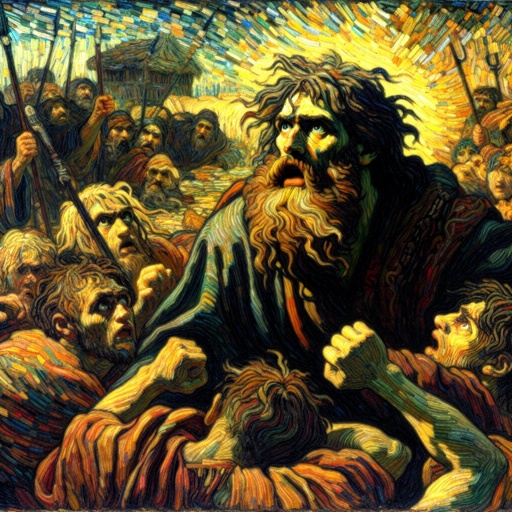
Judges 12:2 - "And Jephthah said unto them, I and my people were at great strife with the children of Ammon; and when I called you, ye delivered me not out of their hands."

Judges 12:11 - "¶ And after him Elon, a Zebulonite, judged Israel; and he judged Israel ten years."

Romans 2:12 - "For as many as have sinned without law shall also perish without law: and as many as have sinned in the law shall be judged by the law;"

Judges 12:8 - "¶ And after him Ibzan of Beth-lehem judged Israel."

Judges 12:10 - "Then died Ibzan, and was buried at Beth-lehem."

Judges 12:13 - "¶ And after him Abdon the son of Hillel, a Pirathonite, judged Israel."
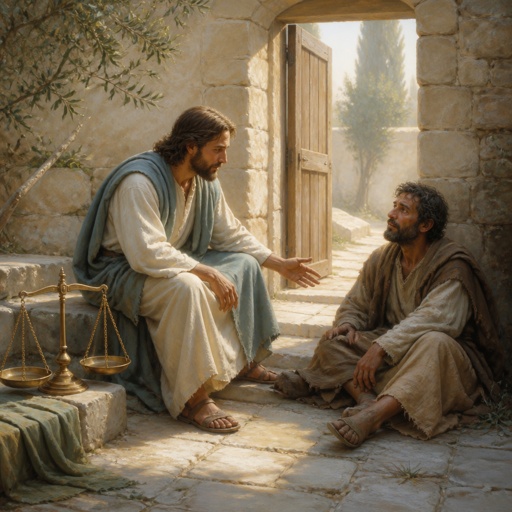
"So speak ye, and so do, as they that shall be judged by the law of liberty." - James 2:12

"And Elon the Zebulonite died, and was buried in Aijalon in the country of Zebulun." - Judges 12:12

Job 12:17 - "He leadeth counsellors away spoiled, and maketh the judges fools."

Judges 12:7 - "And Jephthah judged Israel six years. Then died Jephthah the Gileadite, and was buried in one of the cities of Gilead."

Judges 4:12 - "And they shewed Sisera that Barak the son of Abinoam was gone up to mount Tabor."

Judges 9:12 - "Then said the trees unto the vine, Come thou, and reign over us."

Judges 17:12 - "And Micah consecrated the Levite; and the young man became his priest, and was in the house of Micah."

1 Corinthians 5:12 - "For what have I to do to judge them also that are without? do not ye judge them that are within?"

John 12:47 - "And if any man hear my words, and believe not, I judge him not: for I came not to judge the world, but to save the world."

Judges 2:16 - "¶ Nevertheless the LORD raised up judges, which delivered them out of the hand of those that spoiled them."

Judges 12:15 - "And Abdon the son of Hillel the Pirathonite died, and was buried in Pirathon in the land of Ephraim, in the mount of the Amalekites."

Judges 2:31

Judges 12:14 - "And he had forty sons and thirty nephews, that rode on threescore and ten ass colts: and he judged Israel eight years."

2 Chronicles 20:12 - "O our God, wilt thou not judge them? for we have no might against this great company that cometh against us; neither know we what to do: but our eyes are upon thee."

"¶ And after him Ibzan of Beth-lehem judged Israel." - Judges 12:8

"Then died Ibzan, and was buried at Beth-lehem." - Judges 12:10

"¶ And after him Elon, a Zebulonite, judged Israel; and he judged Israel ten years." - Judges 12:11

Matthew 7:1-2 - "Do not judge, or you too will be judged. For in the same way you judge others, you will be judged, and with the measure you use, it will be measured to you."

"¶ And after him Abdon the son of Hillel, a Pirathonite, judged Israel." - Judges 12:13

Judges 6:12 - "And the angel of the LORD appeared unto him, and said unto him, The LORD is with thee, thou mighty man of valour."