What does Judges 5:9 mean?
“My heart is toward the governors of Israel, that offered themselves willingly among the people. Bless ye the LORD.” — Judges 5:9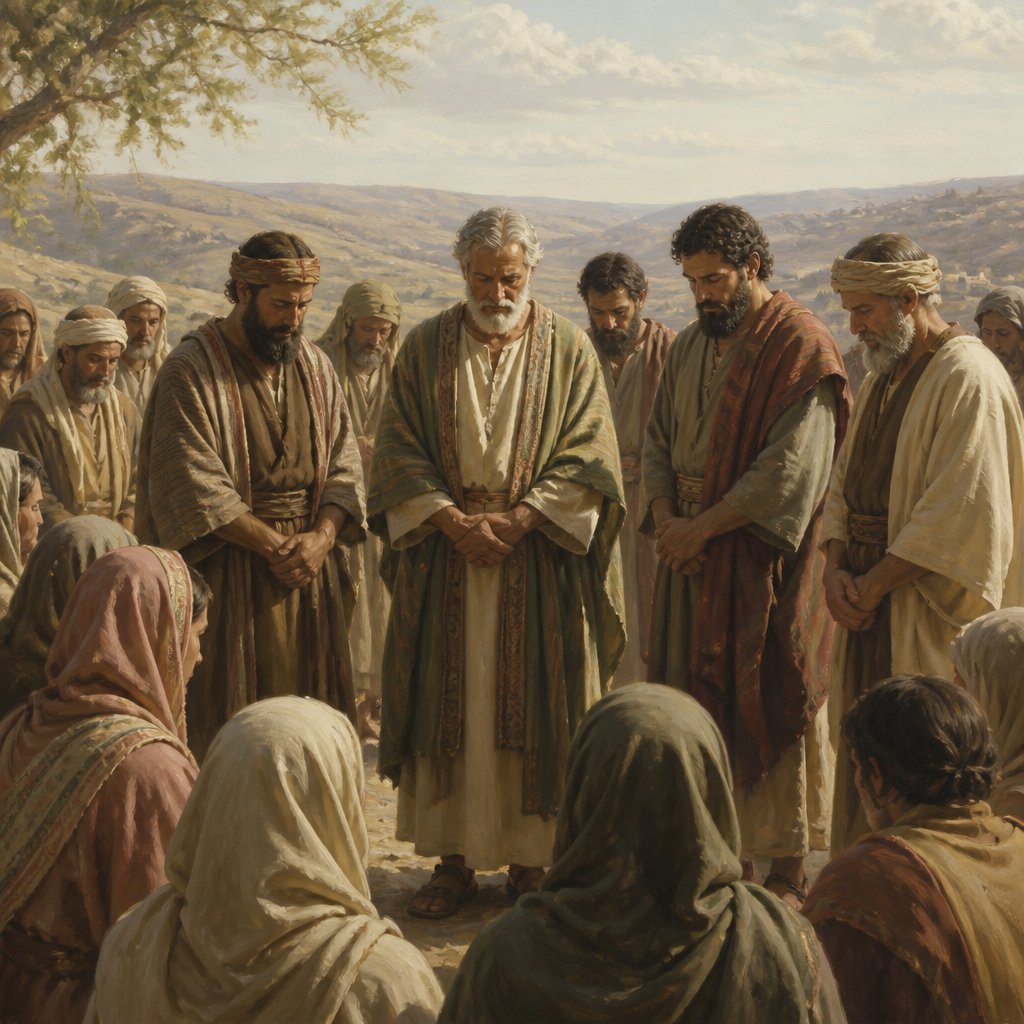
The verse Judges 5:9 in the King James Version of the Bible reads: "My heart is toward the governors of Israel, that offered themselves willingly among the people. Bless ye the LORD." This verse comes from the Book of Judges in the Old Testament, and it is part of a song that celebrates the victory of the Israelites over their oppressors, the Canaanites. In this verse, the speaker expresses their gratitude and admiration for the leaders of Israel who volunteered to fight for the nation's freedom.
The verse is part of a larger passage known as the "Song of Deborah," which is found in Judges 5:2-31. The song is traditionally attributed to the prophetess and judge, Deborah, and it recounts the events of the Battle of Mount Tabor, where Deborah and the Israelite general, Barak, led the people to victory over the Canaanite forces under the command of Sisera. The song is a celebration of the courage and faith of the Israelites, and it is a powerful expression of gratitude and praise to God for his role in the triumph.
Looking closely at Judges 5:9, we can see several themes and motifs woven into the verse. First and foremost, the verse portrays a sense of unity and solidarity among the Israelites. The leaders of Israel are praised for their willingness to step forward and offer themselves for the defense of the nation. This demonstrates a strong sense of communal responsibility and sacrifice, as the leaders are not acting for personal gain, but for the greater good of the entire community. The verse highlights the importance of selflessness and service to others, which are critical virtues in the biblical tradition.
Another theme present in this verse is the idea of divine blessing and gratitude. The speaker calls on the people to "Bless ye the LORD," acknowledging that the victory and the willingness of the Israelite leaders were made possible by the grace and favor of God. This verse emphasizes the importance of recognizing and giving thanks for the blessings that one receives, and it underscores the belief that all good things come from God.
Furthermore, the verse also reflects the concept of leadership and authority. The "governors of Israel" are praised for their voluntary commitment to lead and protect the nation. This highlights the significance of strong and virtuous leadership in the biblical worldview, as well as the idea that leaders should be willing to put themselves on the line for the well-being of their people.
Symbolism is also present in this verse. The heart, often used to symbolize the innermost thoughts and feelings of a person, is mentioned at the beginning of the verse. This indicates that the gratitude and admiration expressed by the speaker towards the Israelite leaders are genuine and heartfelt. It also suggests a deep emotional connection to the actions and sacrifices of the leaders, emphasizing the sincerity and intensity of their commitment.
In terms of historical and cultural context, the verse takes place during a tumultuous period in the history of ancient Israel. The Israelites were frequently oppressed by hostile neighboring nations, and their struggle for freedom and autonomy was a central theme in the Old Testament. The Song of Deborah can be seen as a rallying cry for the Israelites, encouraging them to remember their faith in God and to remain steadfast in the face of adversity.
In conclusion, Judges 5:9 is a rich and multifaceted verse that carries a significant message about sacrifice, gratitude, and leadership. It plays a key role in the larger narrative of the Book of Judges, and it resonates with timeless themes that continue to have relevance and importance in the contemporary world. The verse serves as a powerful reminder of the value of selfless service, the importance of acknowledging divine blessings, and the impact of strong and principled leadership.
Get our apps


Artwork for Judges 5:9

Judges 5:9 - "My heart is toward the governors of Israel, that offered themselves willingly among the people. Bless ye the LORD."
"My heart is toward the governors of Israel, that offered themselves willingly among the people. Bless ye the LORD." - Judges 5:9

James 5:9 - "Grudge not one against another, brethren, lest ye be condemned: behold, the judge standeth before the door."

Judges 9:5 - "And he went unto his father's house at Ophrah, and slew his brethren the sons of Jerubbaal, being threescore and ten persons, upon one stone: notwithstanding yet Jotham the youngest son of Jerubbaal was left; for he hid himself."

Judges 5:7

Judges 9:8-15

Judges 10:5 - "And Jair died, and was buried in Camon."

Judges 5:5 - "The mountains melted from before the LORD, even that Sinai from before the LORD God of Israel."

Judges 9:50 - "¶ Then went Abimelech to Thebez, and encamped against Thebez, and took it."
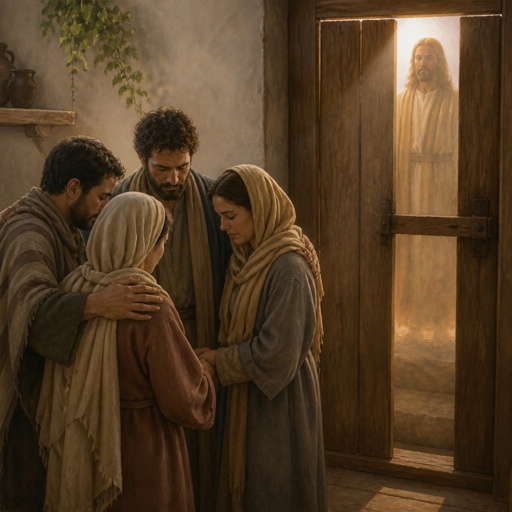
"Grudge not one against another, brethren, lest ye be condemned: behold, the judge standeth before the door." - James 5:9

Judges 5:1 - "Then sang Deborah and Barak the son of Abinoam on that day, saying,"

Judges 2:5 - "And they called the name of that place Bochim: and they sacrificed there unto the LORD."

Judges 9:22 - "¶ When Abimelech had reigned three years over Israel,"

Judges 15:9 - "¶ Then the Philistines went up, and pitched in Judah, and spread themselves in Lehi."

Judges 9:39 - "And Gaal went out before the men of Shechem, and fought with Abimelech."

Judges 5:20 - "They fought from heaven; the stars in their courses fought against Sisera."

Judges 21:9 - "For the people were numbered, and, behold, there were none of the inhabitants of Jabesh-gilead there."

Judges 5:22 - "Then were the horsehoofs broken by the means of the pransings, the pransings of their mighty ones."

Judges 9:42 - "And it came to pass on the morrow, that the people went out into the field; and they told Abimelech."

Judges 9:10 - "And the trees said to the fig tree, Come thou, and reign over us."

Judges 9:12 - "Then said the trees unto the vine, Come thou, and reign over us."

Judges 9:47 - "And it was told Abimelech, that all the men of the tower of Shechem were gathered together."

Psalms 98:9 - "Before the LORD; for he cometh to judge the earth: with righteousness shall he judge the world, and the people with equity."

Judges 9:9 - "But the olive tree said unto them, Should I leave my fatness, wherewith by me they honour God and man, and go to be promoted over the trees?"

Judges 9:32 - "Now therefore up by night, thou and the people that is with thee, and lie in wait in the field:"

Judges 9:14 - "Then said all the trees unto the bramble, Come thou, and reign over us."

"And Jair died, and was buried in Camon." - Judges 10:5

Judges 9:46 - "¶ And when all the men of the tower of Shechem heard that, they entered into an hold of the house of the god Berith."

Judges 5:29 - "Her wise ladies answered her, yea, she returned answer to herself,"

Judges 5:10 - "Speak, ye that ride on white asses, ye that sit in judgment, and walk by the way."