What does Judges 6:14 mean?
"And the LORD looked upon him, and said, Go in this thy might, and thou shalt save Israel from the hand of the Midianites: have not I sent thee?" - Judges 6:14
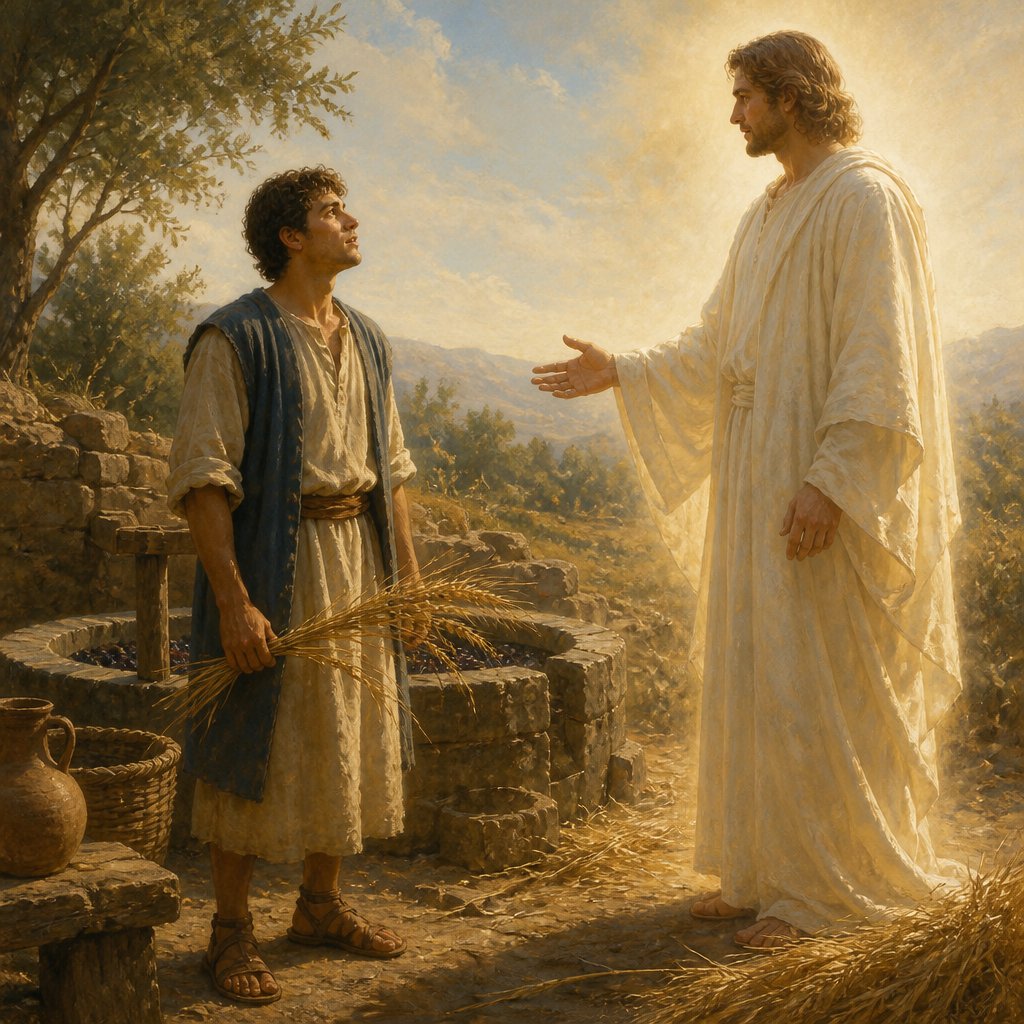
The verse Judges 6:14 from the King James Version (KJV) of the Bible states, "And the Lord looked upon him, and said, Go in this thy might, and thou shalt save Israel from the hand of the Midianites: have not I sent thee?"
This verse is found within the context of the story of Gideon, one of the judges of Israel. At this point in the narrative, the people of Israel had once again turned away from God and were being oppressed by the Midianites. God chose Gideon, a seemingly weak and insignificant man from the least of the tribes of Israel, to be the leader who would deliver his people from their oppressors.
The verse is significant in its depiction of God's call to Gideon and his promise to be with him in the task of saving Israel. The phrase "Go in this thy might" is especially noteworthy, as it speaks to the idea that Gideon's strength and power to accomplish this great task would come from the Lord. This concept of God empowering the weak and insignificant to achieve great things is a recurring theme throughout the Bible, and it continues to be a source of hope and inspiration for believers today.
The themes present in this verse are numerous and profound. The overarching theme is that of God's sovereignty and his faithfulness to his people. Despite their continued disobedience and unfaithfulness, God does not abandon the people of Israel. Instead, he raises up a leader to deliver them and demonstrates his power through their weakness.
The verse also presents the theme of God's call on an individual's life. Gideon was just an ordinary man, not a mighty warrior or a prominent leader. Yet, God saw potential in him and chose him for a specific purpose. This serves as a reminder that God often calls the most unlikely candidates to accomplish his will, and that he equips those he calls with the strength and abilities they need.
Another important theme is that of obedience to God's call. When God spoke to Gideon, he did not hesitate or doubt God's plan. Instead, he obeyed and stepped out in faith, despite his own feelings of inadequacy. This serves as a model for believers today, demonstrating the importance of trusting in God's plan and responding with obedience when he calls us to a task.
The context of this verse is also significant in understanding its deeper meaning. The people of Israel were in a state of desperation and oppression, crying out to God for deliverance. In this context, Gideon's call to save Israel took on even greater significance. It was a moment of hope and renewal for the people, as they saw God's faithfulness in providing a leader to rescue them from their enemies.
The symbolism in this verse is powerful and multi-faceted. Gideon himself represents the underdog, the weak and insignificant who is chosen by God for a great purpose. This symbolism communicates the message that God can use anyone, regardless of their background or perceived limitations, to accomplish his will.
Additionally, the mention of the Midianites as the oppressors of Israel carries symbolic weight. Throughout the Bible, the Midianites are often portrayed as a symbol of opposition and adversity. In this context, they represent the spiritual forces of darkness and oppression that stand against God's people. Gideon's victory over the Midianites becomes a symbolic representation of God's triumph over these forces and his faithfulness to his people.
In conclusion, Judges 6:14 from the King James Version of the Bible is a profound and meaningful verse that speaks to the themes of God's sovereignty, his call on individual lives, and the significance of obedience and faith. Through the story of Gideon, believers are reminded of God's power to use the weak and insignificant for his purposes, as well as his faithfulness in delivering his people from oppression. This verse continues to inspire and encourage those who face adversity and challenges, serving as a reminder of the hope and strength found in trusting in God's plan.
Have questions about Judges 6:14?
Dive deeper into this scripture with Bible Chat — an AI-powered tool for exploring God's Word through conversation. Ask questions, get context, and grow in your understanding of the Bible.
Get Our Apps


Judges 6:14 Artwork

Judges 6:14 - "And the LORD looked upon him, and said, Go in this thy might, and thou shalt save Israel from the hand of the Midianites: have not I sent thee?"
"And the LORD looked upon him, and said, Go in this thy might, and thou shalt save Israel from the hand of the Midianites: have not I sent thee?" - Judges 6:14

Judges 14:6 - "And the Spirit of the LORD came mightily upon him, and he rent him as he would have rent a kid, and he had nothing in his hand: but he told not his father or his mother what he had done."

Judges 6:6 - "And Israel was greatly impoverished because of the Midianites; and the children of Israel cried unto the LORD."

Judges 11:14 - "And Jephthah sent messengers again unto the king of the children of Ammon:"

Judges 14:11 - "And it came to pass, when they saw him, that they brought thirty companions to be with him."

Judges 14:1 - "And Samson went down to Timnath, and saw a woman in Timnath of the daughters of the Philistines."

Judges 3:14 - "So the children of Israel served Eglon the king of Moab eighteen years."

Judges 14:7 - "And he went down, and talked with the woman; and she pleased Samson well."

1 Corinthians 6:2 - "Do ye not know that the saints shall judge the world? and if the world shall be judged by you, are ye unworthy to judge the smallest matters?"

Judges 14:14 - "And he said unto them, Out of the eater came forth meat, and out of the strong came forth sweetness. And they could not in three days expound the riddle."

Judges 9:14 - "Then said all the trees unto the bramble, Come thou, and reign over us."

Judges 3:6 - "And they took their daughters to be their wives, and gave their daughters to their sons, and served their gods."

Luke 6:37 - "Judge not, and ye shall not be judged: condemn not, and ye shall not be condemned: forgive, and ye shall be forgiven:"

Judges 14:20 - "But Samson's wife was given to his companion, whom he had used as his friend."

Judges 6:36-40 – Gideon’s fleece test for dew.

Judges 12:14 - "And he had forty sons and thirty nephews, that rode on threescore and ten ass colts: and he judged Israel eight years."

Judges 6:7 - "¶ And it came to pass, when the children of Israel cried unto the LORD because of the Midianites,"

Psalms 141:6 - "When their judges are overthrown in stony places, they shall hear my words; for they are sweet."

Romans 14:13 - "Let us not therefore judge one another any more: but judge this rather, that no man put a stumblingblock or an occasion to fall in his brother's way."

2 Chronicles 19:6 - "And said to the judges, Take heed what ye do: for ye judge not for man, but for the LORD, who is with you in the judgment."

Judges 6:23 - "And the LORD said unto him, Peace be unto thee; fear not: thou shalt not die."

Judges 6:40 - "And God did so that night: for it was dry upon the fleece only, and there was dew on all the ground."

Judges 11:6 - "And they said unto Jephthah, Come, and be our captain, that we may fight with the children of Ammon."

Judges 19:14 - "And they passed on and went their way; and the sun went down upon them when they were by Gibeah, which belongeth to Benjamin."

Judges 17:6 - "In those days there was no king in Israel, but every man did that which was right in his own eyes."

Judges 6:34 - "But the Spirit of the LORD came upon Gideon, and he blew a trumpet; and Abiezer was gathered after him."

Judges 10:14 - "Go and cry unto the gods which ye have chosen; let them deliver you in the time of your tribulation."

Judges 20:14 - "But the children of Benjamin gathered themselves together out of the cities unto Gibeah, to go out to battle against the children of Israel."

Judges 14:10 - "¶ So his father went down unto the woman: and Samson made there a feast; for so used the young men to do."