What does Judges 8:18 mean?
“Then said he unto Zebah and Zalmunna, What manner of men were they whom ye slew at Tabor? And they answered, As thou art, so were they; each one resembled the children of a king.” — Judges 8:18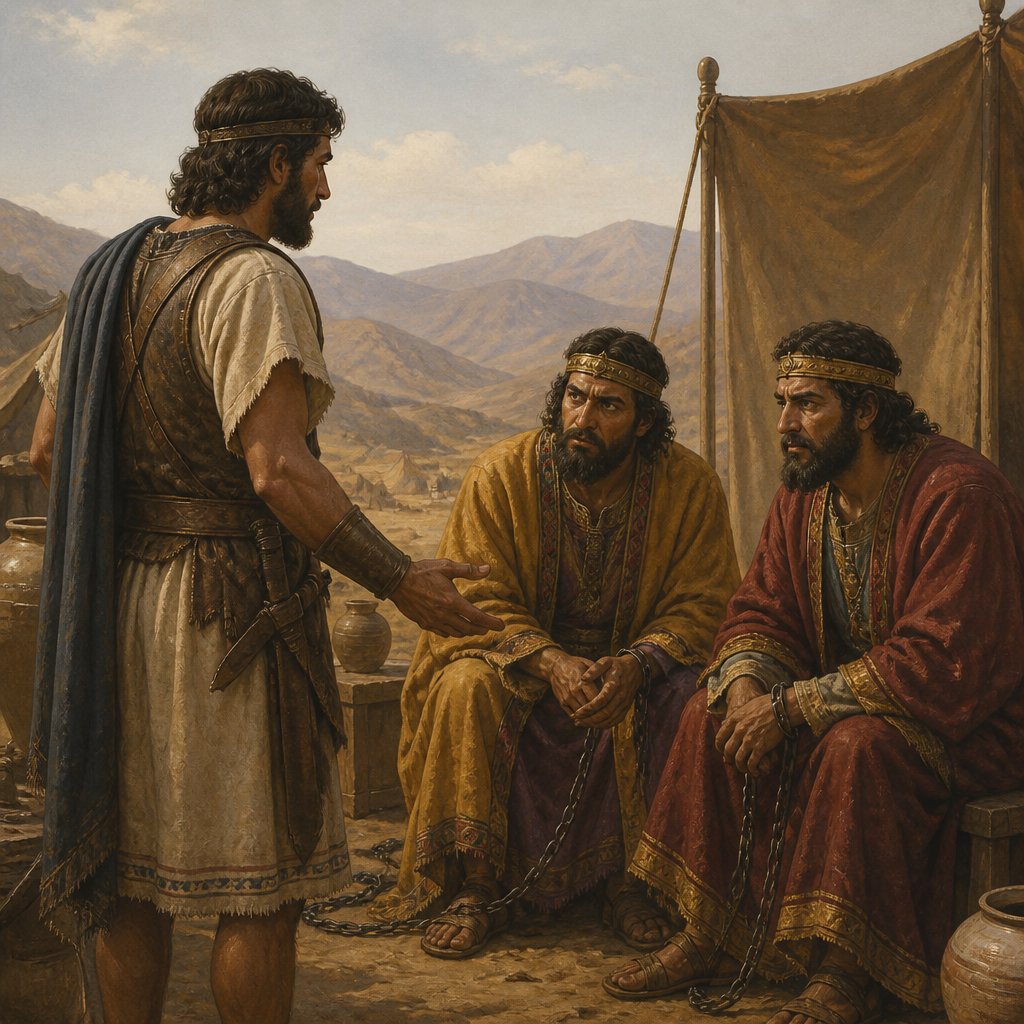
Judges 8:18 from the King James Version (KJV) reads: "Then said he unto Zebah and Zalmunna, What manner of men were they whom ye slew at Tabor? And they answered, As thou art, so were they; each one resembled the children of a king."
This verse is part of the story of Gideon, one of the judges of Israel. Gideon was a powerful and courageous leader who was called by God to deliver the Israelites from the oppression of the Midianites. In Judges 6:11-8:21, the story of Gideon's conquest of the Midianite kings, Zebah and Zalmunna, is told.
In this particular verse, Gideon is questioning the Midianite kings about the men they had killed at Mount Tabor. Gideon is trying to discern the identity and status of these men, as their appearance and demeanor suggested to him that they were of noble birth. The kings confirm Gideon's suspicions, stating that the men they had killed were indeed like Gideon himself, resembling the children of a king.
There are several themes and layers of meaning in this verse that are worth exploring, including the themes of identity, royalty, and righteousness.
The theme of identity is central to this verse. Gideon seeks to understand the nature of the men who were killed by the Midianite kings. This desire to understand the identity of these men reflects Gideon's own growing sense of identity and purpose as a leader and deliverer of his people. Gideon's questioning of the Midianite kings also serves to highlight the contrast between the Israelites and the Midianites – while the Israelites were oppressed and downtrodden, the Midianites were proud, arrogant, and unjust in their treatment of others.
The theme of royalty is also evident in this verse. The Midianite kings’ response to Gideon's question acknowledges the noble and royal heritage of the men they had killed. This underscores the idea that these men were not ordinary soldiers, but were of royal lineage. This suggests that the Midianites were not only oppressing the Israelites, but were also unjustly targeting those of noble birth, further highlighting their cruelty and lack of righteousness.
The theme of righteousness is also present in this verse. The Midianite kings’ confession that the men they had killed were like Gideon himself suggests that these men were not only of noble birth, but were also righteous and honorable individuals. This serves to further contrast the character of Gideon and the Israelites with that of the Midianites, highlighting the righteousness and justice that Gideon and his men sought to uphold in their mission to deliver their people from oppression.
Symbolism plays a significant role in this verse as well. The "children of a king" represent not only nobility and royalty, but also righteousness and justice. This symbolism further emphasizes the contrast between the Israelites and the Midianites, highlighting the moral and spiritual implications of their conflict.
In the broader context of the Book of Judges, this verse serves to underscore the themes of identity, royalty, and righteousness that are central to the story of Gideon and the Israelites' struggle against the oppressive Midianites. It also serves to highlight the moral and spiritual implications of this conflict, and the role of justice and righteousness in the fulfillment of God's purposes for His people.
In conclusion, Judges 8:18 from the King James Version offers a rich and nuanced exploration of themes of identity, royalty, and righteousness, as well as the moral and spiritual implications of the conflict between the Israelites and the Midianites. This verse serves as a powerful reminder of the importance of upholding justice and righteousness in the face of oppression and injustice, and of the role of noble identity and righteous character in fulfilling God's purposes for His people.
Get our apps


Artwork for Judges 8:18

Judges 8:18 - "¶ Then said he unto Zebah and Zalmunna, What manner of men were they whom ye slew at Tabor? And they answered, As thou art, so were they; each one resembled the children of a king."
"¶ Then said he unto Zebah and Zalmunna, What manner of men were they whom ye slew at Tabor? And they answered, As thou art, so were they; each one resembled the children of a king." - Judges 8:18

Judges 18:8 - "And they came unto their brethren to Zorah and Eshtaol: and their brethren said unto them, What say ye?"

Judges 1:18 - "Also Judah took Gaza with the coast thereof, and Askelon with the coast thereof, and Ekron with the coast thereof."
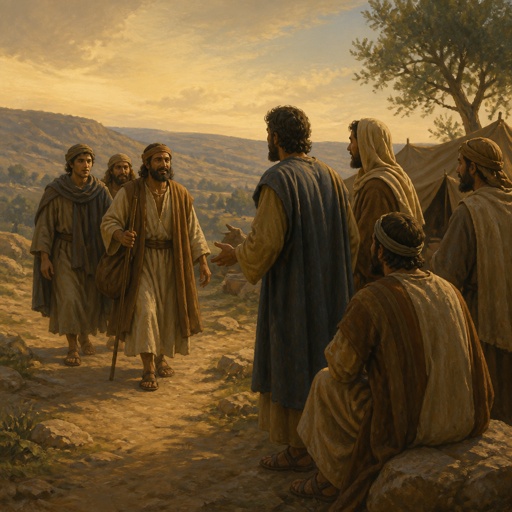
"And they came unto their brethren to Zorah and Eshtaol: and their brethren said unto them, What say ye?" - Judges 18:8

Judges 9:8-15

Judges 18:18 - "And these went into Micah's house, and fetched the carved image, the ephod, and the teraphim, and the molten image. Then said the priest unto them, What do ye?"

John 8:15 - "Ye judge after the flesh; I judge no man."

Judges 12:8 - "¶ And after him Ibzan of Beth-lehem judged Israel."

Judges 18:13 - "And they passed thence unto mount Ephraim, and came unto the house of Micah."

Judges 18: Micah’s Influence: A Spiritual Ripple Effect

Judges 2:18 - "And when the LORD raised them up judges, then the LORD was with the judge, and delivered them out of the hand of their enemies all the days of the judge: for it repented the LORD because of their groanings by reason of them that oppressed them and vexed them."

Judges 18:21 - "So they turned and departed, and put the little ones and the cattle and the carriage before them."

Exodus 18:26 - "And they judged the people at all seasons: the hard causes they brought unto Moses, but every small matter they judged themselves."

Judges 5:18 - "Zebulun and Naphtali were a people that jeoparded their lives unto the death in the high places of the field."

Judges 8:17 - "And he beat down the tower of Penuel, and slew the men of the city."

Judges 8:29 - "And Jerubbaal the son of Joash went and dwelt in his own house."

Proverbs 8:16 - "By me princes rule, and nobles, even all the judges of the earth."

Judges 18:20 - "And the priest's heart was glad, and he took the ephod, and the teraphim, and the graven image, and went in the midst of the people."

Judges 8:13 - "¶ And Gideon the son of Joash returned from battle before the sun was up,"

Judges 3:18 - "And when he had made an end to offer the present, he sent away the people that bare the present."

Judges 8:8 - "¶ And he went up thence to Penuel, and spake unto them likewise: and the men of Penuel answered him as the men of Succoth had answered him."

Judges 18:15 - "And they turned thitherward, and came to the house of the young man the Levite, even unto the house of Micah, and saluted him."

Judges 18:6 - "And the priest said unto them, Go in peace: before the LORD is your way wherein ye go."

Judges 18:16 - "And the six hundred men appointed with their weapons of war, which were of the children of Dan, stood by the entering of the gate."

Judges 13:18 - "And the angel of the LORD said unto him, Why askest thou thus after my name, seeing it is secret?"

Judges 18:31 - "And they set them up Micah's graven image, which he made, all the time that the house of God was in Shiloh."

Luke 18:6 - "And the Lord said, Hear what the unjust judge saith."

Psalms 7:8 - "The LORD shall judge the people: judge me, O LORD, according to my righteousness, and according to mine integrity that is in me."

Judges 2:8 - "And Joshua the son of Nun, the servant of the LORD, died, being an hundred and ten years old."