What does Judges 8:20 mean?
"And he said unto Jether his firstborn, Up, and slay them. But the youth drew not his sword: for he feared, because he was yet a youth." - Judges 8:20
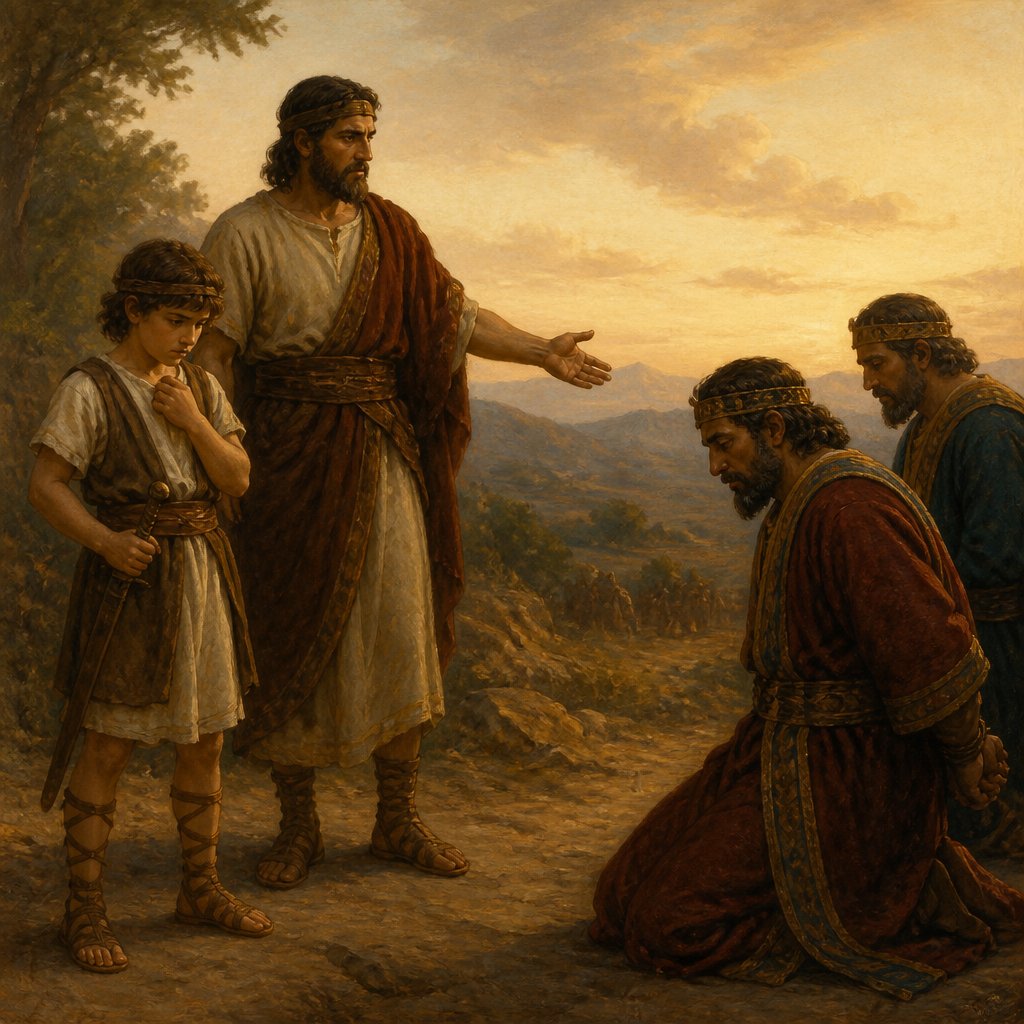
The Bible verse Judges 8:20 in the King James Version reads, “And he said unto Jether his firstborn, Up, and slay them. But the youth drew not his sword: for he feared, because he was yet a youth.” This verse is part of the story of Gideon, one of the judges of Israel, and it takes place after Gideon’s victory over the Midianites. To understand the meaning and commentary of this verse, it’s important to delve into the context and explore the themes and symbolism found in this passage.
The book of Judges is set in a tumultuous period in Israel’s history, characterized by cycles of disobedience, oppression, and deliverance. Gideon was raised up by God to deliver the Israelites from the oppression of the Midianites, who had been raiding their land and causing great hardship. Gideon was initially hesitant to take on this task, but through a series of tests and signs from God, he rallied an army to confront the Midianites.
The verse in question follows the battle between Gideon’s army and the Midianites. After their victory, Gideon pursues two Midianite kings, Zebah and Zalmunna, and captures them. He then calls upon his son Jether to execute them, but Jether is hesitant and does not draw his sword due to fear. This moment is significant as it reveals the aftermath of the battle and the tension that still lingers even after victory has been achieved.
One of the themes present in this verse is the idea of courage and fear. Gideon, as a brave and valiant leader, expected his son to demonstrate the same kind of courage that he himself had exhibited in battle. However, Jether’s fear is a reminder of the human emotions at play, even in the midst of triumph. This serves as a poignant reminder that fear and hesitation are natural human experiences, even in the face of great victory.
Another theme that can be found in this verse is the idea of generational succession and the passing down of responsibility. Gideon’s request for his son to carry out this task reflects the passing of the torch from one generation to the next. It also serves as a sobering reminder of the weight of responsibility that comes with leadership and the challenges that subsequent generations may face.
This verse also has symbolic significance. Gideon’s call for his son to slay the Midianite kings can be seen as a representation of justice and the consequences of war. It highlights the harsh realities of conflict and the difficult decisions that must be made in the aftermath of battle. The fact that Jether hesitates to carry out his father’s command also symbolizes the internal struggle that individuals face when confronted with moral and ethical dilemmas.
Finally, the verse underscores the complexities of human nature and the interplay between strength and vulnerability. Gideon, as a powerful and victorious leader, is also a father who desires to see his son demonstrate courage and strength. Jether’s fear and hesitation humanize the characters and add depth to the narrative, reminding readers that even the most courageous individuals can have moments of doubt and vulnerability.
In conclusion, Judges 8:20 offers a rich tapestry of themes, symbolism, and human emotion. It serves as a reminder of the complexities of leadership, the passing of responsibility from one generation to the next, and the internal struggles that individuals face in the aftermath of conflict. This verse captures the essence of the human experience and provides valuable insights into the challenges and triumphs of the biblical narrative.
Have questions about Judges 8:20?
Dive deeper into this scripture with Bible Chat — an AI-powered tool for exploring God's Word through conversation. Ask questions, get context, and grow in your understanding of the Bible.
Get Our Apps


Judges 8:20 Artwork
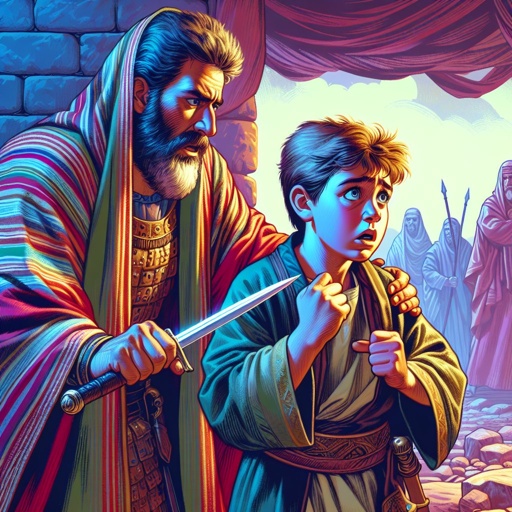
Judges 8:20 - "And he said unto Jether his firstborn, Up, and slay them. But the youth drew not his sword: for he feared, because he was yet a youth."
"And he said unto Jether his firstborn, Up, and slay them. But the youth drew not his sword: for he feared, because he was yet a youth." - Judges 8:20

Judges 20:8 - "¶ And all the people arose as one man, saying, We will not any of us go to his tent, neither will we any of us turn into his house."

1 Samuel 8:20 - "That we also may be like all the nations; and that our king may judge us, and go out before us, and fight our battles."

Judges 15:20 - "And he judged Israel in the days of the Philistines twenty years."

Judges 20:29 - "And Israel set liers in wait round about Gibeah."

Judges 20:20 - "And the men of Israel went out to battle against Benjamin; and the men of Israel put themselves in array to fight against them at Gibeah."

Judges 9:8-15

Judges 20:19 - "And the children of Israel rose up in the morning, and encamped against Gibeah."

Judges 5:20 - "They fought from heaven; the stars in their courses fought against Sisera."

Judges 21:20 - "Therefore they commanded the children of Benjamin, saying, Go and lie in wait in the vineyards;"

John 8:15 - "Ye judge after the flesh; I judge no man."

Judges 12:8 - "¶ And after him Ibzan of Beth-lehem judged Israel."

Judges 20:27 - "And the children of Israel enquired of the LORD, (for the ark of the covenant of God was there in those days,"

Judges 20:44 - "And there fell of Benjamin eighteen thousand men; all these were men of valour."

Judges 20:24 - "And the children of Israel came near against the children of Benjamin the second day."

Judges 20:7 - "Behold, ye are all children of Israel; give here your advice and counsel."

Ezekiel 20:4 - "Wilt thou judge them, son of man, wilt thou judge them? cause them to know the abominations of their fathers:"

Judges 14:20 - "But Samson's wife was given to his companion, whom he had used as his friend."
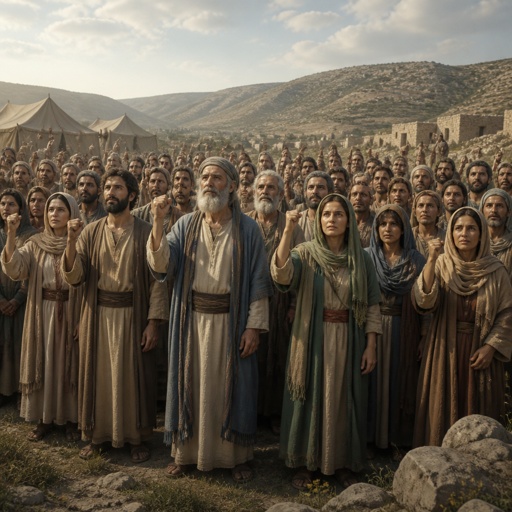
"¶ And all the people arose as one man, saying, We will not any of us go to his tent, neither will we any of us turn into his house." - Judges 20:8

Judges 1:20 - "And they gave Hebron unto Caleb, as Moses said: and he expelled thence the three sons of Anak."

"And he judged Israel in the days of the Philistines twenty years." - Judges 15:20

Judges 18:20 - "And the priest's heart was glad, and he took the ephod, and the teraphim, and the graven image, and went in the midst of the people."

Judges 20:9 - "But now this shall be the thing which we will do to Gibeah; we will go up by lot against it;"

Judges 20:11 - "So all the men of Israel were gathered against the city, knit together as one man."

Judges 8:17 - "And he beat down the tower of Penuel, and slew the men of the city."

Judges 8:29 - "And Jerubbaal the son of Joash went and dwelt in his own house."

Proverbs 8:16 - "By me princes rule, and nobles, even all the judges of the earth."

Judges 8:13 - "¶ And Gideon the son of Joash returned from battle before the sun was up,"

Judges 20:47 - "But six hundred men turned and fled to the wilderness unto the rock Rimmon, and abode in the rock Rimmon four months."