What does Judges 8:23 mean?
“And Gideon said unto them, I will not rule over you, neither shall my son rule over you: the LORD shall rule over you.” — Judges 8:23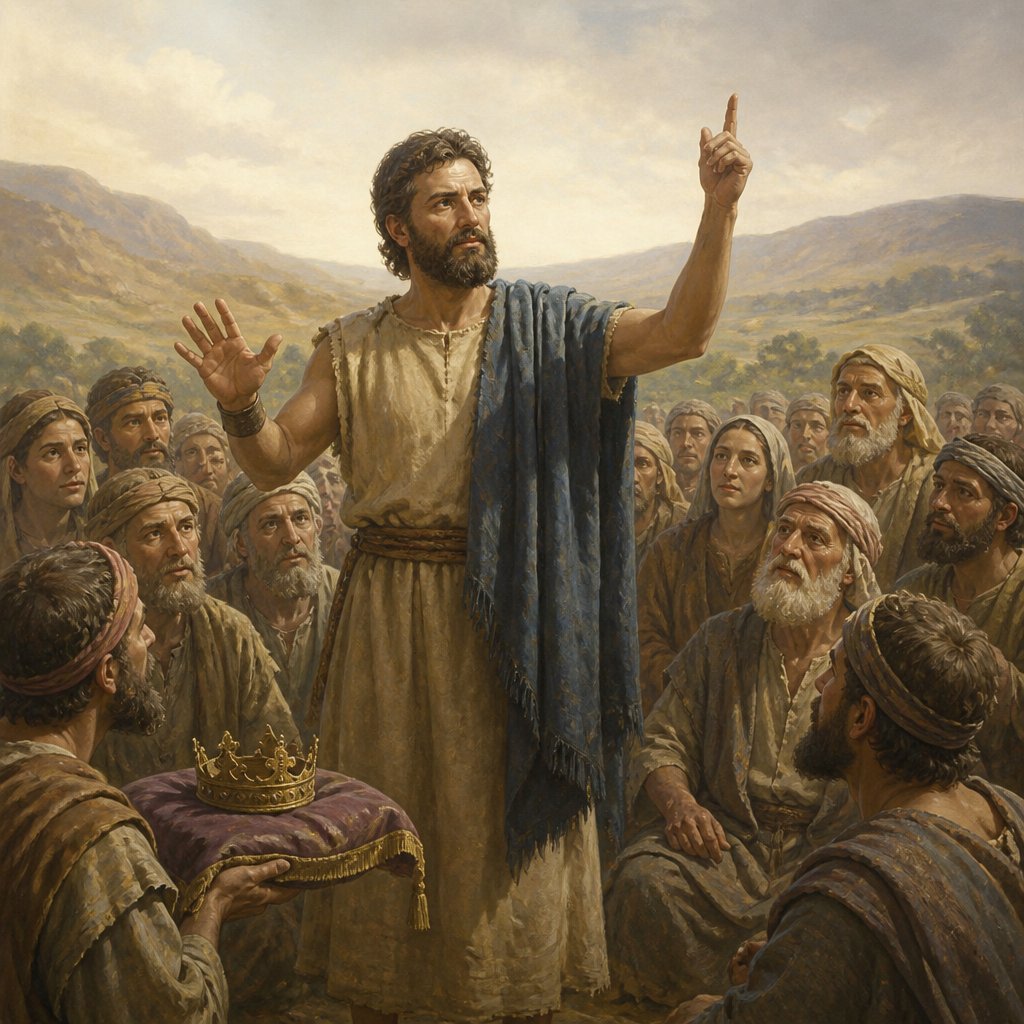
Judges 8:23 (KJV) says, "And Gideon said unto them, I will not rule over you, neither shall my son rule over you: the Lord shall rule over you."
This verse comes from the book of Judges in the Old Testament, and it is spoken by Gideon, who was a judge and military leader chosen by God to deliver the Israelites from the oppression of the Midianites. This verse reflects a pivotal moment in Gideon's leadership, as it demonstrates his humility and his recognition that God alone should be the ultimate ruler over the people of Israel.
The context of this verse is essential to understanding its significance. Gideon had just led the Israelites to victory over the Midianites with the help of God. After the battle, the people of Israel wanted Gideon to become their king, to which he responds with the words in Judges 8:23. Gideon's refusal to rule over the people is a demonstration of his obedience to God and his desire to honor the Lord as the ultimate authority in the lives of the Israelites.
The theme of this verse is centered around the concept of godly leadership and the importance of recognizing and submitting to God's sovereignty. Gideon's response to the people's request for a king is a reflection of his commitment to leading the Israelites in a way that aligns with God's will. It emphasizes the idea that human rulers are ultimately subordinate to God and should govern in a manner that reflects His righteousness and wisdom.
This verse also serves as a reminder to the Israelites of the importance of remaining faithful to God as their ultimate ruler. Throughout the book of Judges, the Israelites consistently fell into disobedience and idolatry, leading to cycles of oppression and deliverance. Gideon's words reinforce the need for the Israelites to honor God as their true king and to resist the temptation to place their trust in human leaders.
The symbolism in this verse lies in Gideon's acknowledgment of God's exclusive authority over the Israelites. By refusing to establish a monarchy and insisting that it is the Lord who should rule over the people, Gideon sets a powerful example of spiritual leadership. His words serve as a stark contrast to the pattern of human kingship that the Israelites would later pursue, ultimately leading them away from God's intended plan for their governance.
Ultimately, Gideon's declaration in Judges 8:23 echoes throughout the rest of the Bible, pointing to the coming of Jesus Christ as the true and perfect King who will rule over God's people. It foreshadows the establishment of God's kingdom on earth and serves as a reminder of the importance of submitting to His authority.
In conclusion, Judges 8:23 is a profound and impactful verse that underscores the importance of recognizing and submitting to God as the ultimate ruler. Through Gideon's humble refusal to establish a monarchy, this verse conveys the timeless truth that God alone should be the sovereign authority in the lives of His people. It serves as a powerful reminder of the need for godly leadership and the significance of remaining faithful to God's divine rule.
Get our apps


Artwork for Judges 8:23

Judges 8:23 - "And Gideon said unto them, I will not rule over you, neither shall my son rule over you: the LORD shall rule over you."
"And Gideon said unto them, I will not rule over you, neither shall my son rule over you: the LORD shall rule over you." - Judges 8:23

Isaiah 40:23 - "That bringeth the princes to nothing; he maketh the judges of the earth as vanity."

Judges 9:8-15

Judges 4:23 - "So God subdued on that day Jabin the king of Canaan before the children of Israel."

John 8:15 - "Ye judge after the flesh; I judge no man."

Judges 12:8 - "¶ And after him Ibzan of Beth-lehem judged Israel."

Judges 1:23 - "And the house of Joseph sent to descry Beth-el. (Now the name of the city before was Luz.)"

Judges 6:23 - "And the LORD said unto him, Peace be unto thee; fear not: thou shalt not die."

Judges 3:23 - "Then Ehud went forth through the porch, and shut the doors of the parlour upon him, and locked them."

2 Kings 23:22 - "Surely there was not holden such a passover from the days of the judges that judged Israel, nor in all the days of the kings of Israel, nor of the kings of Judah;"

Judges 9:23 - "Then God sent an evil spirit between Abimelech and the men of Shechem; and the men of Shechem dealt treacherously with Abimelech:"
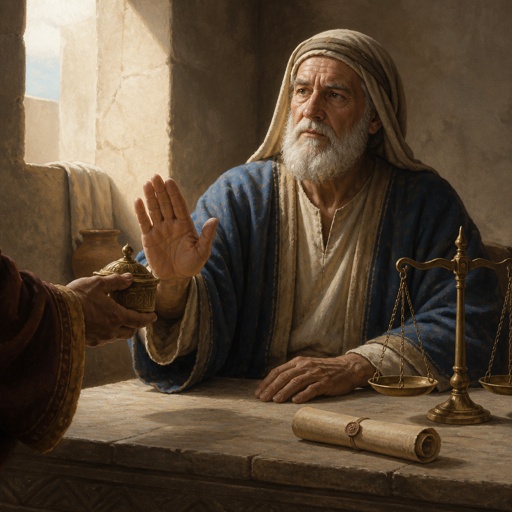
"¶ And thou shalt take no gift: for the gift blindeth the wise, and perverteth the words of the righteous." - Exodus 23:8

Judges 8:17 - "And he beat down the tower of Penuel, and slew the men of the city."

Judges 8:29 - "And Jerubbaal the son of Joash went and dwelt in his own house."

Proverbs 8:16 - "By me princes rule, and nobles, even all the judges of the earth."

Judges 7:23 - "And the men of Israel gathered themselves together out of Naphtali, and out of Asher, and out of all Manasseh, and pursued after the Midianites."

Judges 18:23 - "And they cried unto the children of Dan. And they turned their faces, and said unto Micah, What aileth thee, that thou comest with such a company?"

Judges 8:13 - "¶ And Gideon the son of Joash returned from battle before the sun was up,"

Judges 8:8 - "¶ And he went up thence to Penuel, and spake unto them likewise: and the men of Penuel answered him as the men of Succoth had answered him."

1 Chronicles 23:4 - "Of which, twenty and four thousand were to set forward the work of the house of the LORD; and six thousand were officers and judges:"

Judges 2:23 - "Therefore the LORD left those nations, without driving them out hastily; neither delivered he them into the hand of Joshua."

Joshua 23:2 - "And Joshua called for all Israel, and for their elders, and for their heads, and for their judges, and for their officers, and said unto them, I am old and stricken in age:"

Judges 11:23 - "So now the LORD God of Israel hath dispossessed the Amorites from before his people Israel, and shouldest thou possess it?"

Genesis 23-8

Psalms 7:8 - "The LORD shall judge the people: judge me, O LORD, according to my righteousness, and according to mine integrity that is in me."

Judges 2:8 - "And Joshua the son of Nun, the servant of the LORD, died, being an hundred and ten years old."

Gideon's ephod in Judges 8:29 and peoplw worshipping him

"¶ And after him Ibzan of Beth-lehem judged Israel." - Judges 12:8

Judges 18:8 - "And they came unto their brethren to Zorah and Eshtaol: and their brethren said unto them, What say ye?"