What does Judges 9:6 mean?
“And all the men of Shechem gathered together, and all the house of Millo, and went, and made Abimelech king, by the plain of the pillar that was in Shechem.” — Judges 9:6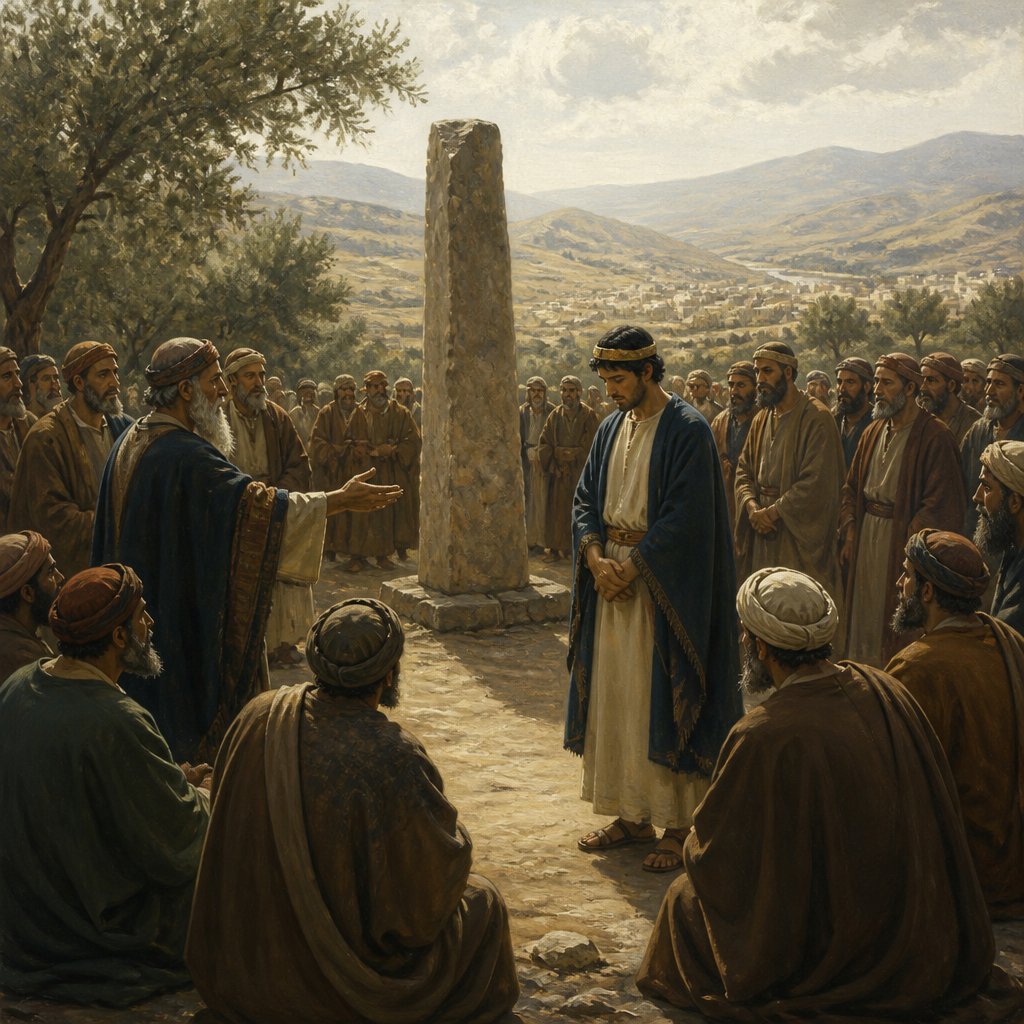
Judges 9:6 (KJV) reads, "And all the men of Shechem gathered together, and all the house of Millo, and went, and made Abimelech king, by the plain of the pillar that was in Shechem."
This verse is part of the larger narrative found in the Book of Judges, which chronicles the period of time after the Israelites settled in the Promised Land, and before the establishment of the monarchy. The Book of Judges is named after the leaders who rose up to deliver the Israelites from various oppressors and to lead them in times of crisis.
The verse embodies themes of power, betrayal, and the consequences of choosing leaders based on personal gain rather than moral character. It also serves as a cautionary tale about the dangers of seeking power at any cost.
The context of Judges 9:6 is crucial to understanding its meaning. Prior to this verse, Gideon, a judge and leader of the Israelites, had many sons, among them Abimelech. Following Gideon's death, Abimelech, with the help of the men of Shechem, killed all of his brothers in a quest to become the sole ruler of Israel. The verse in question describes the moment when the people of Shechem and the house of Millo gather to make Abimelech king, despite the treacherous means by which he secured power.
The significance of the location where this event takes place, the plain of the pillar in Shechem, adds an extra layer of symbolism. Shechem was a prominent city in the land of Canaan and served as a central gathering place for the Israelites. The "plain of the pillar" likely refers to a prominent landmark where important decisions were made. This location conveys the idea of a public endorsement and formal recognition of Abimelech's reign, creating a sense of legitimacy for his rule.
The verse demonstrates the moral decay of the people of Shechem and the house of Millo, who were willing to overlook Abimelech's horrific actions in order to solidify their power and influence within the region. It serves as a warning about the corrupting nature of power and the lengths to which individuals and communities will go to attain and maintain it.
Symbolically, the pillar represents both a physical and metaphorical foundation of authority. By selecting a specific location to crown Abimelech, the people of Shechem and the house of Millo were making a public declaration that they were placing their trust and loyalty in him, despite his immoral behavior. The placement of the pillar in Shechem indicates the endorsement of the regional community, lending further weight to Abimelech's claim to power.
This verse also sheds light on the larger theme of leadership within the Bible. It serves as a contrast to the righteous leaders who came before, such as Gideon, who led with integrity and devotion to God. The contrast between Abimelech's ruthless pursuit of power and the moral leadership of his father and other judges emphasizes the importance of choosing leaders who embody virtue and seek the welfare of their people.
In conclusion, Judges 9:6 offers a cautionary tale about the dangers of seeking power at any cost and the moral consequences of placing self-serving leaders in positions of authority. It serves as a reminder of the importance of moral character and integrity in leadership, and the potential impact of our choices on the future well-being of our communities. The symbolism and context of this verse offer a rich and thought-provoking exploration of power, betrayal, and the enduring lessons found in the Book of Judges.
Get our apps


Artwork for Judges 9:6
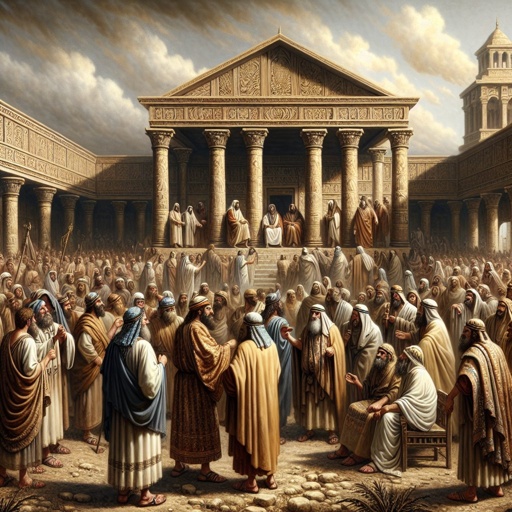
Judges 9:6 - "And all the men of Shechem gathered together, and all the house of Millo, and went, and made Abimelech king, by the plain of the pillar that was in Shechem."
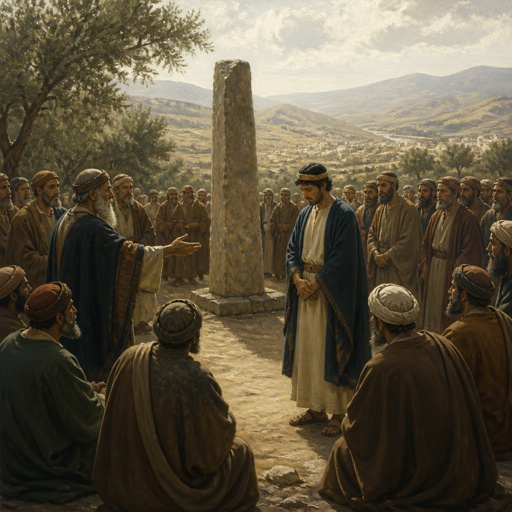
"And all the men of Shechem gathered together, and all the house of Millo, and went, and made Abimelech king, by the plain of the pillar that was in Shechem." - Judges 9:6
Judges 6:9 - "And I delivered you out of the hand of the Egyptians, and out of the hand of all that oppressed you, and drave them out from before you, and gave you their land;"

Judges 9:8-15

Judges 6:6 - "And Israel was greatly impoverished because of the Midianites; and the children of Israel cried unto the LORD."

Judges 9:50 - "¶ Then went Abimelech to Thebez, and encamped against Thebez, and took it."

Judges 9:22 - "¶ When Abimelech had reigned three years over Israel,"

Judges 15:9 - "¶ Then the Philistines went up, and pitched in Judah, and spread themselves in Lehi."

1 Corinthians 6:2 - "Do ye not know that the saints shall judge the world? and if the world shall be judged by you, are ye unworthy to judge the smallest matters?"

Judges 9:39 - "And Gaal went out before the men of Shechem, and fought with Abimelech."

Judges 21:9 - "For the people were numbered, and, behold, there were none of the inhabitants of Jabesh-gilead there."

Judges 3:6 - "And they took their daughters to be their wives, and gave their daughters to their sons, and served their gods."

Judges 9:10 - "And the trees said to the fig tree, Come thou, and reign over us."

Judges 9:42 - "And it came to pass on the morrow, that the people went out into the field; and they told Abimelech."

Judges 9:12 - "Then said the trees unto the vine, Come thou, and reign over us."

Judges 9:47 - "And it was told Abimelech, that all the men of the tower of Shechem were gathered together."

Psalms 98:9 - "Before the LORD; for he cometh to judge the earth: with righteousness shall he judge the world, and the people with equity."

Luke 6:37 - "Judge not, and ye shall not be judged: condemn not, and ye shall not be condemned: forgive, and ye shall be forgiven:"

Judges 9:9 - "But the olive tree said unto them, Should I leave my fatness, wherewith by me they honour God and man, and go to be promoted over the trees?"

Judges 9:32 - "Now therefore up by night, thou and the people that is with thee, and lie in wait in the field:"

Judges 9:14 - "Then said all the trees unto the bramble, Come thou, and reign over us."

Judges 6:36-40 – Gideon’s fleece test for dew.

Judges 9:46 - "¶ And when all the men of the tower of Shechem heard that, they entered into an hold of the house of the god Berith."

Judges 6:7 - "¶ And it came to pass, when the children of Israel cried unto the LORD because of the Midianites,"

Psalms 141:6 - "When their judges are overthrown in stony places, they shall hear my words; for they are sweet."

Judges 9:21 - "And Jotham ran away, and fled, and went to Beer, and dwelt there, for fear of Abimelech his brother."

2 Chronicles 19:6 - "And said to the judges, Take heed what ye do: for ye judge not for man, but for the LORD, who is with you in the judgment."

Judges 9:30 - "¶ And when Zebul the ruler of the city heard the words of Gaal the son of Ebed, his anger was kindled."

Job 9:24 - "The earth is given into the hand of the wicked: he covereth the faces of the judges thereof; if not, where, and who is he?"

Judges 1:9 - "¶ And afterward the children of Judah went down to fight against the Canaanites, that dwelt in the mountain, and in the south, and in the valley."