What does Lamentations 1:11 mean?
“All her people sigh, they seek bread; they have given their pleasant things for meat to relieve the soul: see, O LORD, and consider; for I am become vile.” — Lamentations 1:11
Lamentations 1:11 in the King James Version reads, "All her people sigh, they seek bread; they have given their pleasant things for meat to relieve the soul: see, O Lord, and consider; for I am become vile." This verse is found in the book of Lamentations, which is traditionally attributed to the prophet Jeremiah and is a series of poetic laments over the destruction of Jerusalem and the suffering of its people. In this verse, the speaker is expressing the desperate poverty and hunger that has befallen the people, as well as a plea to the Lord for mercy and consideration.
The book of Lamentations was written during a time of great tragedy and suffering for the people of Jerusalem. The city had been besieged and ultimately destroyed by the Babylonians, and its inhabitants were either killed, taken captive, or left to suffer in the aftermath. This verse captures the despair and desperation of the people as they struggle to find food and relief for their souls.
The verse begins with the lament that "all her people sigh, they seek bread." This highlights the dire circumstances of the people, as they are not only hungry and in need of sustenance, but they are also sighing and expressing their distress. The imagery of seeking bread underscores the basic human need for nourishment and the lengths to which people will go to find it when faced with extreme hunger.
The verse then goes on to describe how the people have "given their pleasant things for meat to relieve the soul." This suggests that the people are trading or selling their valuable possessions in exchange for food, highlighting the desperation and sacrifice that they are willing to make in order to survive. The phrase "to relieve the soul" points to the deep spiritual and emotional impact of their suffering, as they seek not only physical sustenance but also solace for their troubled spirits.
Following this description of the people's plight, the verse concludes with a plea to the Lord: "see, O Lord, and consider; for I am become vile." This is a cry for God's attention and intervention, as the speaker implores the Lord to look upon the suffering of the people and take pity on them. The confession of feeling "vile" reflects the deep sense of degradation and unworthiness that the speaker feels in the face of such desperate circumstances.
Overall, Lamentations 1:11 is a powerful and poignant expression of the suffering and desperation of the people of Jerusalem in the aftermath of the city's destruction. It conveys the profound physical, emotional, and spiritual impact of their hardship, as well as their plea for divine mercy and compassion.
In terms of themes, this verse touches on the themes of suffering, poverty, and the struggle for survival. It depicts the profound effects of tragedy and loss on individuals and communities, as well as the resilience and resourcefulness of people in the face of adversity. The verse also raises questions about the nature of God's justice and mercy in the midst of human suffering, and the complex dynamics of faith and despair in times of crisis.
In addition to its thematic significance, Lamentations 1:11 contains rich symbolism that adds depth and resonance to its meaning. The imagery of seeking bread and trading precious possessions for food illustrates the harsh realities of poverty and hunger, while the plea to the Lord reflects the timeless human yearning for divine intervention and solace in the midst of suffering. The verse's use of language and metaphor evokes a profound sense of empathy and compassion for the plight of the people, as well as a recognition of the universal human experience of hardship and resilience.
Overall, Lamentations 1:11 is a verse that speaks to the profound human experiences of suffering, resilience, and spirituality, and it continues to resonate as a powerful expression of the complexities of faith and adversity. Through its evocative language and imagery, it captures the timeless struggle of individuals and communities to find hope and relief in the face of overwhelming hardship.
Get our apps


Artwork for Lamentations 1:11

Lamentations 1:11 - "All her people sigh, they seek bread; they have given their pleasant things for meat to relieve the soul: see, O LORD, and consider; for I am become vile."
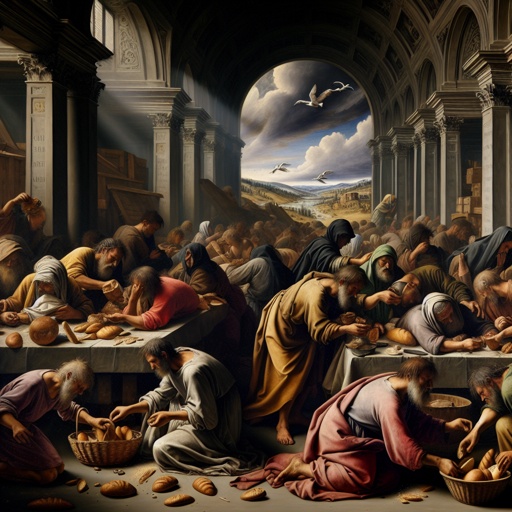
Lamentations 1:11 All her people groan as they search for bread; they barter their treasures for food to keep themselves alive. “Look, Lord, and consider, for I am despised.”

Lamentations 1:11 All her people groan as they search for bread; they barter their treasures for food to keep themselves alive. “Look, Lord, and consider, for I am despised.”
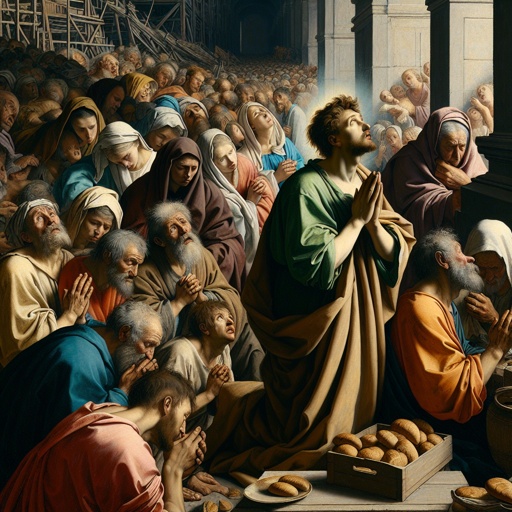
Lamentations 1:11 All her people groan as they search for bread; they barter their treasures for food to keep themselves alive. “Look, Lord, and consider, for I am despised.”
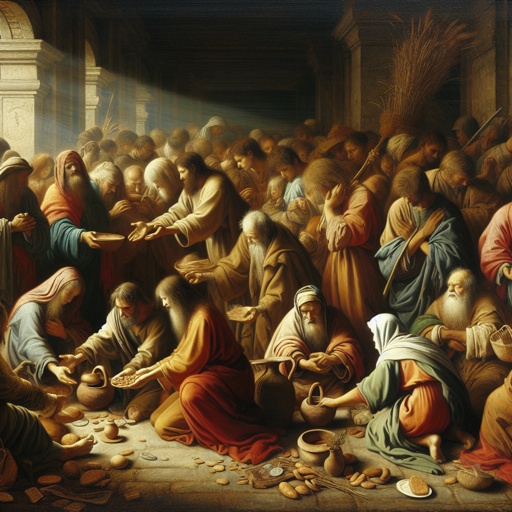
Lamentations 1:11 All her people groan as they search for bread; they barter their treasures for food to keep themselves alive. “Look, Lord, and consider, for I am despised.”
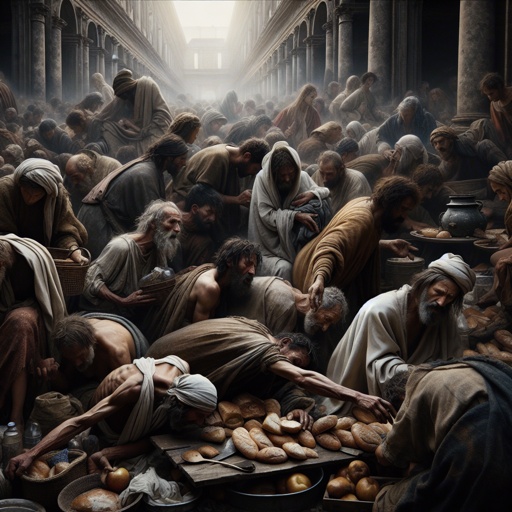
Lamentations 1:11 All her people groan as they search for bread; they barter their treasures for food to keep themselves alive. “Look, Lord, and consider, for I am despised.”
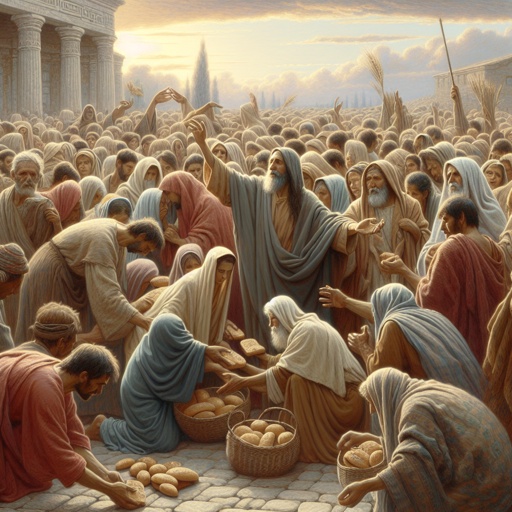
Lamentations 1:11 All her people groan as they search for bread; they barter their treasures for food to keep themselves alive. “Look, Lord, and consider, for I am despised.”

"All her people sigh, they seek bread; they have given their pleasant things for meat to relieve the soul: see, O LORD, and consider; for I am become vile." - Lamentations 1:11

Lamentations 5:11 - "They ravished the women in Zion, and the maids in the cities of Judah."

Acts 1:1-11

Acts 1:1-11

Lamentations 2:1

Lamentations 2:1

Lamentations 2:1

Lamentations 3:1-18

Lamentations 3:13

Lamentations 3:11 - "He hath turned aside my ways, and pulled me in pieces: he hath made me desolate."
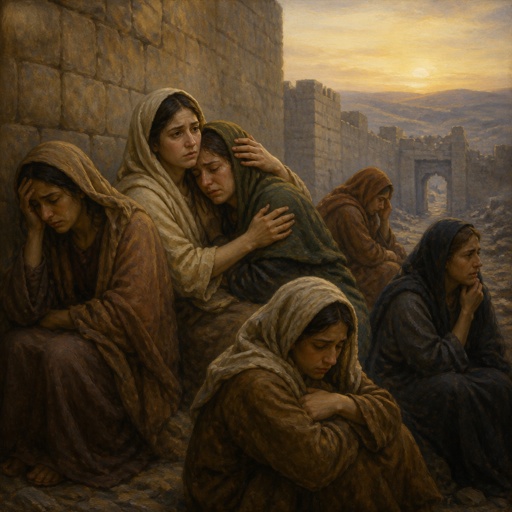
"They ravished the women in Zion, and the maids in the cities of Judah." - Lamentations 5:11

Lamentations 1:1 How deserted lies the city, once so full of people!

Revelation 1:11

Lamentations 1:1 How deserted lies the city, once so full of people!

Lamentations 1:1 How deserted lies the city, once so full of people!

Lamentations 1:1 How deserted lies the city, once so full of people!

Lamentations 1:1 How deserted lies the city, once so full of people!

Lamentations 1:1 How deserted lies the city, once so full of people!

Isaiah 11:1

Revelation 1:11

Nehemiah 11:1-19

Lamentations 4:11 - "The LORD hath accomplished his fury; he hath poured out his fierce anger, and hath kindled a fire in Zion, and it hath devoured the foundations thereof."

Lamentations 3:1 - "I am the man that hath seen affliction by the rod of his wrath."