What does Lamentations 3:48 mean?
“Mine eye runneth down with rivers of water for the destruction of the daughter of my people.” — Lamentations 3:48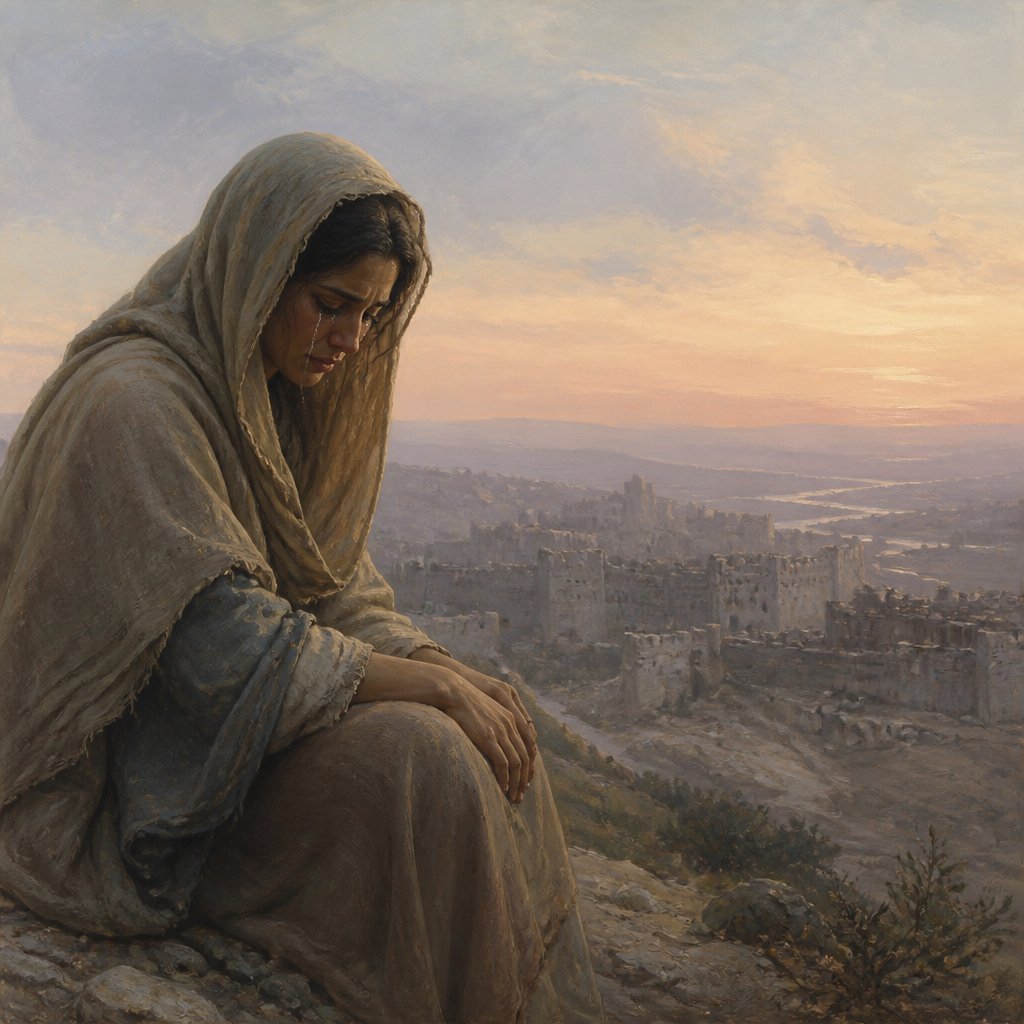
Lamentations 3:48 in the King James Version of the Bible reads, "Mine eye runneth down with rivers of water for the destruction of the daughter of my people." This verse is found in the book of Lamentations, which is traditionally attributed to the prophet Jeremiah. The book is a collection of poetic laments expressing grief, sorrow, and despair over the destruction of Jerusalem and the temple by the Babylonians in 586 BC.
The verse is part of a larger poem that describes the suffering and anguish experienced by the people of Judah in the aftermath of the destruction. The speaker, likely Jeremiah, is expressing profound sorrow and lamentation for the devastation that has befallen his people. The image of tears flowing like a river from his eyes vividly captures the intense emotional and psychological distress experienced by the speaker.
At its core, this verse speaks to the deep sense of loss and despair that accompanies the destruction of a community or a cherished place. The use of water as a metaphor for tears emphasizes the overwhelming nature of the grief and the endless flow of sorrow. The phrase "the daughter of my people" further personalizes the pain, as the destruction is not just a general calamity, but a deeply felt tragedy that affects the entire community.
The theme of lamentation and mourning is a central motif in the book of Lamentations. The speaker expresses profound anguish and sorrow over the suffering and devastation experienced by the people of Judah. The book portrays the emotional and spiritual turmoil of the survivors as they grapple with the consequences of their nation's fall and their own personal losses.
The historical context of Lamentations is significant for understanding the depth of the despair expressed in this verse. The destruction of Jerusalem and the exile of the people of Judah marked a profound and traumatic turning point in Israelite history. The loss of their city and temple, the heart of their religious and national identity, was a devastating blow that had profound repercussions for the people's sense of self and their relationship with God.
In addition to its historical significance, the verse also carries symbolic and spiritual dimensions. The weeping eyes of the speaker can be seen as a representation of the collective grief and repentance of the people. The tears symbolize the pain of separation from God and the longing for restoration and healing.
Furthermore, the imagery of water and rivers has rich symbolic associations in the biblical tradition. Water is often used to symbolize purification, renewal, and spiritual cleansing. In this verse, the flowing tears can be seen as a plea for God's mercy and restoration, as well as an expression of the speaker's deep yearning for healing and renewal in the midst of devastation.
In conclusion, Lamentations 3:48 is a powerful expression of profound grief and lamentation in the face of overwhelming loss and destruction. It captures the emotional and spiritual turmoil of the speaker as he mourns the devastation of his people and pleads for healing and restoration. The verse's rich imagery and symbolism convey a deep sense of longing for renewal and reconciliation, making it a poignant and moving reflection on the experience of suffering and the human longing for hope and restoration.
Get our apps


Artwork for Lamentations 3:48

Lamentations 3:48 - "Mine eye runneth down with rivers of water for the destruction of the daughter of my people."
"Mine eye runneth down with rivers of water for the destruction of the daughter of my people." - Lamentations 3:48

Lamentations 3:48-49 KJV Mine eye runneth down with rivers of water for the destruction of the daughter of my people. (49) Mine eye trickleth down, and ceaseth not, without any intermission,
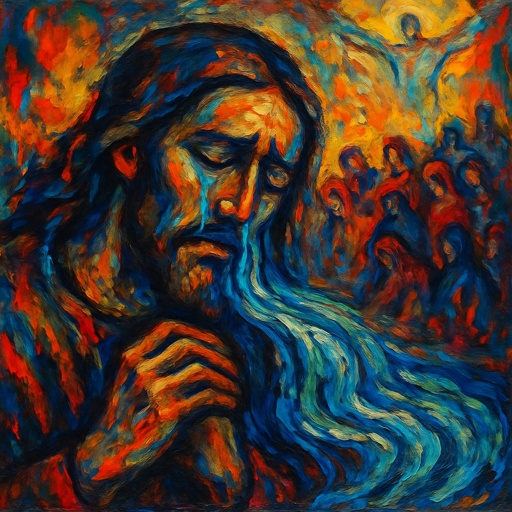
Lamentations 3:48-51 KJV Mine eye runneth down with rivers of water for the destruction of the daughter of my people. (49) Mine eye trickleth down, and ceaseth not, without any intermission, (50) Till the LORD look down, and behold from heaven. (51) Mine eye affecteth mine heart because of all the daughters of my city.

Jeremiah 48:38 - "There shall be lamentation generally upon all the housetops of Moab, and in the streets thereof: for I have broken Moab like a vessel wherein is no pleasure, saith the LORD."

Lamentations 3:13

Lamentations 3:1-18

Lamentations 3:31 - "For the Lord will not cast off for ever:"

Psalms 48:3 - "God is known in her palaces for a refuge."

Lamentations 3:23 - "They are new every morning: great is thy faithfulness."

Lamentations 5:3 - "We are orphans and fatherless, our mothers are as widows."

Lamentations 3:36 - "To subvert a man in his cause, the Lord approveth not."

Lamentations 3:3 - "Surely against me is he turned; he turneth his hand against me all the day."

Lamentations 3:38 - "Out of the mouth of the most High proceedeth not evil and good?"

Lamentations 3:27 - "It is good for a man that he bear the yoke in his youth."

Lamentations 3:47 - "Fear and a snare is come upon us, desolation and destruction."

Lamentations 3:19 - "Remembering mine affliction and my misery, the wormwood and the gall."

Lamentations 3:34 - "To crush under his feet all the prisoners of the earth,"

Lamentations 3:50 - "Till the LORD look down, and behold from heaven."

Lamentations 3:29 - "He putteth his mouth in the dust; if so be there may be hope."

Lamentations 3:2 - "He hath led me, and brought me into darkness, but not into light."

Lamentations 3:21 - "This I recall to my mind, therefore have I hope."

Lamentations 3:37 - "¶ Who is he that saith, and it cometh to pass, when the Lord commandeth it not?"

Lamentations 3:49 - "Mine eye trickleth down, and ceaseth not, without any intermission,"

Lamentations 3:45 - "Thou hast made us as the offscouring and refuse in the midst of the people."

Lamentations 3:20 - "My soul hath them still in remembrance, and is humbled in me."

Lamentations 3:35 - "To turn aside the right of a man before the face of the most High,"

Lamentations 3:63 - "Behold their sitting down, and their rising up; I am their musick."

Lamentations 3:33 - "For he doth not afflict willingly nor grieve the children of men."

Lamentations 3:46 - "All our enemies have opened their mouths against us."