What does Lamentations 4:5 mean?
“They that did feed delicately are desolate in the streets: they that were brought up in scarlet embrace dunghills.” — Lamentations 4:5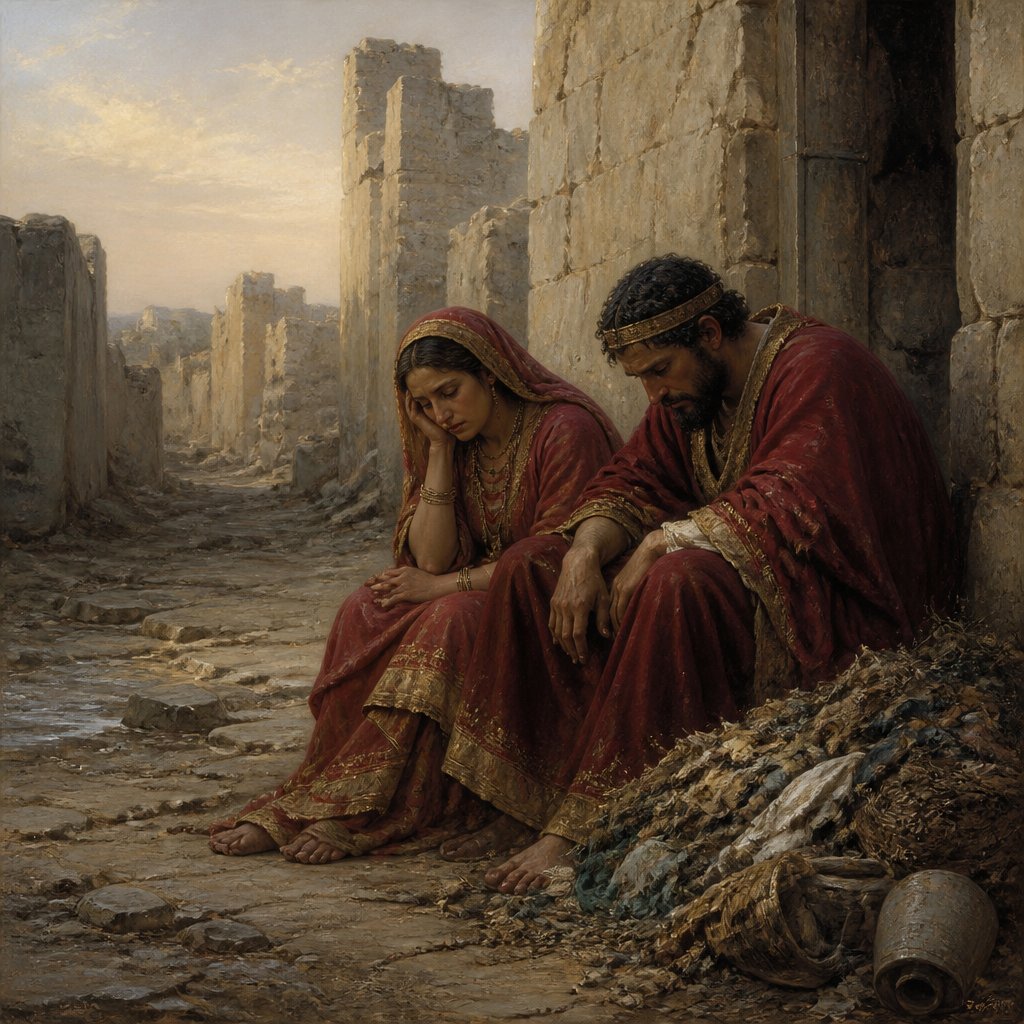
The Bible verse Lamentations 4:5 in the King James Version reads, "They that did feed delicately are desolate in the streets: they that were brought up in scarlet embrace dunghills." This verse is found in the book of Lamentations, which is a collection of poetic laments expressing deep sorrow and mourning over the destruction of Jerusalem. The verses in this book often convey the pain and suffering of the people, and Lamentations 4:5 is no exception.
The immediate context of this verse is a description of the severe consequences of the destruction of Jerusalem and the exile of its people. The prophet Jeremiah, who is traditionally considered to be the author of Lamentations, vividly portrays the contrast between the privileged and comfortable life that the people once enjoyed and the horrific suffering they now endure. In the preceding verses, Jeremiah laments the loss of the people's wealth, children, and dignity.
The theme of the verse is a reversal of fortune. The people who once lived in luxury and abundance are now suffering in the streets. The phrase "they that did feed delicately" refers to those who were accustomed to luxurious living and sumptuous feasts. They were used to having an abundance of food and enjoying the finest things in life. However, as a result of the destruction of Jerusalem, they are now "desolate in the streets." This suggests that they are destitute, homeless, and without the basic necessities of life.
The second part of the verse, "they that were brought up in scarlet embrace dunghills," continues the theme of reversal. The phrase "brought up in scarlet" indicates that these individuals were raised in a wealthy and prestigious manner, wearing luxurious and costly garments. However, now they find themselves "embrace[ing] dunghills," which is a stark contrast to their former privileged upbringing. The image of embracing dunghills symbolizes degradation, humiliation, and loss of dignity.
Symbolism plays a significant role in this verse. The contrasting images of feasting and desolation, scarlet and dunghills, highlight the drastic reversal of fortune that the people have experienced. The use of vibrant and luxurious imagery in the first part of the verse emphasizes the wealth and comfort that the people once enjoyed. In contrast, the use of desolate streets and dunghills in the latter part of the verse vividly portrays the depths of their suffering and degradation.
This verse also serves as a powerful reminder of the consequences of sin and disobedience. The destruction of Jerusalem and the suffering of its people were the result of their unfaithfulness and rebellion against God. The reversal of fortune that is depicted in the verse serves as a warning to all who read it, reminding them of the importance of following God's ways and living in obedience to His commands.
In conclusion, Lamentations 4:5 conveys a profound message of loss, suffering, and the consequences of rebellion. It serves as a stark reminder of the fragility of human prosperity and the importance of remaining faithful to God. The vivid and evocative imagery used in this verse effectively conveys the depth of the people's sorrow and the magnitude of their suffering. Despite the bleakness of the verse, it ultimately points to the hope of restoration and redemption through repentance and renewed faith in God.
Get our apps


Artwork for Lamentations 4:5

Lamentations 4:5 - "They that did feed delicately are desolate in the streets: they that were brought up in scarlet embrace dunghills."
"They that did feed delicately are desolate in the streets: they that were brought up in scarlet embrace dunghills." - Lamentations 4:5

Lamentations 5:4 - "We have drunken our water for money; our wood is sold unto us."
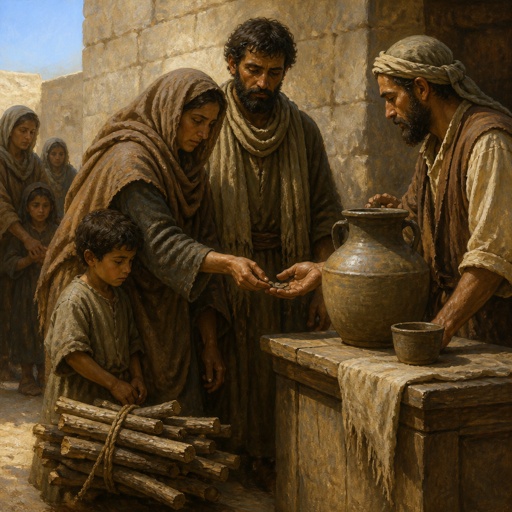
"We have drunken our water for money; our wood is sold unto us." - Lamentations 5:4

Lamentations 5:5 - "Our necks are under persecution: we labour, and have no rest."

Lamentations 5:11 - "They ravished the women in Zion, and the maids in the cities of Judah."

Lamentations 5:3 - "We are orphans and fatherless, our mothers are as widows."

Lamentations 5:2 - "Our inheritance is turned to strangers, our houses to aliens."

Lamentations 5:17 - "For this our heart is faint; for these things our eyes are dim."

Lamentations 5:7 - "Our fathers have sinned, and are not; and we have borne their iniquities."

Lamentations 5:15 - "The joy of our heart is ceased; our dance is turned into mourning."

Lamentations 5:6 - "We have given the hand to the Egyptians, and to the Assyrians, to be satisfied with bread."

Lamentations 5:18 - "Because of the mountain of Zion, which is desolate, the foxes walk upon it."

Lamentations 5:10 - "Our skin was black like an oven because of the terrible famine."

Lamentations 5:13 - "They took the young men to grind, and the children fell under the wood."

Lamentations 5:12 - "Princes are hanged up by their hand: the faces of elders were not honoured."

Lamentations 3:5 - "He hath builded against me, and compassed me with gall and travail."

Lamentations 5:14 - "The elders have ceased from the gate, the young men from their musick."

Lamentations 5:9 - "We gat our bread with the peril of our lives because of the sword of the wilderness."

Lamentations 5:19 – "You, Lord, reign forever; your throne endures from generation to generation."

Lamentations 5:19 - "Thou, O LORD, remainest for ever; thy throne from generation to generation."
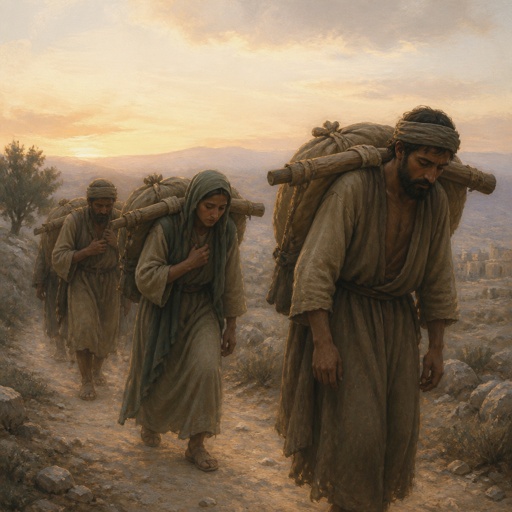
"Our necks are under persecution: we labour, and have no rest." - Lamentations 5:5

Lamentations 4:4 - "The tongue of the sucking child cleaveth to the roof of his mouth for thirst: the young children ask bread, and no man breaketh it unto them."

Lamentations 5:8 - "Servants have ruled over us: there is none that doth deliver us out of their hand."

Lamentations 5:1 - "Remember, O LORD, what is come upon us: consider, and behold our reproach."

Lamentations 5:22 - "But thou hast utterly rejected us; thou art very wroth against us."

Lamentations 5:20 - "Wherefore dost thou forget us for ever, and forsake us so long time?"

Lamentations 5:16 - "The crown is fallen from our head: woe unto us, that we have sinned!"

Lamentations 5:21 - "Turn thou us unto thee, O LORD, and we shall be turned; renew our days as of old."
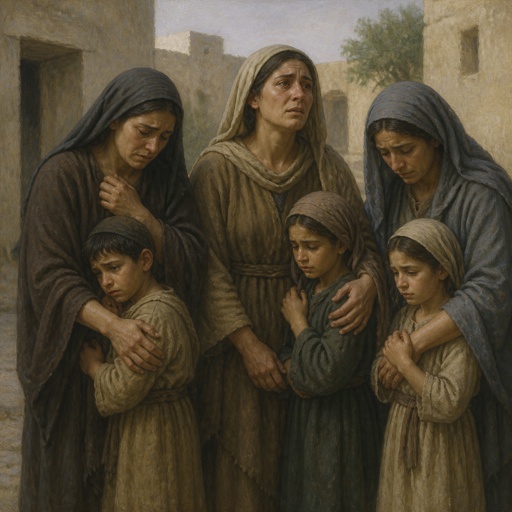
"We are orphans and fatherless, our mothers are as widows." - Lamentations 5:3