What does Lamentations 5:22 mean?
“But thou hast utterly rejected us; thou art very wroth against us.” — Lamentations 5:22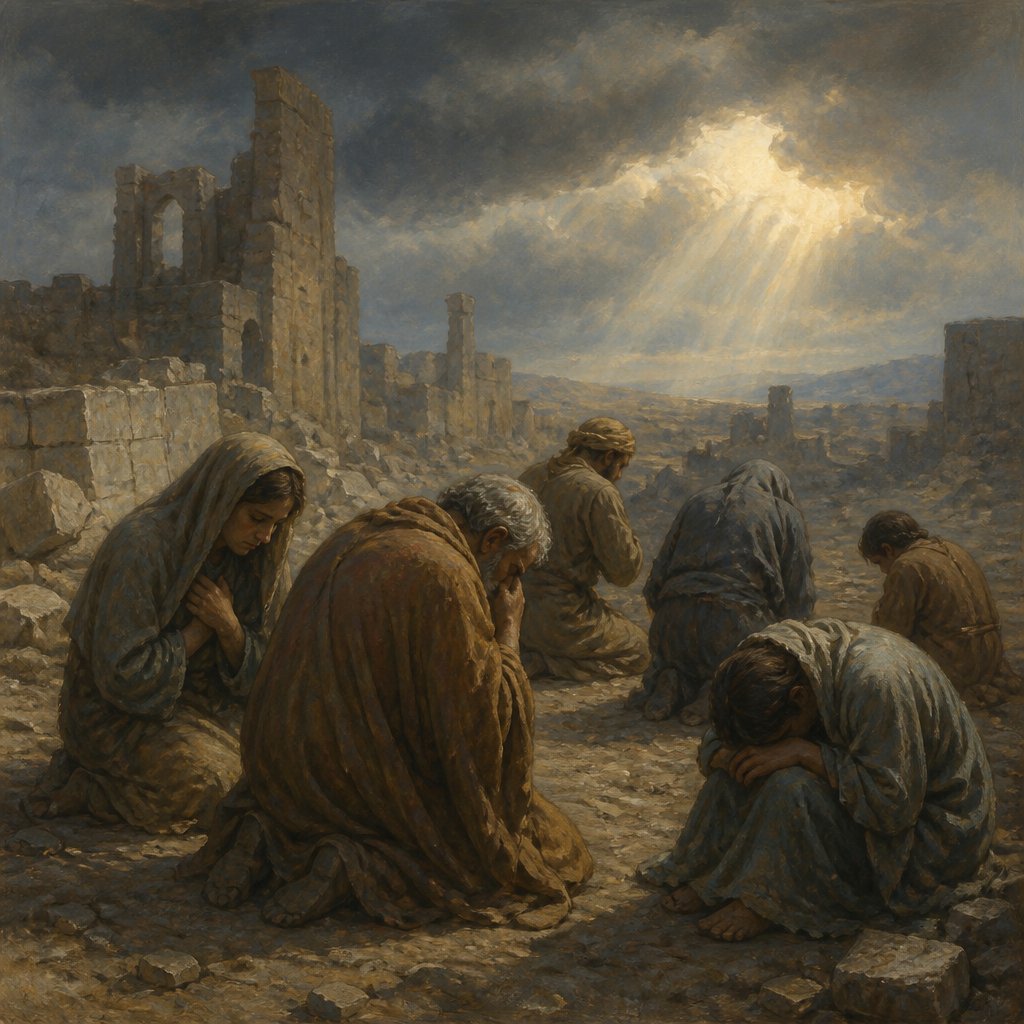
The verse Lamentations 5:22 from the King James Version of the Bible reads, "But thou hast utterly rejected us; thou art very wroth against us." This verse is the final line of the Book of Lamentations, which is a collection of poetic laments over the destruction of Jerusalem and the suffering of the people of Judah. Lamentations is traditionally attributed to the prophet Jeremiah, who witnessed the fall of Jerusalem in 586 BCE.
The verse Lamentations 5:22 encapsulates the deep sense of despair and hopelessness that pervades the entire book. It is a cry of desperation and anguish as the writer reflects on the devastation and the feeling of being rejected and abandoned by God. The imagery in the book is dark and vivid, depicting the city of Jerusalem as a widow, as a slave, and as a rejected lover.
The context of Lamentations is the destruction of Jerusalem and the exile of the Israelites to Babylon. The people of Judah were shattered by the loss of their city, their temple, and their way of life. The book reflects the pain and mourning of a community that has been uprooted and forced into exile. The suffering and despair are palpable, and the people cry out to God for mercy and restoration.
The themes in Lamentations 5:22 are rejection, anger, and the longing for reconciliation. The rejection and anger are directed towards God, who is perceived as having turned away from his people in their time of need. The writer feels the weight of God's wrath, and it becomes a symbol of the collective suffering of the community. At the same time, there is a yearning for reconciliation and restoration, as the people express their hope for a renewed relationship with God.
The symbolism in Lamentations 5:22 is powerful and multi-layered. The rejection and anger reflect the broken covenant between God and his people. The covenant, which was the foundation of the relationship between God and Israel, was based on the promise of protection and blessings in exchange for obedience and worship. The destruction of Jerusalem and the exile to Babylon are seen as a consequence of the people's disobedience and faithlessness. The rejection by God is a symbol of the rupture in this covenant relationship, and the people are left to grapple with the consequences of their actions.
The verse also symbolizes the deep emotional and spiritual anguish of the people. The feeling of being utterly rejected and cut off from God is a profound source of pain and despair. The writer's words convey a sense of hopelessness and resignation, as the people struggle to make sense of their suffering and find a way to reconcile with God.
In the broader context of the Bible, Lamentations 5:22 echoes the theme of divine judgment and the consequences of human sin. It reflects the tension between the justice and mercy of God, as the people experience the devastating effects of their actions. It also speaks to the enduring nature of God's love and the possibility of restoration, even in the face of rejection and anger.
In conclusion, Lamentations 5:22 is a poignant and powerful verse that captures the deep sense of despair and longing for reconciliation in the Book of Lamentations. It reflects the profound suffering and emotional turmoil of a community that has been shattered by the destruction of their city and the exile to Babylon. The verse is a symbol of the rupture in the covenant relationship between God and his people, and it speaks to the enduring themes of divine judgment, human sin, and the hope for restoration.
Get our apps


Artwork for Lamentations 5:22

Lamentations 5:22 - "But thou hast utterly rejected us; thou art very wroth against us."
"But thou hast utterly rejected us; thou art very wroth against us." - Lamentations 5:22

Lamentations 5:5 - "Our necks are under persecution: we labour, and have no rest."

Lamentations 3:22 - "¶ It is of the LORD'S mercies that we are not consumed, because his compassions fail not."

Lamentations 5:11 - "They ravished the women in Zion, and the maids in the cities of Judah."

Lamentations 5:3 - "We are orphans and fatherless, our mothers are as widows."

Lamentations 5:2 - "Our inheritance is turned to strangers, our houses to aliens."

Lamentations 5:17 - "For this our heart is faint; for these things our eyes are dim."

Lamentations 5:7 - "Our fathers have sinned, and are not; and we have borne their iniquities."

Lamentations 5:15 - "The joy of our heart is ceased; our dance is turned into mourning."

Lamentations 5:18 - "Because of the mountain of Zion, which is desolate, the foxes walk upon it."

Lamentations 5:6 - "We have given the hand to the Egyptians, and to the Assyrians, to be satisfied with bread."

Lamentations 5:10 - "Our skin was black like an oven because of the terrible famine."

Lamentations 5:13 - "They took the young men to grind, and the children fell under the wood."

Lamentations 5:12 - "Princes are hanged up by their hand: the faces of elders were not honoured."

Lamentations 3:5 - "He hath builded against me, and compassed me with gall and travail."

Lamentations 5:14 - "The elders have ceased from the gate, the young men from their musick."

Lamentations 5:9 - "We gat our bread with the peril of our lives because of the sword of the wilderness."

Lamentations 5:19 – "You, Lord, reign forever; your throne endures from generation to generation."

Lamentations 5:19 - "Thou, O LORD, remainest for ever; thy throne from generation to generation."
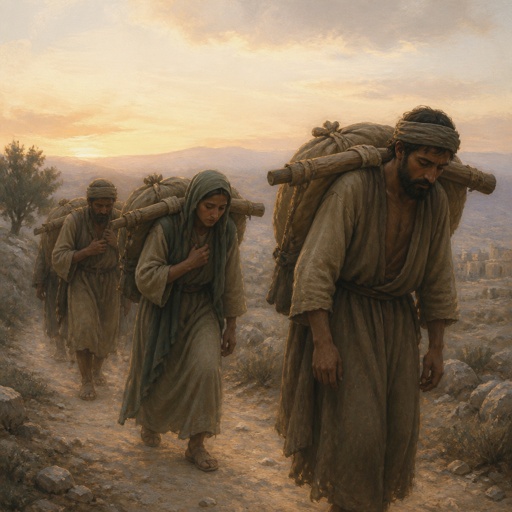
"Our necks are under persecution: we labour, and have no rest." - Lamentations 5:5

Lamentations 5:8 - "Servants have ruled over us: there is none that doth deliver us out of their hand."

Lamentations 5:1 - "Remember, O LORD, what is come upon us: consider, and behold our reproach."

Lamentations 4:5 - "They that did feed delicately are desolate in the streets: they that were brought up in scarlet embrace dunghills."

Lamentations 5:4 - "We have drunken our water for money; our wood is sold unto us."

Lamentations 5:20 - "Wherefore dost thou forget us for ever, and forsake us so long time?"

Lamentations 5:16 - "The crown is fallen from our head: woe unto us, that we have sinned!"

Lamentations 3:22-23 - "Because of the Lord's great love we are not consumed, for his compassions never fail. They are new every morning; great is your faithfulness."
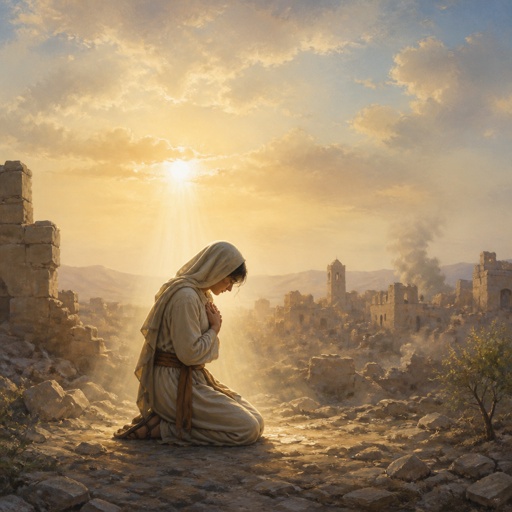
"¶ It is of the LORD'S mercies that we are not consumed, because his compassions fail not." - Lamentations 3:22
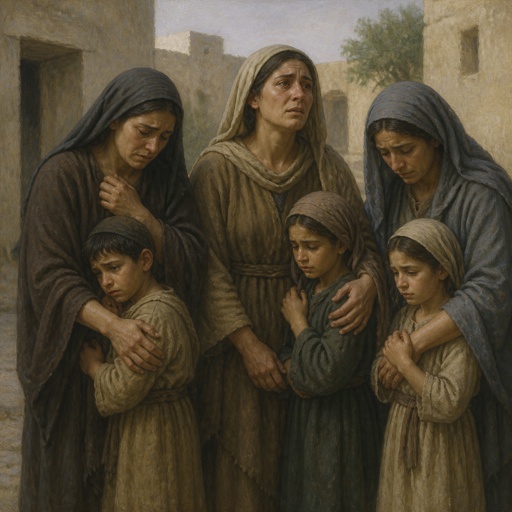
"We are orphans and fatherless, our mothers are as widows." - Lamentations 5:3