What does Leviticus 10:1 mean?
“And Nadab and Abihu, the sons of Aaron, took either of them his censer, and put fire therein, and put incense thereon, and offered strange fire before the LORD, which he commanded them not.” — Leviticus 10:1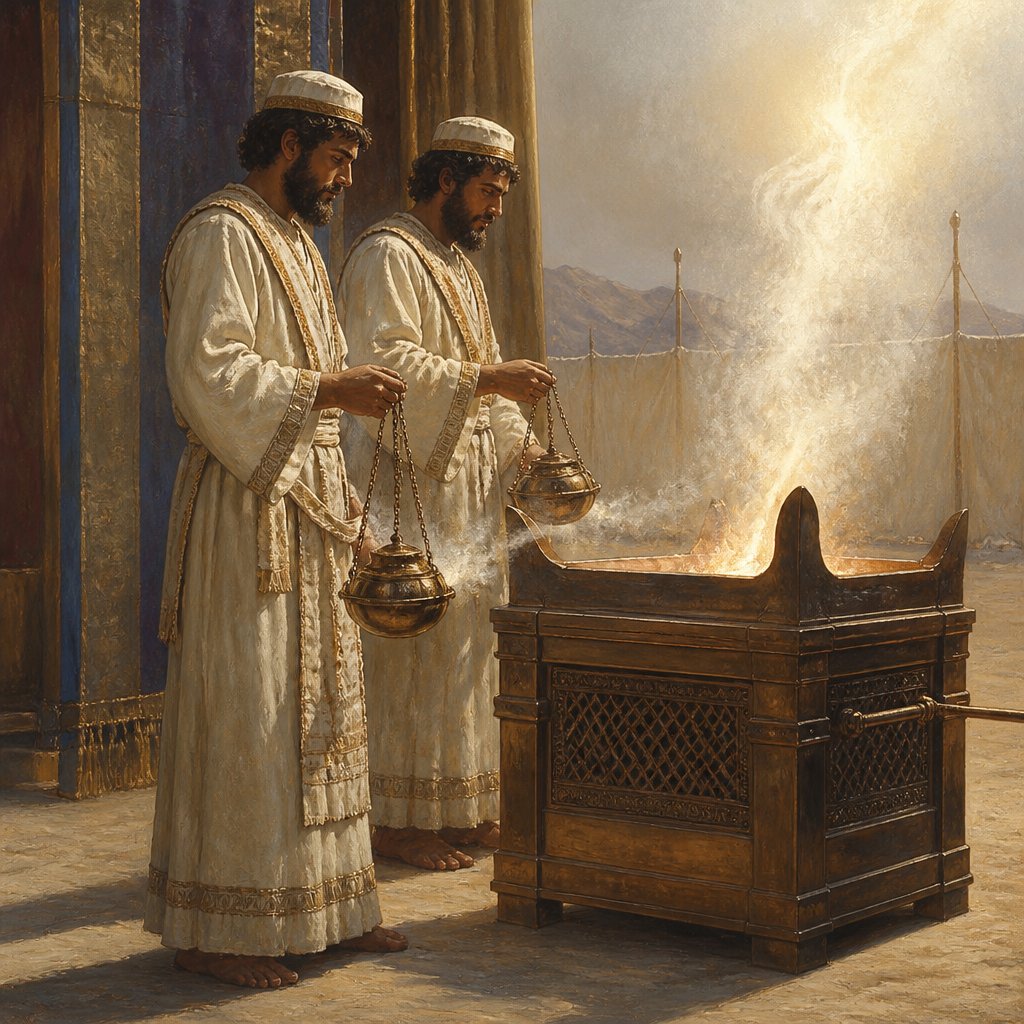
Leviticus 10:1 from the King James Version (KJV) of the Bible reads, "And Nadab and Abihu, the sons of Aaron, took either of them his censer, and put fire therein, and put incense thereon, and offered strange fire before the Lord, which he commanded them not." This verse is a pivotal moment in the book of Leviticus, as it marks a tragic event that teaches a profound lesson about the importance of obedience and reverence when approaching God.
The context of this verse is crucial to understanding its significance. Nadab and Abihu were the sons of Aaron, the high priest of Israel. As such, they held a position of great responsibility and privilege within the religious structure of the Israelites. In Leviticus 9, we see the ordination of Aaron and his sons as priests, and the consecration of the tabernacle as a place of worship. Following these events, the people of Israel witnessed the glory of the Lord as he revealed his presence in the form of fire, consuming the burnt offering on the altar. This was a powerful display of God's approval and acceptance of the sacrifices being offered.
However, in the very next chapter, we see Nadab and Abihu bringing their censers and offering "strange fire" before the Lord. The precise nature of this "strange fire" is not explicitly stated in the text, but it is clear that it was not authorized by God. The consequences of their actions are immediate and severe, as "there went out fire from the Lord, and devoured them, and they died before the Lord" (Leviticus 10:2). This sudden and shocking judgment demonstrates the holiness and righteousness of God, and the serious consequences of disobedience and irreverence.
The theme of obedience and reverence is central to this passage. The book of Leviticus is full of detailed instructions regarding the proper way to approach and worship God. The Israelites were given specific guidelines for their sacrifices, rituals, and purification rites, all designed to set them apart as a holy people and to maintain their relationship with God. Nadab and Abihu's disobedience was a direct violation of these guidelines, and it resulted in a tragic loss.
Another important theme in this passage is the holiness of God. The sudden and consuming fire that came from the Lord underscores his absolute purity and power. The Lord cannot be approached carelessly or presumptuously, and those who serve him must do so with the utmost respect and humility. This event serves as a stark reminder of the dangers of treating the things of God lightly, and the necessity of approaching him in a manner that is pleasing to him.
The symbolism in this verse is rich and multi-layered. The use of fire throughout the Bible is often associated with the presence and power of God. In this case, the fire that consumed Nadab and Abihu serves as a poignant reminder of God's holiness and the consequences of defying his commands. The censer, used for offering incense, was a symbol of worship and prayer, and the fire within it was to be taken directly from the altar of burnt offering (Leviticus 16:12). By using "strange fire" in their censers, Nadab and Abihu were disregarding the prescribed way of approaching God, and their actions carried serious implications.
In conclusion, Leviticus 10:1 is a sobering and instructive passage that provides valuable insights into the nature of God and the expectations he has for those who seek to worship him. The tragic fate of Nadab and Abihu serves as a warning to all who would approach God without the proper reverence and obedience. It is a reminder that God's holiness demands our respect and adherence to his commands. This passage challenges us to consider our own attitudes and actions in worship, and to approach God with the humility and reverence he deserves.
Get our apps


Artwork for Leviticus 10:1

Leviticus 10:1 - "And Nadab and Abihu, the sons of Aaron, took either of them his censer, and put fire therein, and put incense thereon, and offered strange fire before the LORD, which he commanded them not."
"And Nadab and Abihu, the sons of Aaron, took either of them his censer, and put fire therein, and put incense thereon, and offered strange fire before the LORD, which he commanded them not." - Leviticus 10:1

Leviticus 1:10 - "¶ And if his offering be of the flocks, namely, of the sheep, or of the goats, for a burnt sacrifice; he shall bring it a male without blemish."

Leviticus 10:10 - "And that ye may put difference between holy and unholy, and between unclean and clean;"

leviticus 16:7-10

Leviticus 10:20 - "And when Moses heard that, he was content."
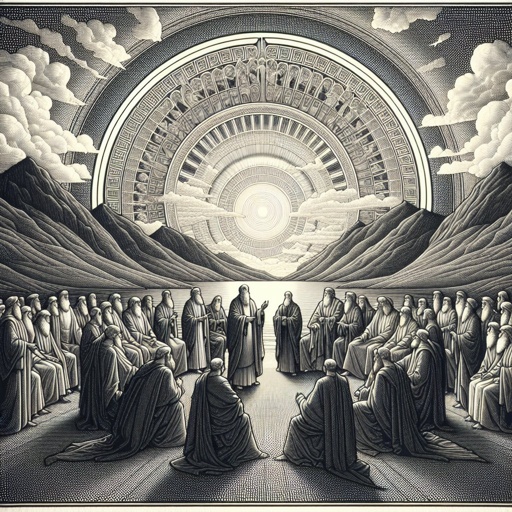
Leviticus 10:8 - "¶ And the LORD spake unto Aaron, saying,"

Leviticus 10:2 - "And there went out fire from the LORD, and devoured them, and they died before the LORD."

Leviticus 26:10 - "And ye shall eat old store, and bring forth the old because of the new."

Leviticus 8:10 - "And Moses took the anointing oil, and anointed the tabernacle and all that was therein, and sanctified them."

Leviticus 10:5 - "So they went near, and carried them in their coats out of the camp; as Moses had said."
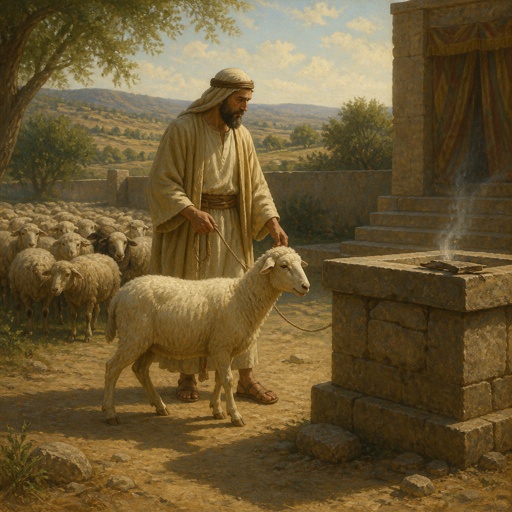
"¶ And if his offering be of the flocks, namely, of the sheep, or of the goats, for a burnt sacrifice; he shall bring it a male without blemish." - Leviticus 1:10
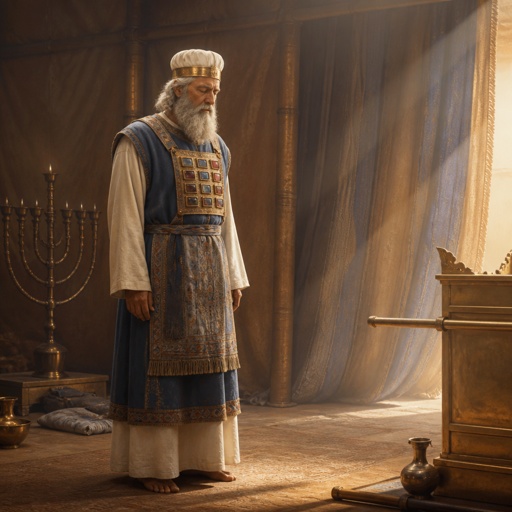
"¶ And the LORD spake unto Aaron, saying," - Leviticus 10:8
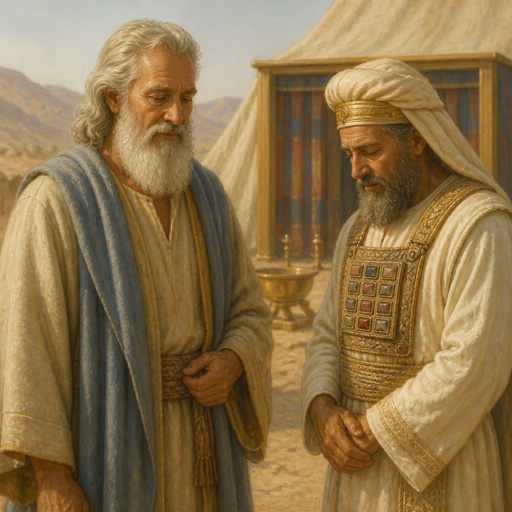
"And when Moses heard that, he was content." - Leviticus 10:20
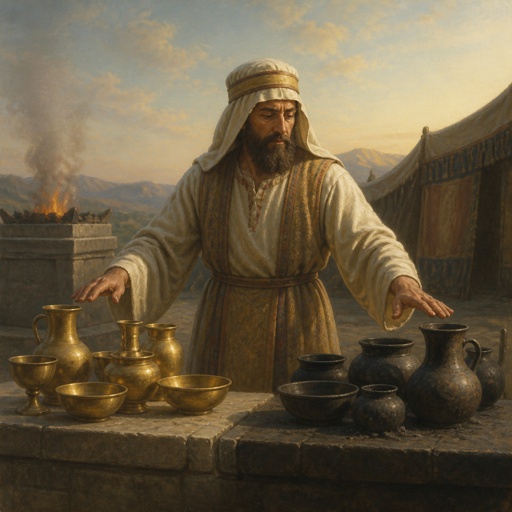
"And that ye may put difference between holy and unholy, and between unclean and clean;" - Leviticus 10:10

Leviticus 22:10 - "There shall no stranger eat of the holy thing: a sojourner of the priest, or an hired servant, shall not eat of the holy thing."

Leviticus 7:10 - "And every meat offering, mingled with oil, and dry, shall all the sons of Aaron have, one as much as another."

Leviticus 23:21

Leviticus 23:21

Leviticus 14:51

Leviticus 23:20

Leviticus 23:21

Leviticus 23:21

Leviticus 23:21

Leviticus 23:21

Leviticus 9:10 - "But the fat, and the kidneys, and the caul above the liver of the sin offering, he burnt upon the altar; as the LORD commanded Moses."

Leviticus 10:11 - "And that ye may teach the children of Israel all the statutes which the LORD hath spoken unto them by the hand of Moses."
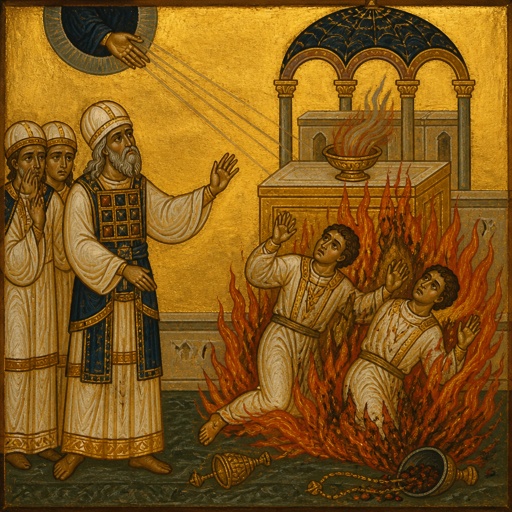
Leviticus 10 Aaron’s son burned alive for offering strange fire and incense.

Leviticus 3:10 - "And the two kidneys, and the fat that is upon them, which is by the flanks, and the caul above the liver, with the kidneys, it shall he take away."

Leviticus 10:18 - "Behold, the blood of it was not brought in within the holy place: ye should indeed have eaten it in the holy place, as I commanded."