What does Leviticus 10:20 mean?
“And when Moses heard that, he was content.” — Leviticus 10:20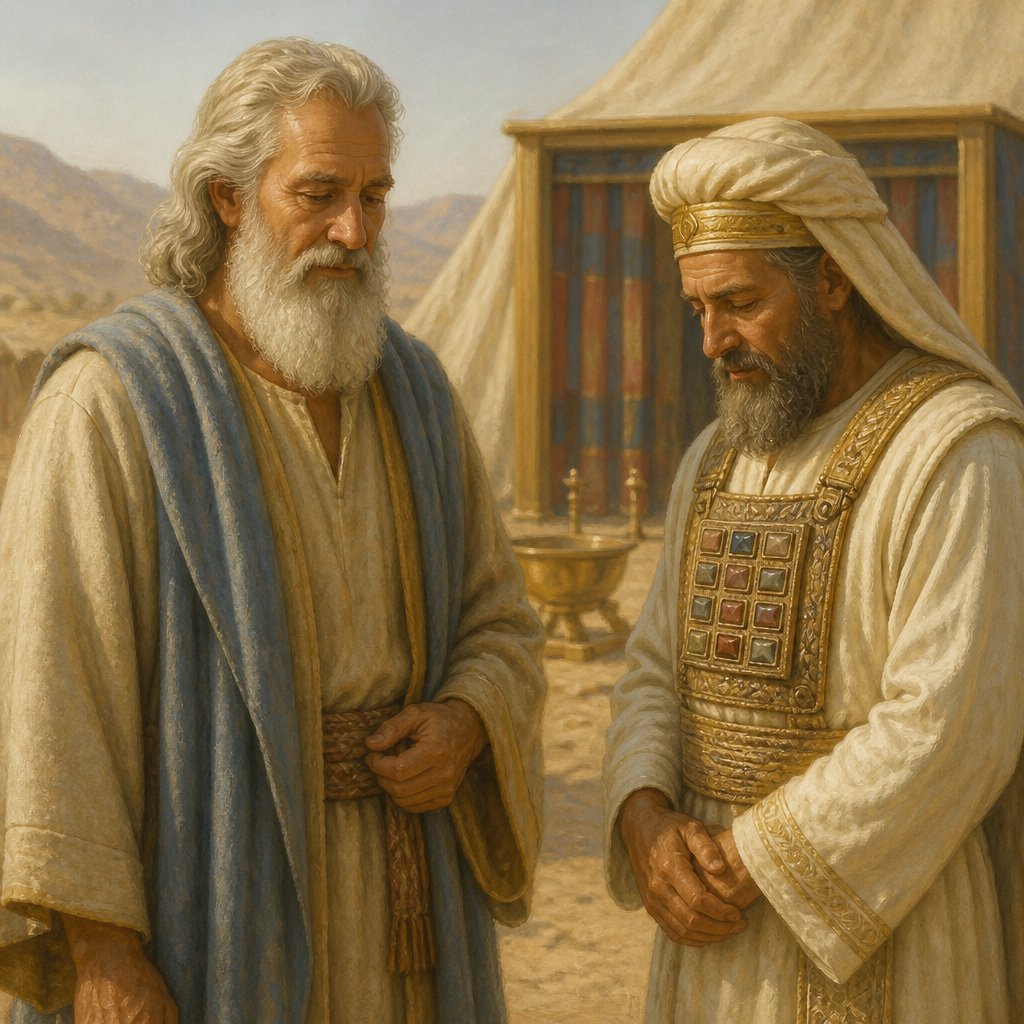
Leviticus 10:20 in the King James Version of the Bible states, "And when Moses heard that, he was content." This verse is found in the Old Testament and is part of a passage that describes the aftermath of a tragic event that occurred in the early days of the Israelites' journey through the wilderness. To fully understand the significance of this verse, it is important to examine the context and the themes at play in this particular passage of Leviticus.
In Leviticus 10, we find the account of the deaths of Aaron's sons, Nadab and Abihu, who were consumed by fire from the Lord as a result of offering unauthorized fire before Him. This tragic event serves as a warning to the priests and the people of Israel about the seriousness of approaching God in the wrong manner. It also highlights the holiness and the divine standards that the Israelites were expected to uphold in their worship and service to God.
As we delve deeper into the passage, we see Moses instructing Aaron, who is the high priest, and his remaining sons, Eleazar and Ithamar, on how to handle the aftermath of this event. This includes restrictions on their behavior and instructions regarding the handling of the sin offering and the grain offering that had been presented before the Lord. The specific verse, Leviticus 10:20, appears in the midst of these instructions as Moses expresses his contentment with the way the remaining offerings had been handled.
The theme of obedience and reverence towards God is a central part of this passage. The deaths of Nadab and Abihu serve as a sobering reminder of the consequences of failing to honor God's commands. It is a reflection of the high standards that God sets for His people and the importance of approaching Him with the utmost respect and humility. This theme is echoed throughout the book of Leviticus, as the Israelites are given detailed instructions on how to conduct their worship, ritual practices, and daily living in a manner that reflects holiness and devotion to God.
The broader context of Leviticus 10 is also important in understanding the significance of this verse. The chapter begins with the account of Nadab and Abihu's unauthorized fire, followed by their deaths and the subsequent instructions given to Aaron and his remaining sons. The chapter concludes with further regulations regarding the consumption of alcohol by priests during their time of service in the tabernacle. This entire passage emphasizes the importance of obedience, holiness, and purity in the service of God, as well as the severe consequences of failing to uphold these standards.
In examining the symbolism present in Leviticus 10:20, we can see that Moses' contentment after the handling of the offerings reflects a sense of order and proper reverence being restored in the aftermath of the tragic event. It signifies a return to the appropriate and prescribed manner of worship and service to God. This symbolism aligns with the broader themes of obedience and holiness that are prevalent throughout the passage, as well as the rest of the book of Leviticus.
In conclusion, Leviticus 10:20 holds significance within the broader context of the tragic events surrounding the deaths of Nadab and Abihu. It serves as a moment of restoration and contentment for Moses, reflecting the importance of upholding God's standards and approaching Him with reverence and obedience. This verse, along with the rest of the chapter, underscores the gravity of the Israelites' relationship with God and the crucial need for them to conduct themselves in a manner that reflects His holiness.
Get our apps


Artwork for Leviticus 10:20

Leviticus 10:20 - "And when Moses heard that, he was content."
"And when Moses heard that, he was content." - Leviticus 10:20

Leviticus 20:10-12 - "Leviticus 20:10-12 If a man commits adultery with another man's wife—with the wife of his neighbor—both the adulterer and the adulteress are to be put to death. If a man has sexual relations with his father’s wife, he has dishonored his father. Both the man and the woman are to be put to death; their blood will be on their own heads. If a man has sexual relations with his daughter-in-law, both of them are to be put to death. What they have done is a perversion; their blood will be on their own heads."

Leviticus 20:10 - "¶ And the man that committeth adultery with another man's wife, even he that committeth adultery with his neighbour's wife, the adulterer and the adulteress shall surely be put to death."

Leviticus 23:20

Leviticus 24:20-23

Leviticus 20:1 - "And the LORD spake unto Moses, saying,"

Leviticus 10:10 - "And that ye may put difference between holy and unholy, and between unclean and clean;"

Leviticus 20:22-26 simple picture

Picture to summarize Leviticus 20:22-26

leviticus 16:7-10

Leviticus 20:20 - "And if a man shall lie with his uncle's wife, he hath uncovered his uncle's nakedness: they shall bear their sin; they shall die childless."
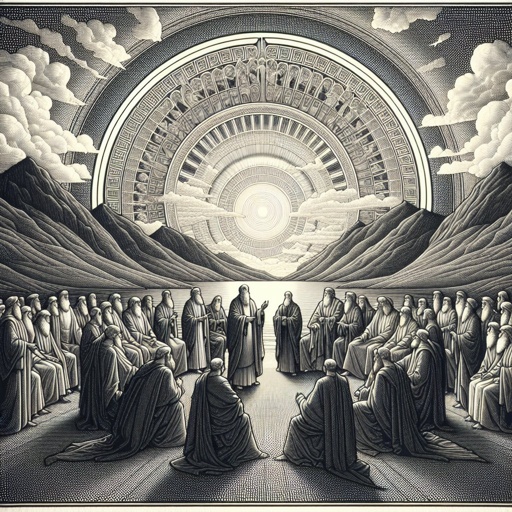
Leviticus 10:8 - "¶ And the LORD spake unto Aaron, saying,"

Leviticus 9:20 - "And they put the fat upon the breasts, and he burnt the fat upon the altar:"

Leviticus 8:20 - "And he cut the ram into pieces; and Moses burnt the head, and the pieces, and the fat."

Leviticus 22:20 - "But whatsoever hath a blemish, that shall ye not offer: for it shall not be acceptable for you."

Leviticus 20:7 - "¶ Sanctify yourselves therefore, and be ye holy: for I am the LORD your God."
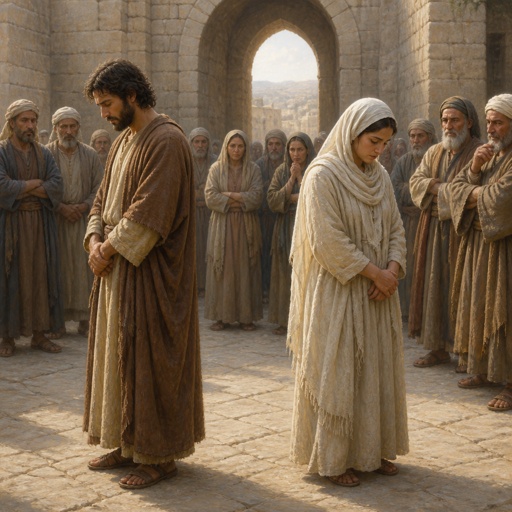
"¶ And the man that committeth adultery with another man's wife, even he that committeth adultery with his neighbour's wife, the adulterer and the adulteress shall surely be put to death." - Leviticus 20:10

Leviticus 18:20 - "Moreover thou shalt not lie carnally with thy neighbour's wife, to defile thyself with her."

Leviticus 11:20 - "All fowls that creep, going upon all four, shall be an abomination unto you."

Leviticus 21:20 - "Or crookbackt, or a dwarf, or that hath a blemish in his eye, or be scurvy, or scabbed, or hath his stones broken;"
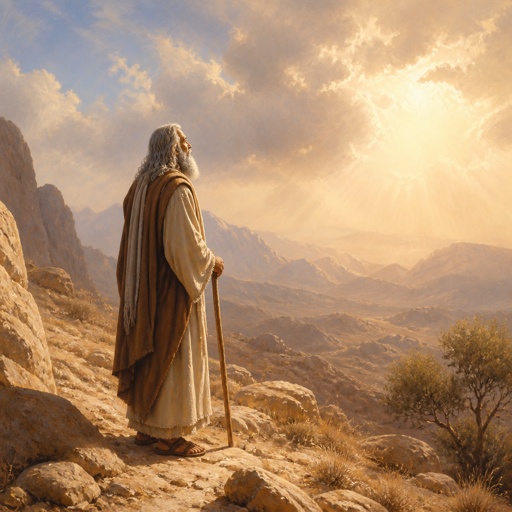
"And the LORD spake unto Moses, saying," - Leviticus 20:1

Leviticus 20:8 - "And ye shall keep my statutes, and do them: I am the LORD which sanctify you."

Leviticus 27:20 - "And if he will not redeem the field, or if he have sold the field to another man, it shall not be redeemed any more."

Genesis 20-10

Leviticus 10:2 - "And there went out fire from the LORD, and devoured them, and they died before the LORD."

Hebrews 10:20

Revelation 20:10
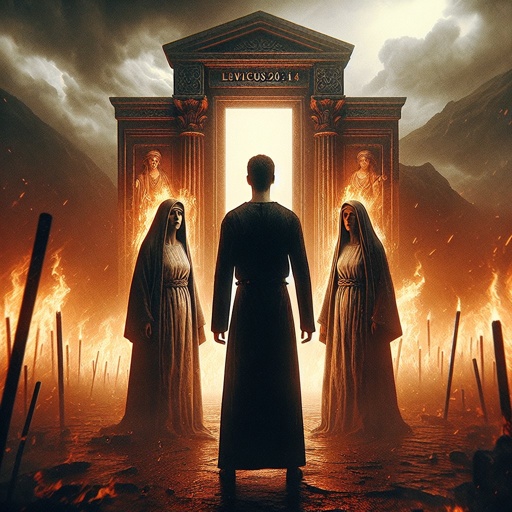
Leviticus 20:14 - "And if a man take a wife and her mother, it is wickedness: they shall be burnt with fire, both he and they; that there be no wickedness among you."

Leviticus 26:10 - "And ye shall eat old store, and bring forth the old because of the new."