What does Leviticus 11:22 mean?
“Even these of them ye may eat; the locust after his kind, and the bald locust after his kind, and the beetle after his kind, and the grasshopper after his kind.” — Leviticus 11:22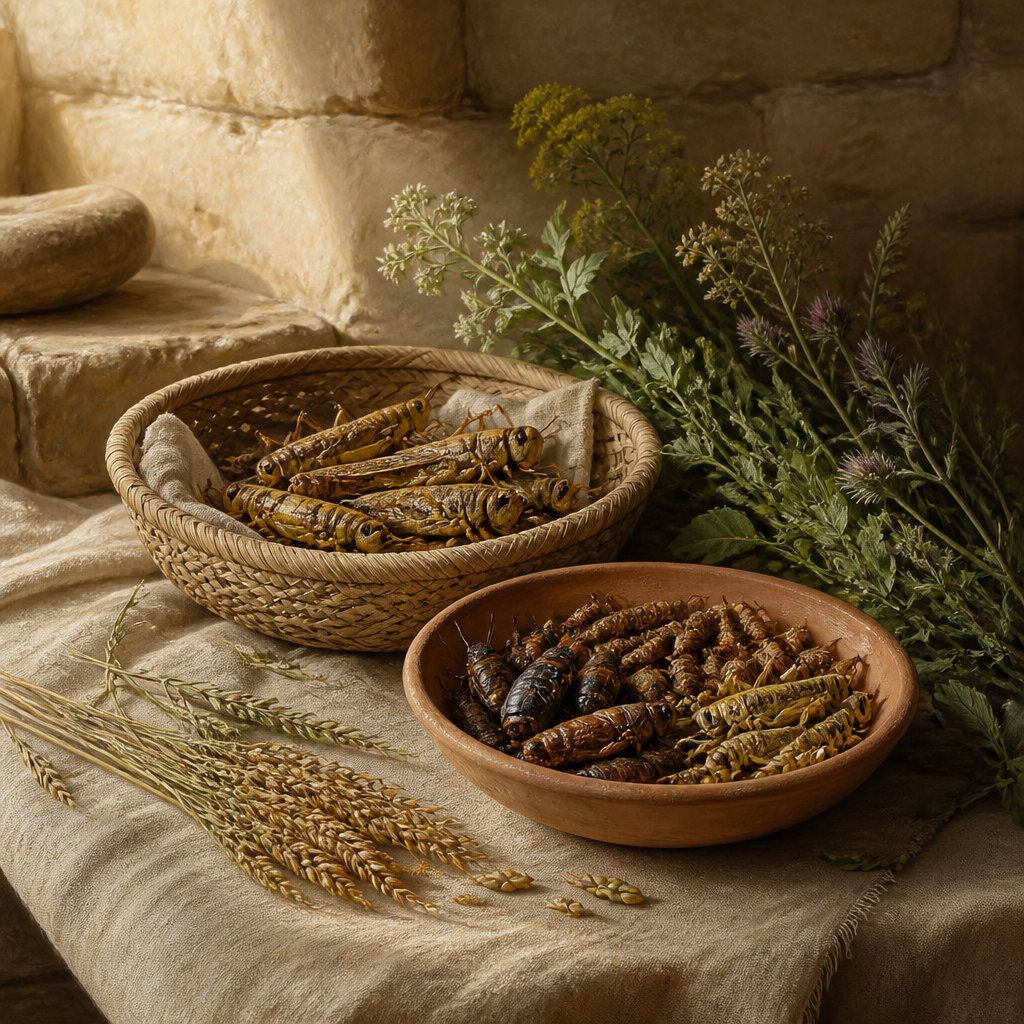
Leviticus 11:22 from the King James Version of the Bible states, "Even these of them ye may eat; the locust after his kind, and the bald locust after his kind, and the beetle after his kind, and the grasshopper after his kind." This verse is found in the Old Testament book of Leviticus, which is primarily concerned with the laws and regulations for the Israelites as they worship and live in a way that sets them apart as God's chosen people.
In this particular verse, the author of Leviticus is outlining which creatures are considered clean for consumption and which are unclean. The verse permits the eating of certain types of insects, specifically the locust, bald locust, beetle, and grasshopper, as long as they are of their own kind. This distinction is important for the Israelites as they follow the dietary laws set forth by God in order to remain ceremonially clean and in right standing with Him.
One of the key themes in Leviticus 11:22 is obedience to God's commands. Throughout the book of Leviticus, the Israelites are instructed to adhere to various regulations regarding their conduct, dietary practices, and worship. By complying with these laws, the Israelites demonstrate their faithfulness and commitment to God, trusting in His wisdom and guidance for their lives. This verse serves as a reminder of the importance of following God's instructions, even in matters as seemingly trivial as what types of insects are acceptable for consumption.
Additionally, Leviticus 11:22 emphasizes the concept of cleanliness and purity. In the context of the Israelite culture, adhering to dietary restrictions was not just a matter of personal preference, but a way of maintaining ritual purity before God. By abstaining from unclean foods and partaking only of those that were deemed acceptable, the Israelites showed their dedication to holiness and separation from the practices of surrounding cultures. This verse underscores the idea that what one consumes has a spiritual significance and can affect one's relationship with God.
Symbolism is also present in Leviticus 11:22, as the different types of insects mentioned in the verse can be interpreted as representing various aspects of the natural world. The locust, for example, is often associated with destruction and devastation, as swarms of locusts can devour crops and cause widespread famine. In contrast, the grasshopper is seen as a symbol of resilience and adaptability, able to thrive in diverse environments. By permitting the consumption of these creatures, the verse may be conveying the message that God's provision extends to all aspects of creation, including the seemingly insignificant or overlooked creatures. It serves as a reminder that God's care and provision are present in the smallest details of the natural world.
Finally, Leviticus 11:22 can also be viewed within the broader context of the Bible as a whole, particularly in relation to the themes of God's sovereignty and provision. Throughout scripture, God is depicted as the ultimate authority over all creation, overseeing its development and sustaining its existence. In allowing certain insects to be consumed, God demonstrates His authority over the entire natural world, declaring what is permissible for His people to eat. This reaffirms the idea that God's will extends to every aspect of life, including dietary practices, and that His provision is abundant and sufficient for all the needs of His people.
In conclusion, Leviticus 11:22 from the King James Version of the Bible carries profound significance within its larger context of the book of Leviticus and the broader themes of obedience, purity, provision, and God's sovereignty. This verse serves as a reminder to the Israelites and believers today that following God's commands and trusting in His provision are essential aspects of living a faithful and devoted life before Him. It also reflects the idea that God's care and authority extend to every aspect of creation, from the smallest insects to the grandeur of the natural world.
Get our apps


Artwork for Leviticus 11:22
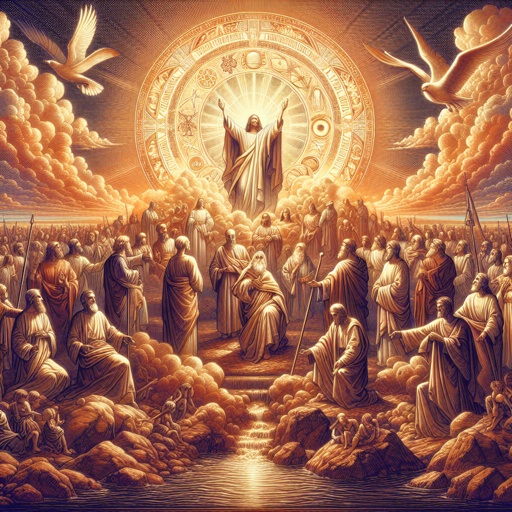
Leviticus 11:22

Leviticus 11:22 - "Even these of them ye may eat; the locust after his kind, and the bald locust after his kind, and the beetle after his kind, and the grasshopper after his kind."
"Even these of them ye may eat; the locust after his kind, and the bald locust after his kind, and the beetle after his kind, and the grasshopper after his kind." - Leviticus 11:22

Leviticus 22:11 - "But if the priest buy any soul with his money, he shall eat of it, and he that is born in his house: they shall eat of his meat."

Leviticus 23:15-22

Leviticus 23:17-22

Leviticus 22:17 - "¶ And the LORD spake unto Moses, saying,"

Leviticus 7:22 - "¶ And the LORD spake unto Moses, saying,"

Leviticus 22:1 - "And the LORD spake unto Moses, saying,"

Leviticus 22:26 - "¶ And the LORD spake unto Moses, saying,"

Leviticus 18:22 - "Thou shalt not lie with mankind, as with womankind: it is abomination."

Leviticus 20:22-26 simple picture

Picture to summarize Leviticus 20:22-26
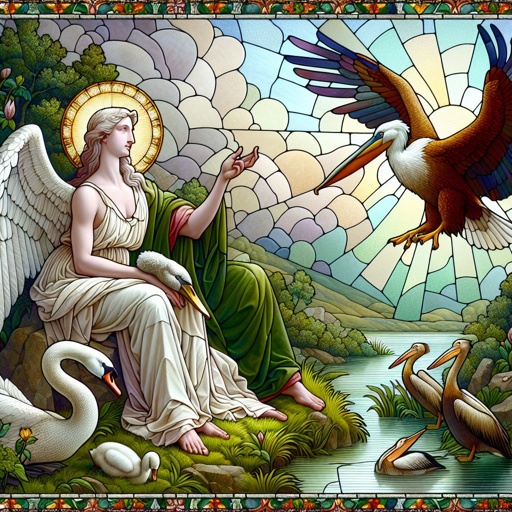
Leviticus 11:18 - "And the swan, and the pelican, and the gier eagle,"
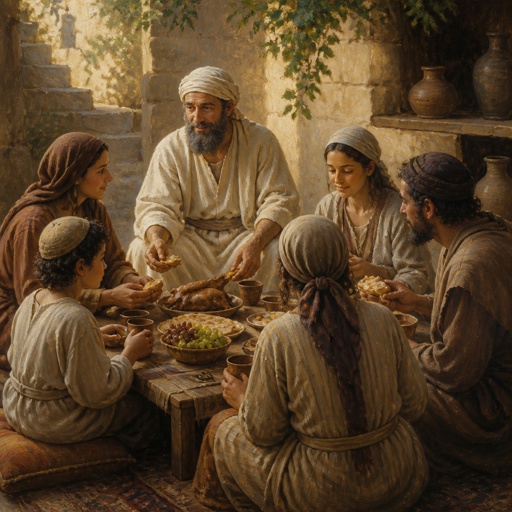
"But if the priest buy any soul with his money, he shall eat of it, and he that is born in his house: they shall eat of his meat." - Leviticus 22:11
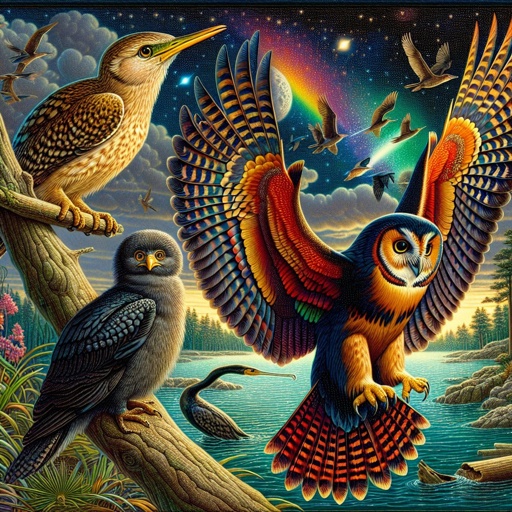
Leviticus 11:17 - "And the little owl, and the cormorant, and the great owl,"

Leviticus 11:14 - "And the vulture, and the kite after his kind;"
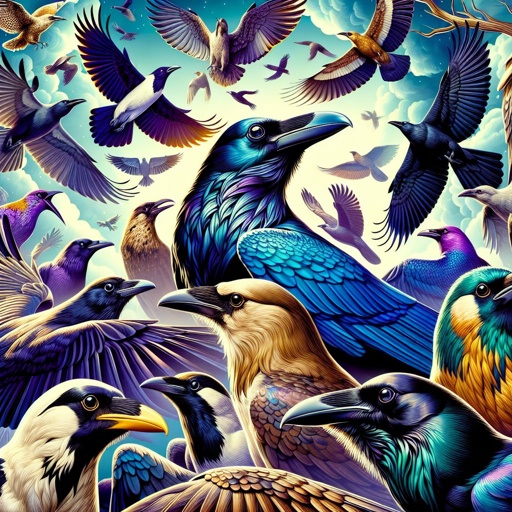
Leviticus 11:15 - "Every raven after his kind;"

James 2:2-4

Leviticus 22:20 - "But whatsoever hath a blemish, that shall ye not offer: for it shall not be acceptable for you."

Leviticus 11:30 - "And the ferret, and the chameleon, and the lizard, and the snail, and the mole."

Leviticus 13:22 - "And if it spread much abroad in the skin, then the priest shall pronounce him unclean: it is a plague."

Leviticus 21:22 - "He shall eat the bread of his God, both of the most holy, and of the holy."

Leviticus 22:33 - "That brought you out of the land of Egypt, to be your God: I am the LORD."

Leviticus 22:29 - "And when ye will offer a sacrifice of thanksgiving unto the LORD, offer it at your own will."

Leviticus 22:15 - "And they shall not profane the holy things of the children of Israel, which they offer unto the LORD;"

Leviticus 22:22 - "Blind, or broken, or maimed, or having a wen, or scurvy, or scabbed, ye shall not offer these unto the LORD, nor make an offering by fire of them upon the altar unto the LORD."

Leviticus 22:19 - "Ye shall offer at your own will a male without blemish, of the beeves, of the sheep, or of the goats."

Leviticus 11:19 - "And the stork, the heron after her kind, and the lapwing, and the bat."

Leviticus 22:31 - "Therefore shall ye keep my commandments, and do them: I am the LORD."