What does Leviticus 11:23 mean?
“But all other flying creeping things, which have four feet, shall be an abomination unto you.” — Leviticus 11:23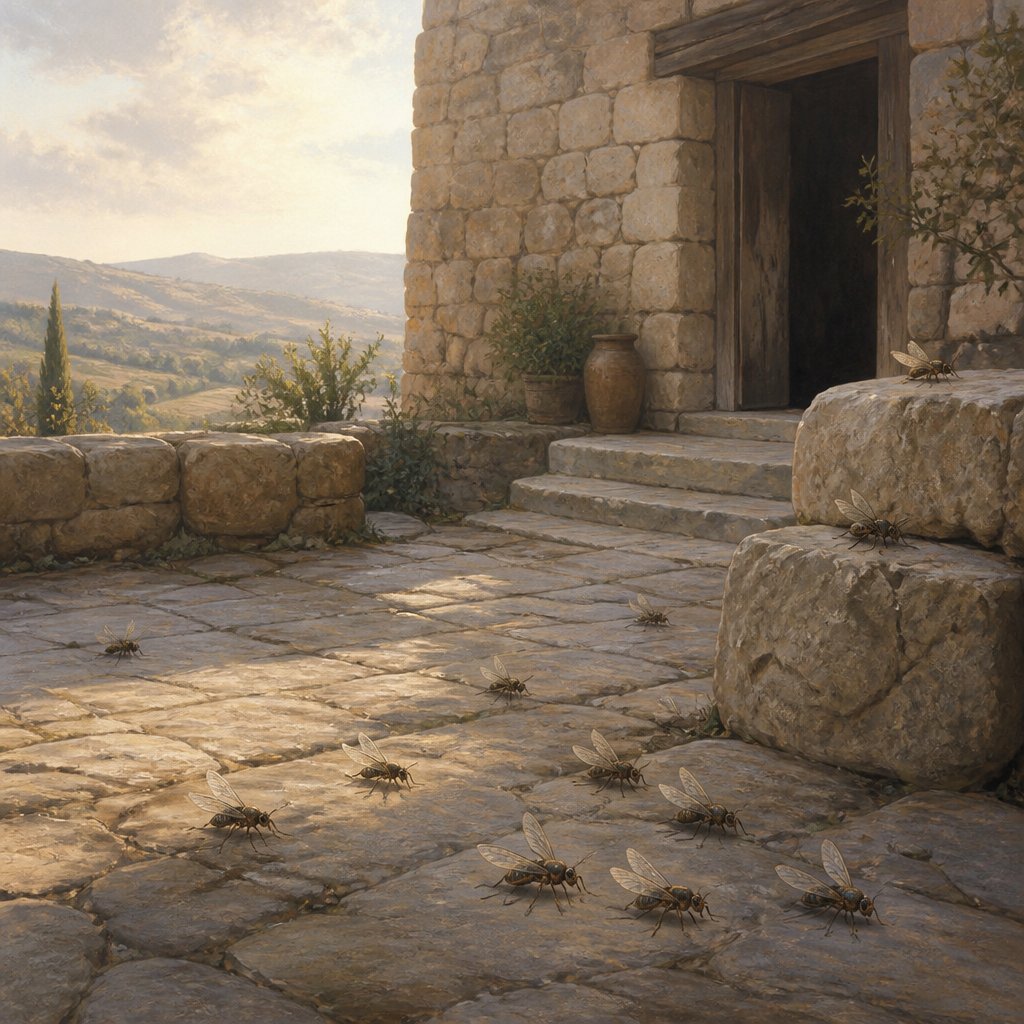
Leviticus 11:23 in the King James Version (KJV) of the Bible reads, "But all other flying creeping things, which have four feet, shall be an abomination unto you." This verse is from the book of Leviticus, which is the third book of the Old Testament and serves as a guide for the Israelites on how to live holy and righteous lives according to the laws and commandments of God.
The context of Leviticus 11:23 is part of a larger passage in which God outlines which animals are considered clean and unclean for the Israelites to eat. In this specific verse, God is instructing the Israelites that any flying creeping things with four feet are to be considered an abomination and are therefore unclean for consumption.
One theme that can be derived from Leviticus 11:23 is the importance of obedience to God's laws. Throughout the book of Leviticus, God sets forth a series of rules and regulations for the Israelites to follow in order to maintain their holiness and purity before Him. By following these dietary restrictions and refraining from consuming certain unclean animals, the Israelites were demonstrating their obedience to God and their commitment to living according to His commands.
Another theme that can be drawn from this verse is the concept of purity and holiness. In Leviticus, God is concerned with the physical and spiritual cleanliness of His people. By abstaining from the consumption of certain unclean animals, the Israelites were demonstrating their dedication to maintaining their purity and holiness before God. This concept of purity and holiness is central to the message of Leviticus and serves as a reminder to the Israelites that they are set apart as God's chosen people and should conduct themselves accordingly.
The symbolism in Leviticus 11:23 lies in the idea of separation and distinction. God's designation of certain animals as unclean and therefore off-limits for consumption serves to set apart the Israelites from the surrounding pagan cultures. By adhering to these dietary restrictions, the Israelites were symbolically demonstrating their separation from the practices and customs of the nations around them. This symbolic act of separation reinforced the idea that the Israelites were a distinct and unique people chosen by God to live in accordance with His will.
Furthermore, the symbolism of unclean animals in Leviticus 11:23 can be seen as a representation of impurity and sin. Throughout the Bible, the concept of cleanliness is often associated with moral and spiritual purity. By abstaining from the consumption of unclean animals, the Israelites were symbolically rejecting impurity and sin in their lives. This act of dietary restriction served as a tangible reminder of the Israelites' commitment to living pure and holy lives before God.
In conclusion, Leviticus 11:23 conveys important themes of obedience, purity, and separation, while also using symbolism to emphasize the significance of these principles in the lives of the Israelites. Through the dietary restrictions outlined in this verse, God was instructing His people to demonstrate their obedience, maintain their purity, and symbolically separate themselves from the practices of the surrounding cultures. As a result, Leviticus 11:23 serves as a reminder to the Israelites of their unique and chosen status as God's people and the importance of living in accordance with His laws.
Get our apps


Artwork for Leviticus 11:23

Leviticus 11:23 - "But all other flying creeping things, which have four feet, shall be an abomination unto you."
"But all other flying creeping things, which have four feet, shall be an abomination unto you." - Leviticus 11:23

Leviticus 23:11 - "And he shall wave the sheaf before the LORD, to be accepted for you: on the morrow after the sabbath the priest shall wave it."

Leviticus 23:23 - "¶ And the LORD spake unto Moses, saying,"

Leviticus 23:21

Leviticus 23:21

Leviticus 23:21

Leviticus 23:21

Leviticus 23:21

Leviticus 23:20

Leviticus 23:21

Leviticus 23:15-22

Leviticus 23:17-22

Leviticus 24:20-23
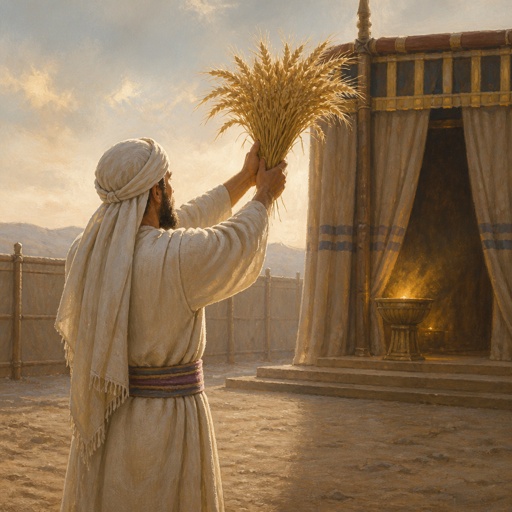
"And he shall wave the sheaf before the LORD, to be accepted for you: on the morrow after the sabbath the priest shall wave it." - Leviticus 23:11

"¶ And the LORD spake unto Moses, saying," - Leviticus 23:23

Leviticus 23:1 - "And the LORD spake unto Moses, saying,"

Leviticus 23:26 - "¶ And the LORD spake unto Moses, saying,"

Leviticus 23:33 - "¶ And the LORD spake unto Moses, saying,"
Leviticus 23:9 - "¶ And the LORD spake unto Moses, saying,"
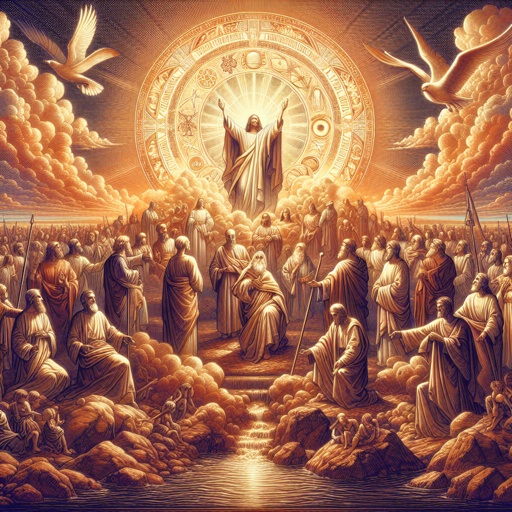
Leviticus 11:22

Leviticus 23:5 - "In the fourteenth day of the first month at even is the LORD'S passover."

Leviticus 23:44 - "And Moses declared unto the children of Israel the feasts of the LORD."

Leviticus 26:23 - "And if ye will not be reformed by me by these things, but will walk contrary unto me;"
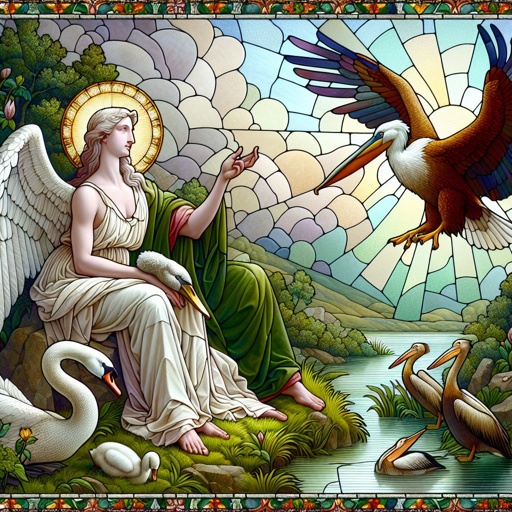
Leviticus 11:18 - "And the swan, and the pelican, and the gier eagle,"

the jewish holidays mentioned in leviticus 23:1 until 23:40 combined in one picture,

Leviticus 6:23 - "For every meat offering for the priest shall be wholly burnt: it shall not be eaten."
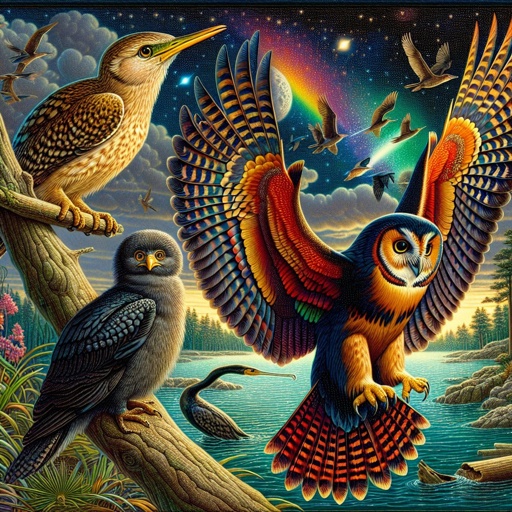
Leviticus 11:17 - "And the little owl, and the cormorant, and the great owl,"

Leviticus 11:14 - "And the vulture, and the kite after his kind;"
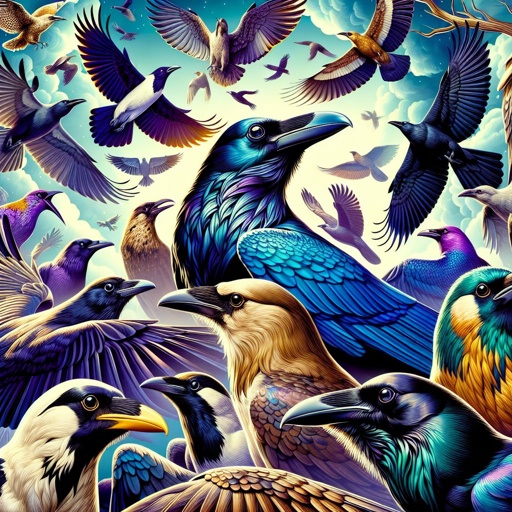
Leviticus 11:15 - "Every raven after his kind;"